
Senators raise devolution concerns over Treasury control of county bank accounts
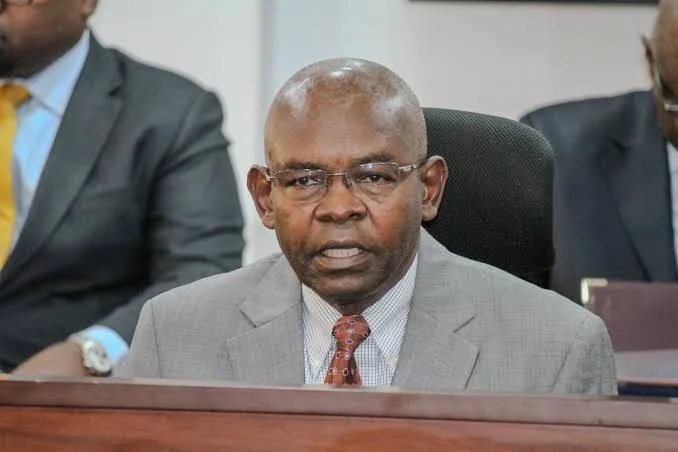
Senators have pushed back against proposed changes to the Public Finance Management (PFM) Act that would compel county governments to secure written approval from the National Treasury before opening or closing bank accounts, warning that the move could weaken financial independence under devolution.
The amendments would also move county government funds into a Treasury Single Account (TSA) held at the Central Bank of Kenya (CBK), according to Capital FM Business.
CBK backs the changes
CBK Governor Kamau Thugge told the Senate Standing Committee on Finance and Budget on Tuesday that the central bank supports the proposals. He argued that keeping county deposits in one place would give the National Treasury a clearer picture of public funds available at any given time.
According to Thugge, the arrangement would cut down the number of commercial bank accounts held by counties and help avoid situations in which the government borrows money while public funds sit idle in separate accounts. The CBK says this could strengthen oversight and lower government borrowing costs.
"We fully support this proposed amendment," Thugge told the committee.
The governor went further, suggesting that each county be limited to a single imprest account with a commercial bank, while its main operational and project accounts are held at the CBK.
Questions over constitutional independence
Senators, however, questioned whether handing the National Treasury a say over county banking would undermine the constitutional separation between the two levels of government, or add layers of bureaucracy to the management of public money.
Kakamega Senator Boni Khalwale asked whether requiring counties to seek national government approval to open bank accounts would conflict with the constitutional principle that the two governments are independent. He noted that managing public funds is a core function of any government.
Committee Vice Chairperson Tabitha Mutinda raised concerns about potential delays in accessing and releasing funds, pointing to difficulties counties already face with requisitions through the Office of the Controller of Budget.
She also asked how the new approval rules would apply to semi-autonomous county bodies, including municipalities, water companies and public hospitals that manage Facility Improvement Funds.
Thugge: a one-off requirement
Responding to the concerns, Thugge said the approval process would largely be a one-time exercise rather than an extra hurdle for routine county transactions.
He explained that counties would be able to merge their existing commercial accounts into a single approved imprest account. Fresh Treasury approval would only be needed if a county sought to open additional accounts.
On worries about access to CBK services in counties without a physical central bank branch, such as Wajir, the CBK said roughly 99 percent of transactions involving county governments are already carried out digitally. Thugge said electronic channels allow all 47 counties to open accounts, make payments and manage deposits remotely.
Call for technology over restrictions
Committee Chairman Ali Roba urged the central bank to focus on technological solutions to improve accountability and efficiency in county finances, rather than leaning mainly on new legal restrictions.
The committee is expected to invite the National Treasury to give its position on the proposed amendments in later sittings.
The debate reflects a wider tension over how to tighten oversight of public finances while safeguarding the financial independence that counties enjoy under Kenya's devolved system of government.
This story was prepared by the Hamasta Newsdesk with AI assistance, based on reporting by Capital FM Business. Read the original report. Photo: Capital FM Business.



Know what people say about you.
Media monitoring, audience insights and strategic communication for your brand.


More in Politics
See all
Nairobi County Uses Bank Overdraft to Clear Staff Salaries, Controller of Budget Says
Kindiki receives charter for nationwide war on illicit alcohol and drugs
Sifuna's Linda Mwananchi Movement unveils two-week US diaspora tour
Ruto to give State of the Nation Address to Parliament this afternoon

KDF opens nationwide recruitment, warns bribery will lead to arrest and prosecution
.jpeg)
Global Community Remarks
0