
South Africa orders Musk's Starlink to stop unauthorised operations
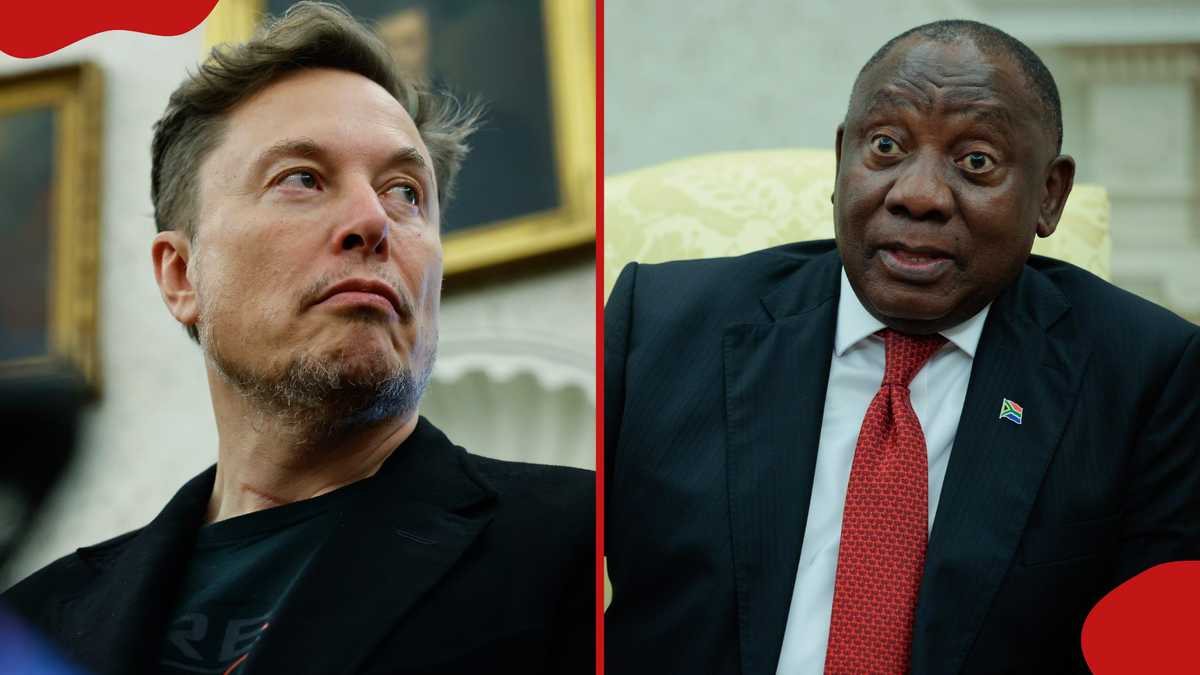
South Africa's telecommunications regulator has ordered SpaceX to stop all unauthorised Starlink operations in the country. This is the latest step in a licensing dispute between Pretoria and Elon Musk's satellite internet business.
According to Tuko, the Independent Communications Authority of South Africa (ICASA) served SpaceX with a formal notice of non-compliance dated October 14, 2026. The notice directs the company to end its unauthorised provision of services within the republic.
Minister confirms action in Parliament
Communications Minister Solly Malatsi disclosed the notice in a parliamentary reply to Umkhonto Wesizwe MP Adil Nchabeleng. The MP had asked what the government was doing about the illegal use of Starlink in South Africa.
Malatsi said ICASA set up a dedicated task team, which carried out investigations and inspections before the order was issued to SpaceX.
The regulator has warned that if the unauthorised service continues, it may file a formal complaint with the International Telecommunication Union to seek international intervention. ICASA has also said further administrative or legal action is still being considered and that enforcement processes are ongoing.
Ownership rules at the heart of the dispute
Starlink has no South African licence because of ownership requirements. Under the country's Electronic Communications Act, telecommunications licence holders must be at least 30% owned by historically disadvantaged groups. The rule is meant to address the economic legacy of apartheid.
Tuko reports that SpaceX has refused to cut its local equity stake to meet the threshold and has never applied for a licence. The company has described the requirement as racially discriminatory, a view South African officials reject.
Musk has put forward alternatives. These include a pledge of about R500 million to connect 5,000 rural schools and a R2.5 billion investment package built around local partnerships for fibre connectivity, land leasing and maintenance.
In December 2025, South Africa adjusted its policy to let foreign satellite operators meet empowerment targets through Equity Equivalent Investment Programmes. However, Starlink has still not received regulatory approval.
Thousands using kits from neighbouring countries
Despite the lack of a licence, an estimated 14,000 South Africans were using Starlink as of early 2026. They bought kits registered in neighbouring countries such as Lesotho and Eswatini, where the service is licensed, and used them at home through roaming arrangements.
ICASA confirmed in a Government Gazette that this practice is illegal.
Starlink has gradually tightened its roaming rules. It first cut continuous-use periods from 60 days to 30 days and then to seven days. It also introduced identity and country-of-origin checks, but the usage persisted.
Political tensions
The standoff has also turned political. During a visit to Silicon Valley in November 2026, President Cyril Ramaphosa urged Musk to remember his South African roots and contribute to the country's development. He insisted that foreign firms must follow local empowerment laws.
Ramaphosa also suggested that Musk did not fully grasp the impact of apartheid. He noted that the apartheid government spent 12 rand on Musk's education for every one rand it spent on his own.
Musk has framed the impasse as a personal matter. He has claimed that Starlink is blocked because he is "not Black", according to Tuko.
Starlink in Kenya
In Kenya, where Starlink is available, the company has launched a Residential Lite package at KSh 4,000 per month. It is a cheaper option than its standard residential plan, which costs KSh 6,500 monthly.
The Lite plan advertises download speeds of up to 200 Mbps for activities such as streaming, gaming and remote work. Starlink cautions that these speeds are based on 90th-percentile performance and are not guaranteed. It says network congestion may affect connectivity at peak times.
This story was prepared by the Hamasta Newsdesk with AI assistance, based on reporting by Tuko. Read the original report. Photo: Tuko.

Tell your story on screen.
Commercials, documentaries, interviews and social video, from script to final cut.





More in Tech
See all
Itumbi says TikTok to review removal of 750,000 Kenyan videos within 10 days
KeNIC opens auction for premium .ke web addresses priced up to Sh1 million
Ramaphosa courts Silicon Valley tech giants on week-long AI mission to California

Government Moves to Digitise Marriage, Divorce and Adoption Services Nationwide

California sues OpenAI over AI model's cyberattack on Hugging Face
Global Community Remarks
0