
Sudan war trauma fuels surge in drug addiction among young people
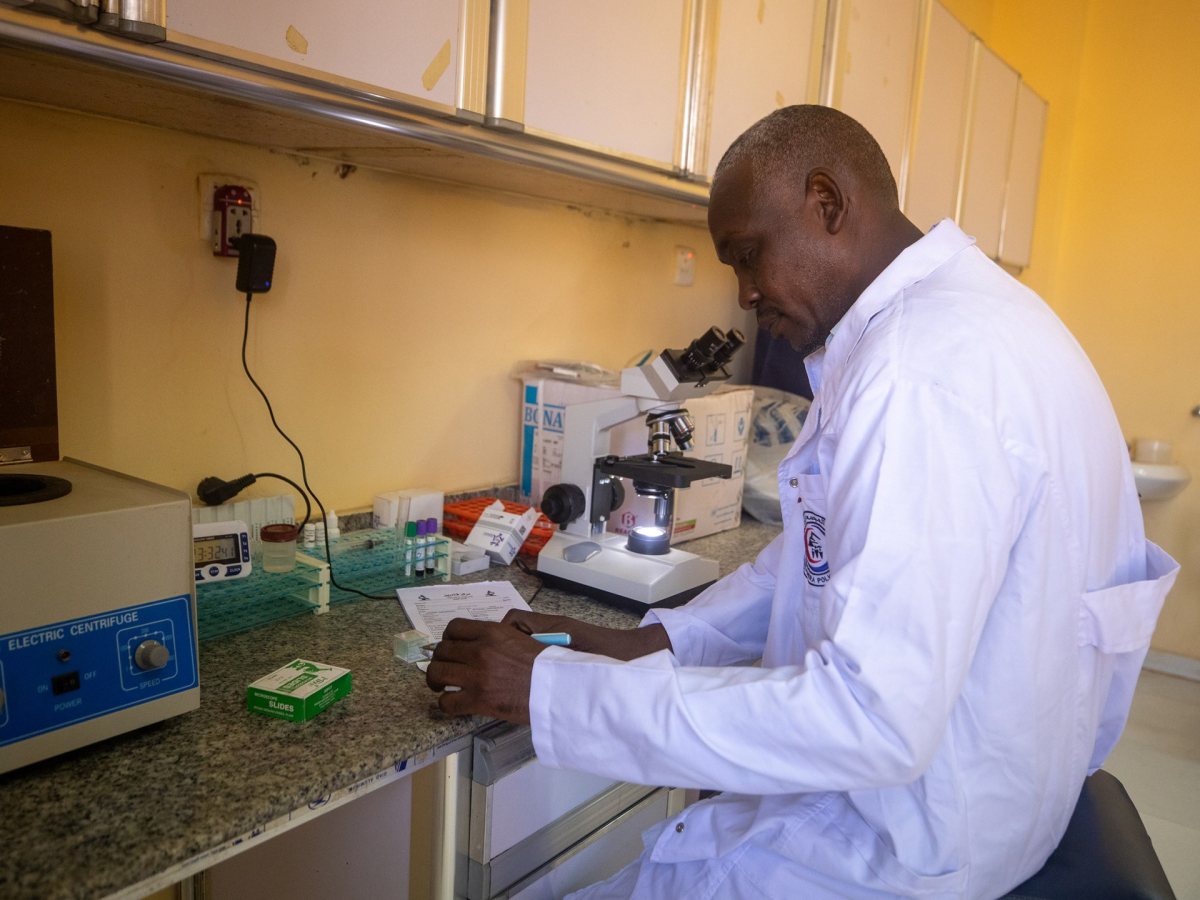
A growing number of young people in Sudan are turning to drugs to cope with the trauma of the war between the Sudanese armed forces (SAF) and the paramilitary Rapid Support Forces (RSF), according to Al Jazeera. Doctors and treatment centres in Khartoum say demand for addiction and mental health services has risen sharply since fighting began in April 2023.
Officials also say the conflict has opened the door to large-scale drug manufacturing and trafficking, particularly of the highly addictive amphetamine Captagon.
A teenager's story
Mohammed Awad was 17 and living in Khartoum when the war broke out. Displaced and forced out of school, he moved between states with his cousins in search of safety.
He told Al Jazeera he began using drugs to blot out what he witnessed in the capital during the early months of the war, saying friends and a cousin were killed in front of him. Awad said he has been through rehabilitation several times but keeps relapsing, using pills and sometimes cannabis.
"I want to stop, but I keep failing over and over again," Awad told Al Jazeera.
He said he is now trying to recover so he can continue his education.
Rising demand for treatment
The war has killed at least 59,000 people and displaced 14 million in a country of 52 million, according to Al Jazeera. Khartoum, an early epicentre of the fighting, has become a refuge for people fleeing violence elsewhere since the SAF drove the RSF out of the area in May last year.
Lubna Ali, director of the Qadreen Center for Addiction Treatment, one of the few charitable institutions tackling the problem in the capital, said the centre has seen a significant increase in people seeking help since the war began. It has handled 10,100 cases, ranging from war-related psychological trauma to drug addiction, she said.
Dr Aisha Almobasher, a psychiatrist at the Bitmakaly National Organization, told Al Jazeera the rising number of patients suggests the problem is "more than a passing phenomenon". She said many of those struggling with addiction come from areas formerly controlled by the RSF, where drugs reportedly became more available and trafficking networks grew. She added that in some states drugs were used to attract and recruit young people, particularly into RSF ranks.
Weakened institutions and worsening insecurity have undermined oversight and limited the ability of health services to respond, according to the report.
Industrial-scale production
Major-General Mohamed Al-Moatasim Okasha, director of Sudan's General Directorate for Anti-Narcotics, said his teams have found advanced drug production facilities in areas retaken from the RSF, including in and around Khartoum.
A large Captagon factory was recently uncovered by the SAF north of Khartoum, near an oil refinery once held by the RSF. The equipment was valued at about $3m, the facility could produce 100,000 pills an hour, and its raw materials could have made up to 700 million pills, according to Al Jazeera.
Okasha said El-Radom in South Darfur, which remains under RSF control, has become a well-known cannabis-growing area where anti-narcotics operations have been suspended throughout the war. He said use of Captagon, crystal methamphetamine and tramadol is rising, though cannabis remains more widespread.
He described drug trafficking and manufacturing as weapons of war and said captured militia members had reportedly been found with narcotics. Al Jazeera did not report a response from the RSF to the allegations.
A March report by the Sudan Transparency and Policy Tracker recorded 19 incidents involving drug seizures or manufacturing facilities between 2015 and 2025, with a notable acceleration since the war began. The figures reflect seizures and estimated production capacity rather than actual consumption.
A regional problem
Captagon production was previously concentrated in Syria under former President Bashar al-Assad. As Syria's new authorities move against such facilities, the drug is becoming a growing problem in other conflict zones, including Sudan.
Okasha said combating drugs is a national security priority and that Sudan is part of a region facing a growing drug crisis.
This story was prepared by the Hamasta Newsdesk with AI assistance, based on reporting by Al Jazeera. Read the original report. Photo: Al Jazeera.




Show the impact of your work.
Impact stories, campaign videos and community engagement for NGOs and programmes.

More in International
See all
UK Sets Aside 42,900 Seasonal Work Visas for 2027: What Kenyan Applicants Need
Axes and cutlasses at rallies: violence clouds Nigeria's January 2027 election race
EU proposes €45 billion loan to Ukraine, to be repaid from Russian reparations

India Plans Quarantine of Up to Six Days for Kenyans Lacking Yellow Fever Proof
Ukraine reportedly hits Krasnodar oil refineries a day after Kerch bridge strike
Global Community Remarks
0