
Ruto says public board seats will no longer be handed out as political rewards
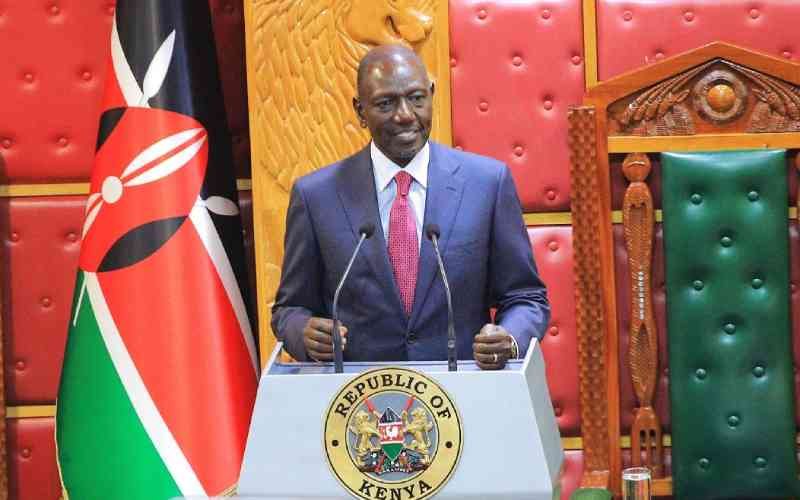
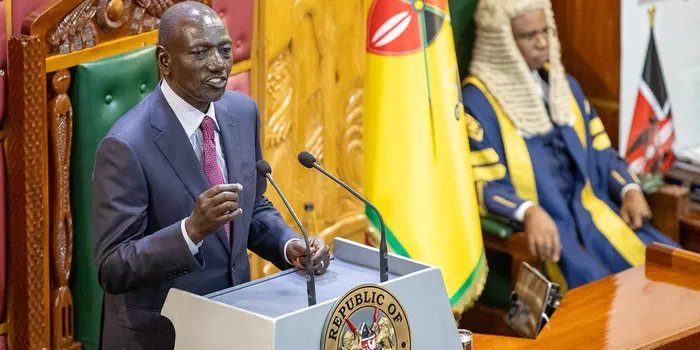
President William Ruto has declared that seats on public boards will no longer be dished out as rewards for political loyalty, insisting that such positions must instead be treated as roles of trust and service.
Addressing Parliament during his State of the Nation Address, the President said appointments to the boards of public institutions would be made on the strength of competence, integrity and an ability to deliver results, according to The Standard.
New law sets stricter rules
Ruto pointed to the Government Owned Enterprises Act, 2025, saying the framework keeps politicians out of independent director roles in state-owned firms and is central to improving governance and accountability in public bodies.
The law was signed on November 21, 2025, and took effect on December 5, 2025. It sets out several requirements for those seeking to sit on the boards of Government Owned Enterprises:
- Board chairpersons and members must show proven expertise in a relevant professional field.
- They must have at least 10 years of professional experience, five of them in senior management.
- Anyone affiliated with a political party within the previous five years is barred from serving as an independent director.
Under the Act, political affiliation means holding an official link to a party's governing organ or identifying with a party in order to run for political office.
Independent directors are to be picked through a structured, open and competitive process run by an independent search and selection panel.
A history of political appointments
The new rules follow years in which successive governments have placed politicians at the helm of public institutions.
In November 2024, Ruto named former Kesses MP Swarup Mishra chairperson of the Kenya BioVax Institute Limited board for three years. Kenya BioVax is one of 65 enterprises listed under the new Act, although Mishra's appointment came before the law took effect. The Act's transitional provisions allow sitting chairpersons and board members to continue serving, subject to its terms. Mishra's appointment was revoked on July 4, 2025, and Dr Charles Githinji took his place.
Other appointments highlighted by The Standard include former Rarieda MP Nicholas Gumbo, named chairperson of the Kenya Sugar Board in November 2024, and former Gender Cabinet Secretary Aisha Jumwa, appointed to chair the Kenya Roads Board in January 2025.
That same month, ODM Treasurer Timothy Bosire was appointed chairperson of the National Transport and Safety Authority (NTSA) board, replacing Manoj Shah.
Wider anti-corruption push
The President framed the board reforms as part of his administration's broader campaign against graft, which he said slows economic growth and robs citizens of equal opportunities.
"Corruption increases the cost of doing business, discourages investment and denies honest citizens a fair opportunity to succeed," Ruto said.
He also cited the Electronic Government Procurement (e-GP) system, which he said was making public procurement more transparent by allowing suppliers, prices and government contracts to be openly tracked.
According to the President, the Conflict of Interest Act passed by Parliament will tighten accountability and stop public officers from using their offices for personal gain. He added that the rollout of the Treasury Single Account would strengthen payroll controls and improve the management of public finances to protect taxpayers' money.
Ruto called on those holding public office to use their authority fairly, guard public resources, act on audit findings and embrace scrutiny as part of their duty to the country.
This story was prepared by the Hamasta Newsdesk with AI assistance, based on reporting by The Standard. Read the original report. Photo: The Standard.

Tell your story on screen.
Commercials, documentaries, interviews and social video, from script to final cut.





More in Politics
See all
Sifuna brands Ruto's fourth State of the Nation Address a 'State of Imagination'
Ruto warns against reducing communities to voting blocs in veiled jab at Gachagua
Ruto says 707,000 Kenyans have landed jobs abroad in State of the Nation speech
Ruto Names 14 Priority Roads, Says Nairobi-Mombasa Highway Dualling Near
Women's lobby accuses Gachagua of tribal politics in Nairobi, defends Sakaja

Global Community Remarks
0