
France opens post-study residence route for graduates from eight African countries

France has set out a special residence permit pathway that lets young graduates from eight African countries stay on after completing their studies to look for work, according to Tuko.
The eligible countries are Benin, Burkina Faso, Cape Verde, the Republic of Congo, Gabon, Mauritius, Senegal and Tunisia. Kenya is not among them.
The arrangement rests on separate bilateral agreements between France and each of the eight nations, which means the terms differ from one country to another.
Time to find a job
According to the French government, the scheme is intended to give qualifying graduates a window in which to search for employment linked to what they studied.
Those who land a suitable job offer can switch their residence status without going through the usual labour market test. That test can require an employer to show that no suitable local worker is available before a foreign national is hired.
There is, however, a pay threshold. Any graduate who secures an employment contract must be paid at least 1.5 times France's monthly minimum wage.
How long graduates can stay
The length of the permit depends on where the graduate comes from, Tuko reported. The breakdown is as follows:
- Benin, Burkina Faso and Mauritius: six months, renewable once.
- Tunisia: six months, renewable twice.
- Gabon: nine months, renewable once.
- Cape Verde and the Republic of Congo: nine months, with no option to renew.
- Senegal: no specific duration was given in the official breakdown.
Tunisian graduates therefore have the longest potential stay among those with a six-month starting permit, while graduates from Cape Verde and Congo receive a longer initial period but cannot extend it.
Academic requirements
The qualifications needed also vary. Graduates from Cape Verde and the Republic of Congo must hold at least a master's degree or its equivalent.
Applicants from Benin, Burkina Faso, Gabon, Mauritius and Tunisia need a minimum of a professional bachelor's degree or a master's degree.
The source report did not list a qualification requirement specific to Senegalese graduates.
Further details on the conditions are contained in the French government's official guidance on bilateral agreements for professional mobility, Tuko noted.
Wider trend
The move comes as more African students look abroad for study and work opportunities. Tuko previously reported that 21 students from Uasin Gishu County graduated with nursing degrees from Laurea University in Finland through a scholarship programme.
All 21 secured jobs and work permits after completing their training, an example of how studying overseas can lead to employment for African graduates.
For Kenyan students, the French scheme in its current form offers no direct route, as Kenya does not appear on the list of eligible countries.
This story was prepared by the Hamasta Newsdesk with AI assistance, based on reporting by Tuko. Read the original report. Photo: Tuko.




Show the impact of your work.
Impact stories, campaign videos and community engagement for NGOs and programmes.

More in Education
See all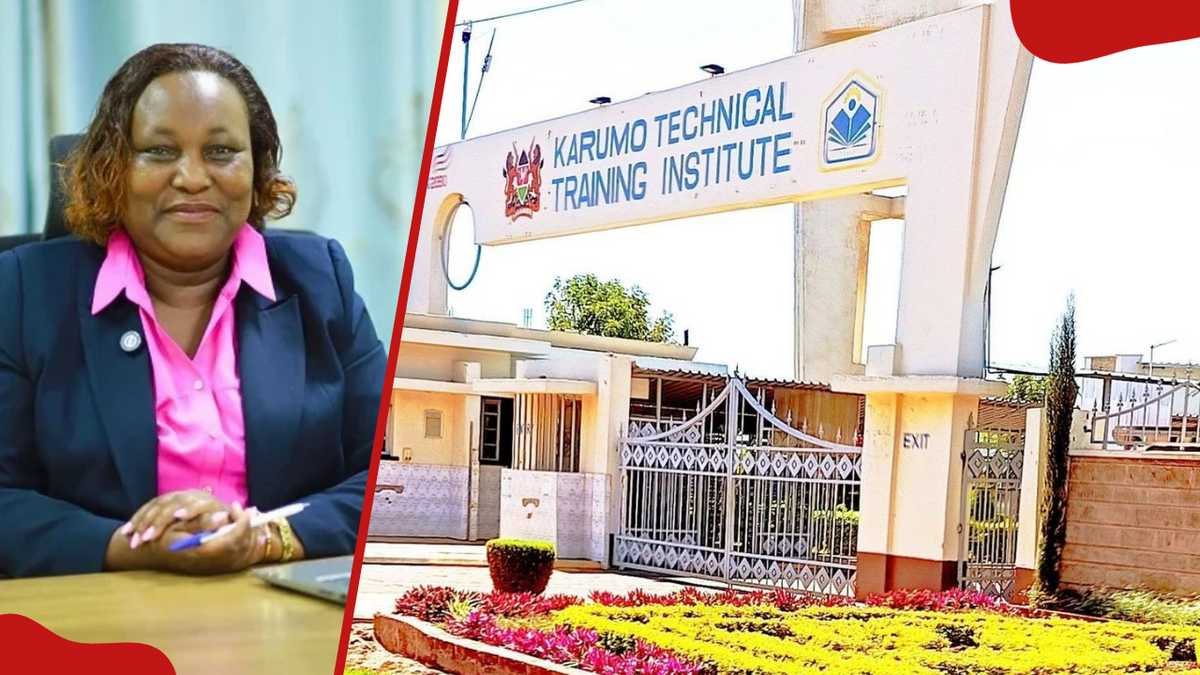
Meru's Karumo TTI ranked Kenya's top TVET in gender mainstreaming, eighth overall
.jpeg)
Court orders Egerton to issue certificates to 224 engineering graduates within 30 days
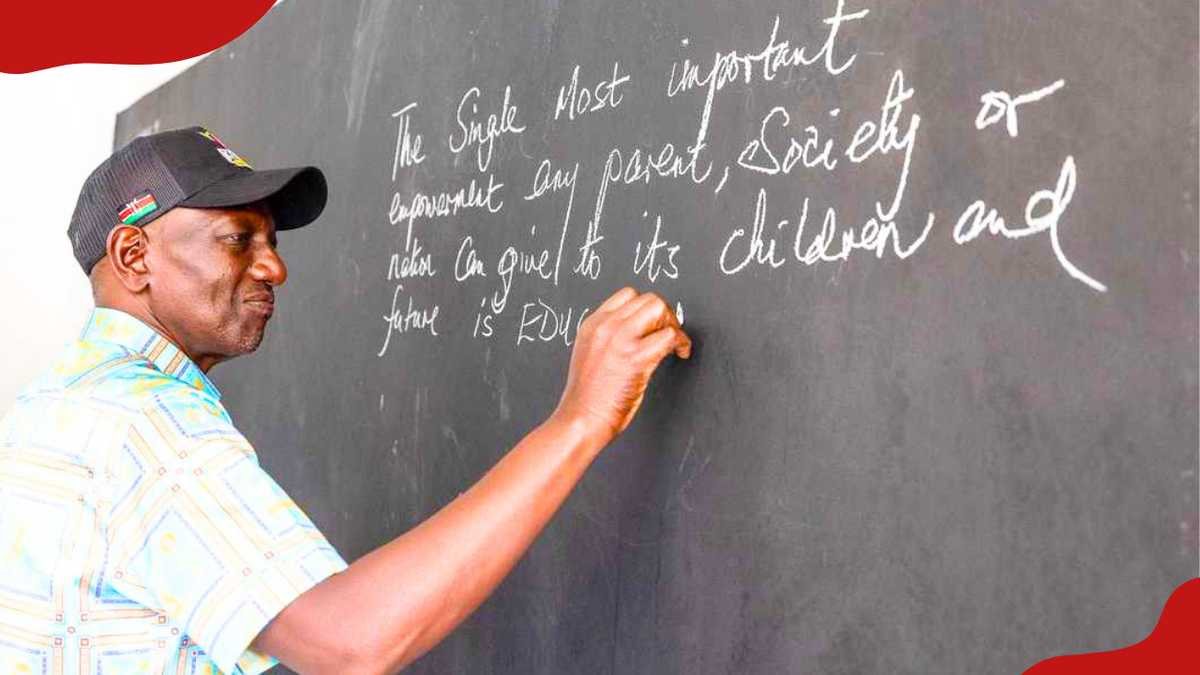
Kenya prints national exam papers locally for first time in 65 years, Ruto says

Kenyans have until December 8 to apply for 2027 fully funded UK master's scholarships

Nigerian Woman Earns Maths PhD After Decade-Long Break to Raise Her Children

Global Community Remarks
0