
Tunisia's olive oil exports surge nearly 50% after record harvest
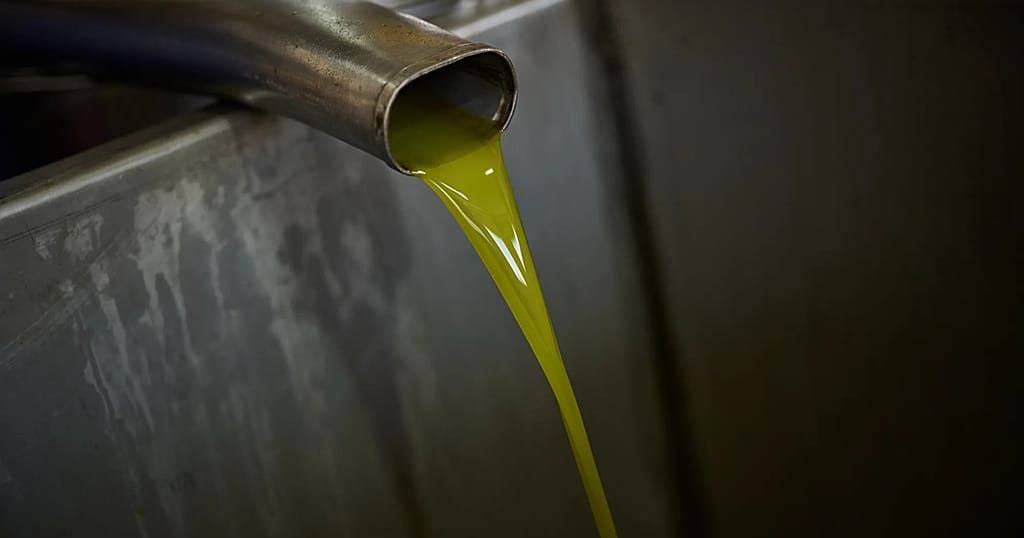
Tunisia's olive oil exports climbed by almost half in the season that ended in October, after an exceptional harvest pushed the North African nation to second place among the world's producers, according to Africanews.
Official figures released on Wednesday by the National Agricultural Observatory show that exports rose 47.7% to 413,100 tonnes. The shipments brought in revenues of $1.7 billion.
Five-year production high
The growth in exports follows a strong season on Tunisian farms. The country produced more than 500,000 tonnes of olive oil, its highest output in five years.
That volume has moved Tunisia into the position of second-largest olive oil producer globally, trailing only Spain, according to the International Olive Council. Tunisia has not held that ranking since 2015.
Buyers across nearly 100 countries
Tunisian olive oil reached close to 100 countries during the season, official figures show. Three markets accounted for the bulk of shipments:
- Spain took nearly a third of exports
- The United States received 20%
- Italy accounted for 19%
The prominence of Spain and Italy among buyers is notable given that both are themselves major olive oil-producing countries in Europe.
Pillar of the economy
Olive oil is Tunisia's leading agricultural export and an important earner of foreign currency for the country, according to Africanews. The sector supports the livelihoods of hundreds of thousands of Tunisians.
Agriculture as a whole makes up about 10% of Tunisia's gross domestic product, according to official figures, underlining how much the fortunes of the olive harvest matter to the wider economy.
The latest numbers suggest that the bumper crop has translated directly into stronger earnings abroad, with export volumes rising sharply over the season.
What it means
The return to the number two spot behind Spain marks a significant milestone for Tunisian producers, who last occupied that position nearly a decade ago.
For a country where olive oil is the single most valuable farm export, a harvest of this scale offers a boost to foreign exchange earnings and to the many households whose incomes depend on olive cultivation and processing.
The figures also highlight the reach of Tunisian olive oil in international markets, with buyers spread across nearly 100 countries and major consumers in both Europe and North America relying on its supply.
For African economies that depend heavily on agricultural exports, Tunisia's performance is an example of how a single strong commodity season can significantly lift trade revenues.
This story was prepared by the Hamasta Newsdesk with AI assistance, based on reporting by Africanews. Read the original report. Photo: Africanews.



Know what people say about you.
Media monitoring, audience insights and strategic communication for your brand.


More in Business
See all
Anthropic heads for record US share sale as debate over AI bubble intensifies

Stanbic locks Vodacom out of Sh9.1bn Safaricom dividends after court ruling

Konza Technopolis to Host Kenya's First Biopharma Life Sciences Park

StanChart, pension trustees ordered to pay Sh773m legal costs to 629 retirees

Kenya to switch on South Lokichar oil rig as crude trade name list narrows to four

Global Community Remarks
0