
Kenya to switch on South Lokichar oil rig as crude trade name list narrows to four
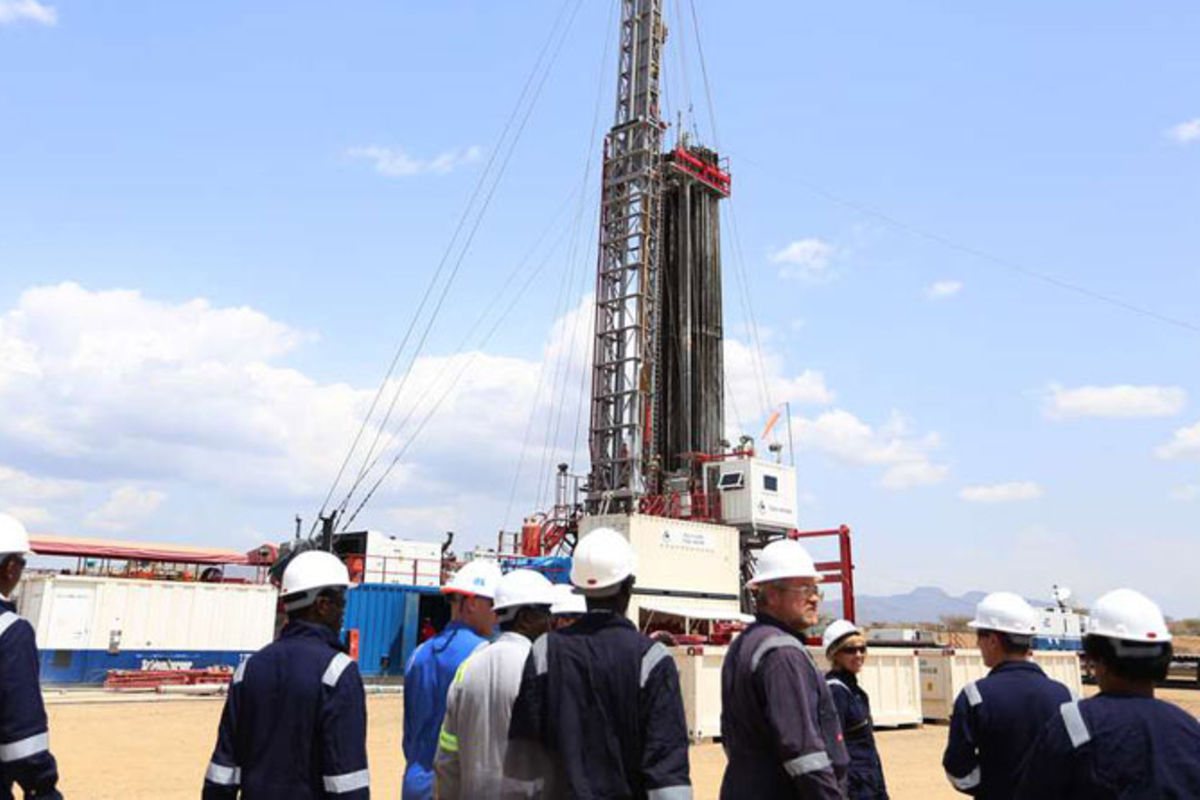
Kenya will begin drilling for crude oil in South Lokichar, Turkana County, on Friday, and has shortlisted four possible names for marketing the oil internationally, according to Business Daily.
Energy and Petroleum Cabinet Secretary Opiyo Wandayi said the drilling rig will be switched on this Friday, with first production still scheduled for December 1, 2026, followed by export of the crude for refining abroad.
The four names under consideration are Great Rift Light, Great Rift Intermediate, Great Rift Blend and Great Rift Sweet.
"We are switching on the drilling rigs on Friday and the first production date of December 1 still remains as scheduled," Mr Wandayi said.
Production targets
Gulf Energy, the firm handling commercial production, is aiming for 20,000 barrels per day in the first phase, which runs from 2026 to 2032. Output from Blocks T6 and T7 is then expected to rise to 50,000 barrels per day from the end of 2032.
Onshore wells typically need at least two weeks before the first volumes are lifted, which places Gulf Energy comfortably within its December target, Business Daily reports.
In the first phase, the crude will be moved by road to the port of Mombasa for export. Rail transport is expected to take over in the second phase, when volumes more than double.
The project is expected to add a new source of foreign exchange earnings and place Kenya alongside Uganda and South Sudan as oil producers in East Africa.
Naming the crude
President William Ruto is expected to flag off the first consignment of Turkana crude on December 1, when the chosen trade name will also be unveiled. The government launched the search for a name last month.
No international law requires countries to name their crude, but a distinct name helps traders identify a grade among the many types sold globally. Kenya's oil is described as light and sweet, meaning it has low sulphur levels, which makes it cheaper and cleaner to process into petrol, diesel and jet fuel. Density and sulphur content are key factors in how attractive a crude is to refiners and traders.
Other well-known grades include Murban from the United Arab Emirates, West Texas Intermediate from the United States, Russia's Urals and ESPO, Nigeria's Bonny Light and Brent, produced in fields between the United Kingdom and Norway. Uganda recently named its crude Pearl Sweet.
Kenya's crude will compete in a market dominated by Brent, WTI and Murban, which are central to setting global oil and fuel prices. The government has not disclosed which refineries will buy the oil.
Edward Kinyua, Director General of the Energy and Petroleum Regulatory Authority, said last month that sales would be on a willing-buyer, willing-seller basis, with the crude going to whoever offers a good price.
A long road to production
Tullow discovered commercially viable oil in South Lokichar in 2012. Together with partners Total and Africa Oil, it exported test samples between 2019 and 2020, which reportedly sold at a discount to Brent.
The partners had originally targeted a final investment decision in 2019 and first oil by 2023, but Tullow struggled to attract investors to reduce the project's risk and to secure government approval of its development plan.
The three firms eventually exited, with Tullow agreeing last year to sell the entire project to Gulf Energy for Sh15.6 billion. Gulf, through its subsidiary Auron Energy E&P Limited, paid the amount in three instalments of Sh5.2 billion each.
This story was prepared by the Hamasta Newsdesk with AI assistance, based on reporting by Business Daily. Read the original report. Photo: Business Daily.


Take your event live to thousands.
Multi-camera live streams, panel discussions and digital broadcasts with professional crews.




More in Business
See all
StanChart, pension trustees ordered to pay Sh773m legal costs to 629 retirees
Waunifor–Flax Road upgrade eases produce transport for Elgeyo Marakwet farmers

Low earners and lecturers face February wait for tax relief and pay rise, says Mbadi
Gold slides below $3,800 to one-year low, raising worries for African producers
Kenya's exports to the US double to Sh116bn as solar cells join coffee and apparel

Global Community Remarks
0