
Ruto says farm subsidies are easing cost of living in State of the Nation Address
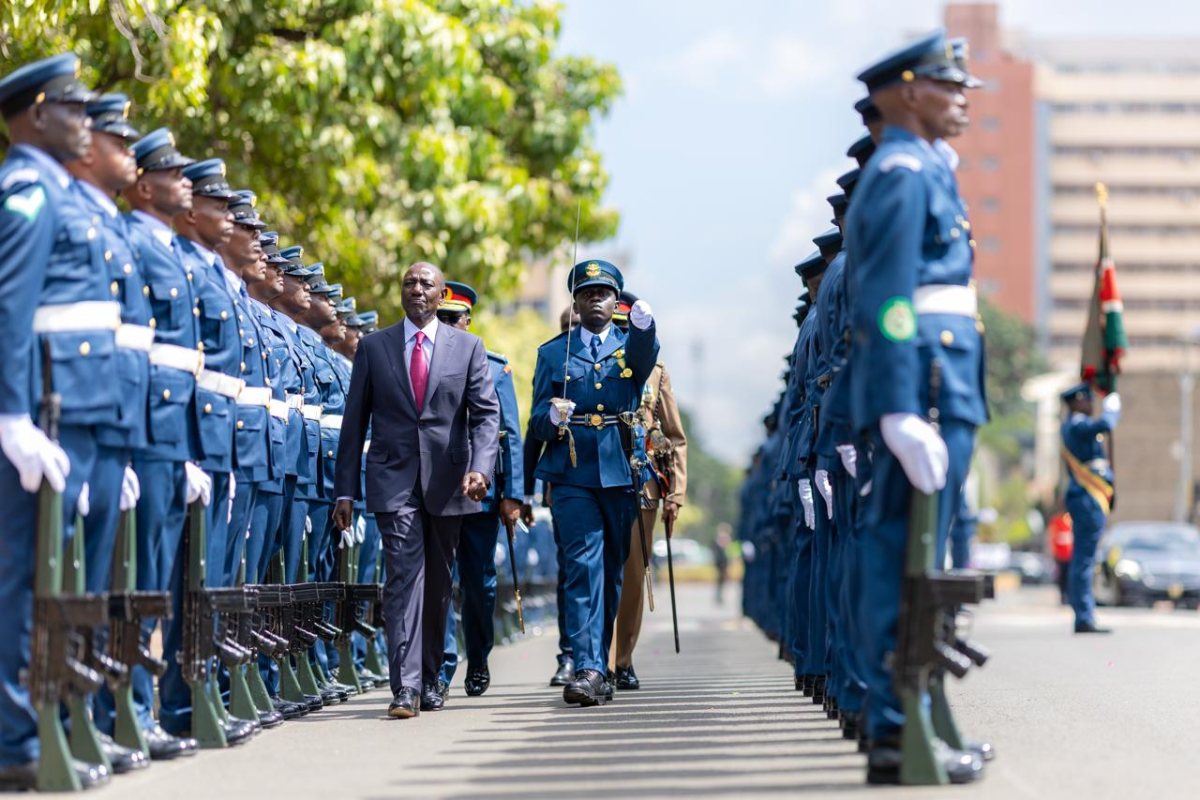
President William Ruto has credited his administration's agricultural programmes with steadying the economy and reducing the cost of living. He told Parliament that cheaper inputs and higher output have brought down food prices and raised what farmers earn.
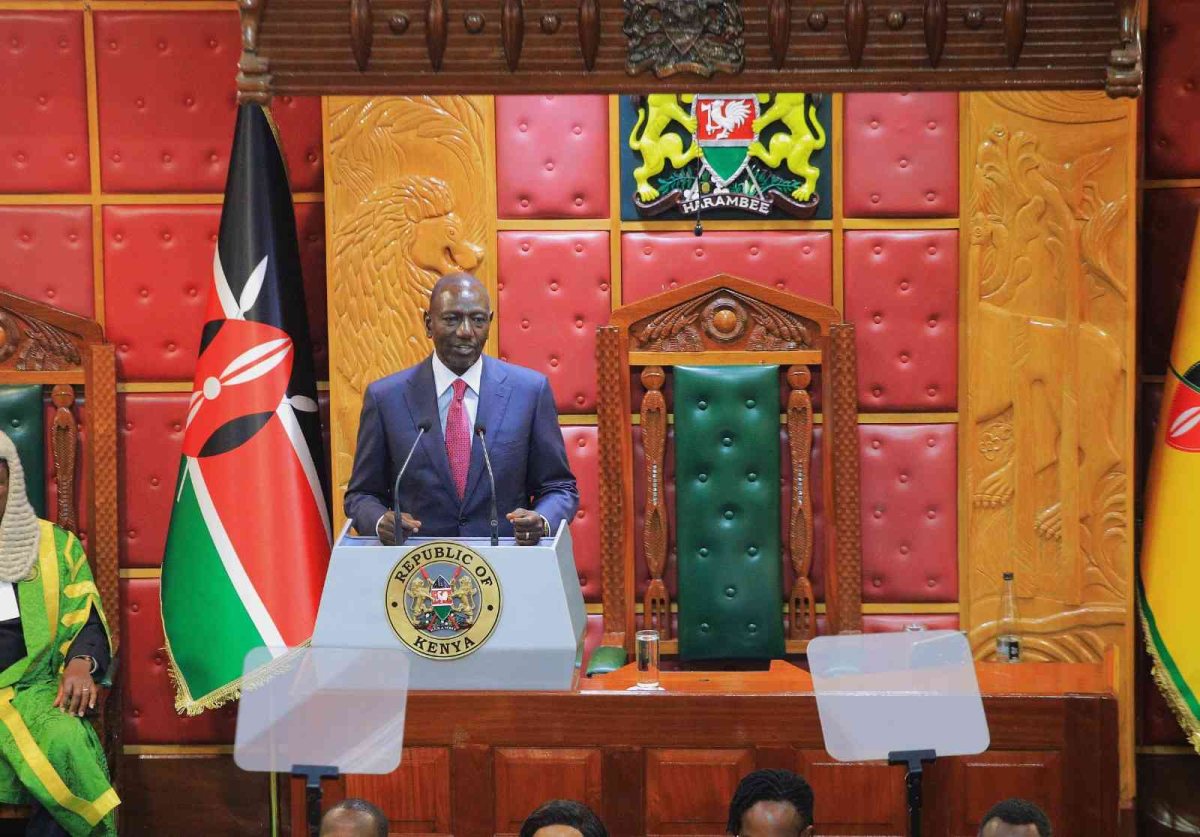
Delivering his fourth State of the Nation Address, the President said the Bottom-up Economic Transformation Agenda (BETA) had sustained economic growth through targeted support for agriculture, according to KBC.
He said the cost of living had to be tackled on several fronts at once, reducing what households spend while increasing what they earn. "We have never regarded the cost of living as a problem that can be solved by one intervention," he said.
Inflation picture
Ruto said inflation eased to an average of 4.1 per cent last year, down from 9.6 per cent in 2022. He acknowledged, however, that fresh pressure from food and energy prices pushed the rate up to 7.3 per cent in October.
He said food takes up a large part of household budgets. For that reason, the government approached agriculture with three aims: cutting farmers' production costs, increasing the food supply for consumers and improving returns for growers.
Maize and fertiliser
The President linked a sharp rise in maize production to the fertiliser subsidy programme. He said the programme cut the price of a 50-kilogramme bag from Ksh 7,500 to Ksh 2,000.
According to Ruto, maize output rose to 71 million bags last year, up from 44.3 million bags in 2022. Over the same period, 38.5 million bags of subsidised fertiliser went to about nine million farmers. Those farmers also received improved seed, soil testing and extension services.
He said the average national price of a two-kilogramme packet of sifted maize flour dropped from a peak of Ksh 230 in September 2022 to about Ksh 152 in September this year.
Cash crops and dairy
Ruto told lawmakers that coffee export earnings had doubled from Ksh 26 billion to Ksh 52.1 billion. Tea export earnings rose from Ksh 163 billion in 2022 to Ksh 187 billion in 2025.
He added that the Cherry Advance Revolving Fund has paid out Ksh 15.07 billion to 684,000 coffee farmers. The money helps them meet urgent needs while they wait for payment for their produce.
In dairy, he said national milk production grew from 4.5 billion to 5.52 billion litres. Dairy export earnings more than doubled to Ksh 11.2 billion. Farmers' earnings per litre rose from Ksh 32 to as much as Ksh 60 in October.
The President also listed rice and fishing among the subsectors that had benefited from BETA investments.
Sugar revival and farmer bonus
Turning to sugar, Ruto said the industry was recovering. Between January and October this year, the amount of cane crushed rose by 57 per cent and sugar production went up by 60 per cent.
He said the sector is expected to produce more than 900,000 tonnes by the end of the year. He described that as the highest annual output in Kenya's history.
Ruto also announced a Ksh 1.2 billion bonus for sugarcane farmers this year. He said payments would begin next week.
The President said his government intends to keep production rising so that food becomes cheaper and farmers continue to earn more.
This story was prepared by the Hamasta Newsdesk with AI assistance, based on reporting by KBC. Read the original report. Photo: KBC.
Every moment, captured beautifully.
Events, corporate portraits, products and editorial shoots by our newsroom photographers.





More in Business
See all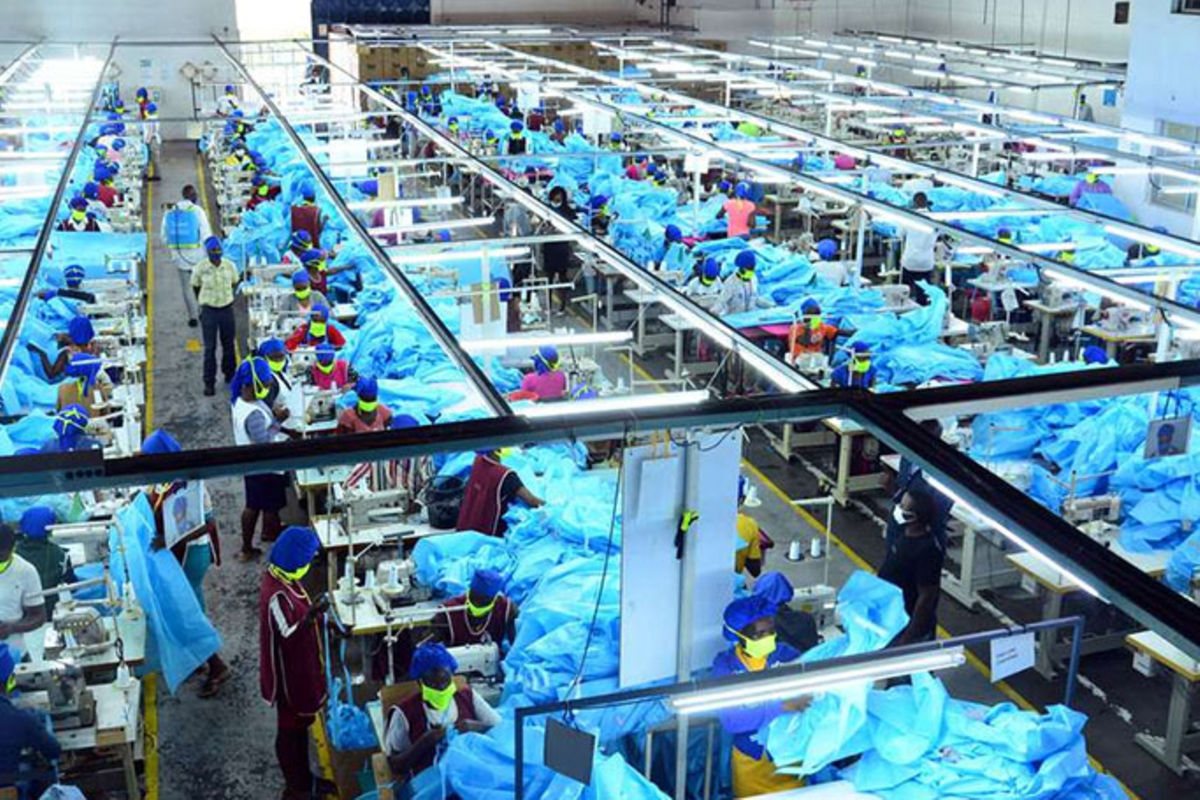
Kenya's exports to the US double to Sh116bn as solar cells join coffee and apparel
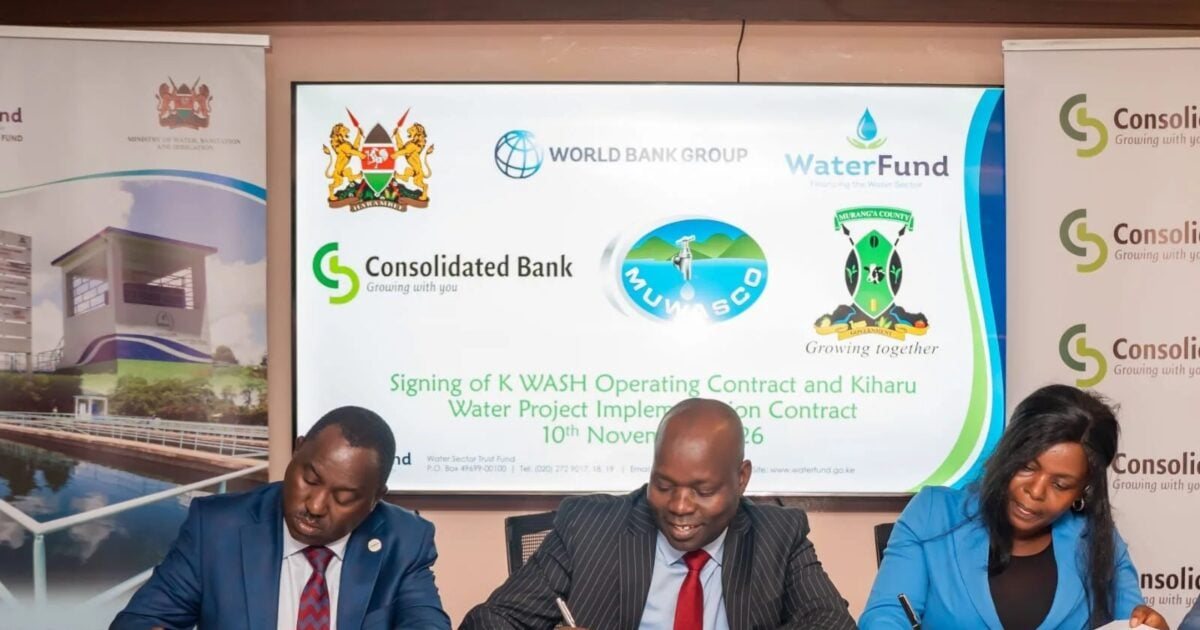
Murang'a lands Sh348.6m blended financing deal for Kiharu water project
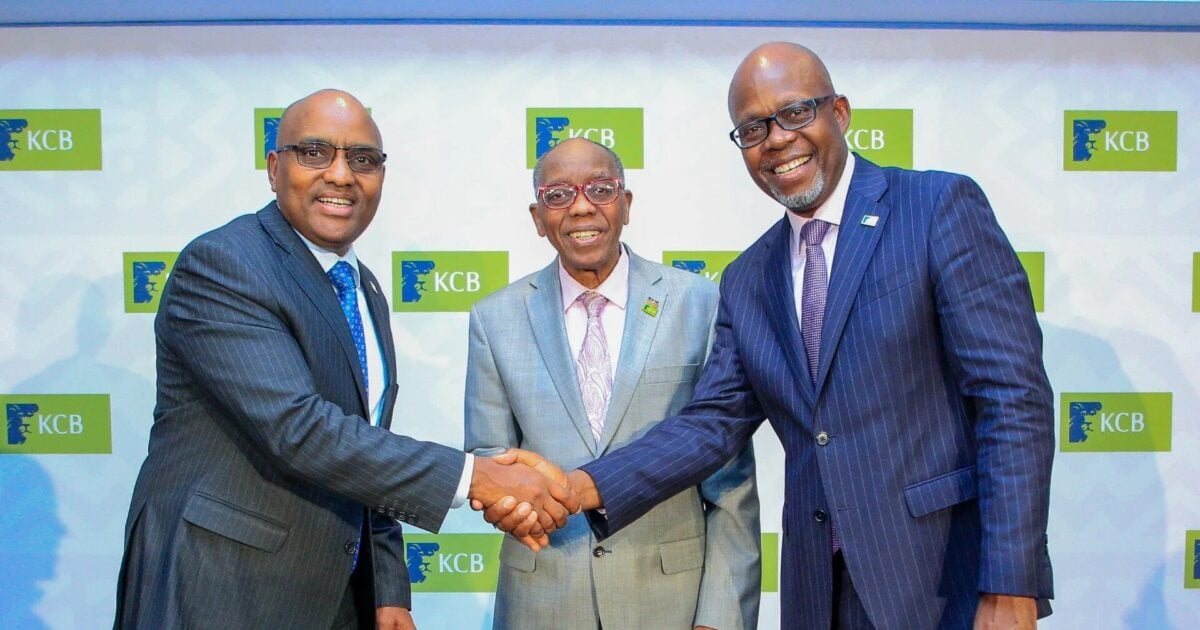
KCB Group nine-month profit climbs 24pc to Sh58.6bn on lending and regional growth
Angola cuts key interest rate to 14%, lowest in over a decade, as inflation eases
Ruto defends economy in State of the Nation as public debt nears Sh13.5 trillion
Global Community Remarks
0