
Kenya's exports to the US double to Sh116bn as solar cells join coffee and apparel
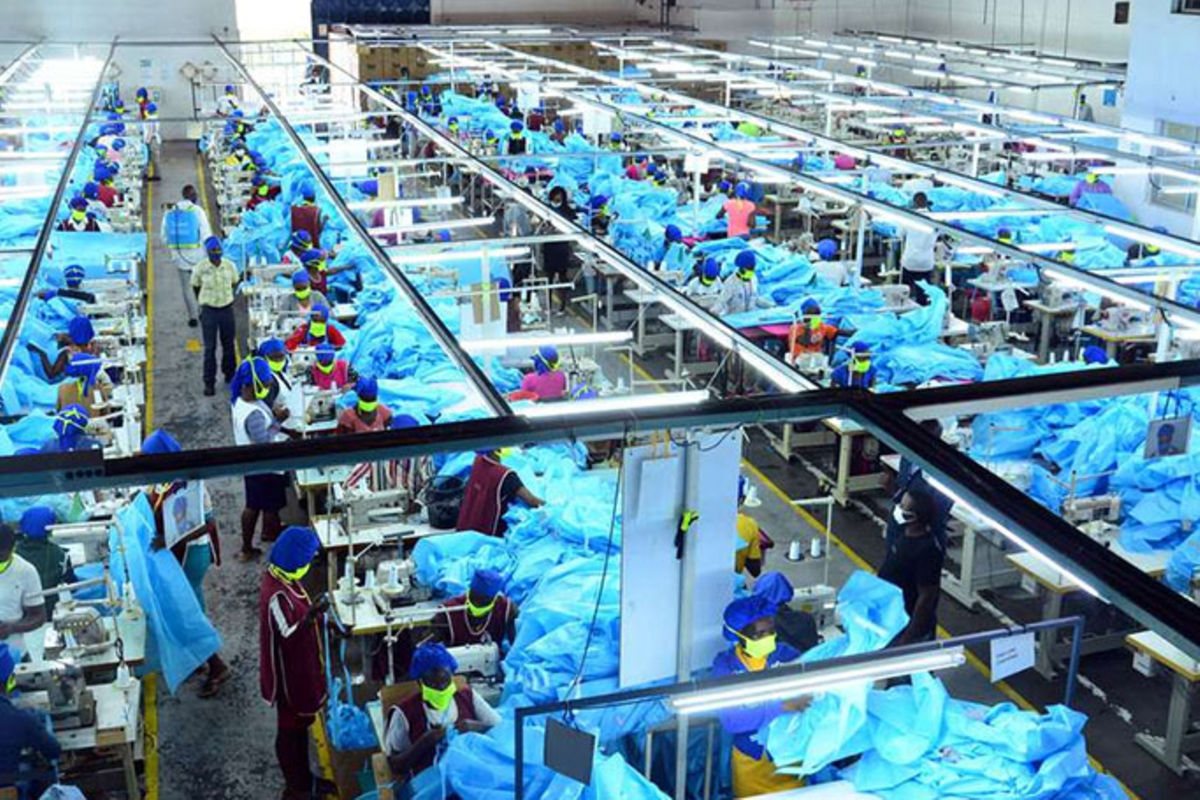
Kenya's exports to the United States more than doubled to Sh116.1 billion in the nine months to September, with solar photovoltaic cells emerging as a key driver alongside coffee and maize oil, according to Business Daily.
The value of goods shipped to the American market rose from Sh57.52 billion in the comparable period, a 101.83 percent increase, according to data from the Kenya National Bureau of Statistics (KNBS) cited by the publication.
KNBS attributed the growth to rising shipments of photovoltaic cells, coffee and maize (corn) oil, saying exports were "largely driven by increased domestic exports of assembled and unassembled photovoltaic cells."
A shift beyond apparel and tea
The trend marks a departure from Kenya's long-standing reliance on clothing, tea and other farm produce for its US trade. Photovoltaic cells, which convert sunlight directly into electricity, are the basic building blocks of solar panels.
Their appearance in the export figures places Kenya within a global industry increasingly shaped by energy security concerns, as countries scale up renewable energy installations. It also comes as Washington reorganises its solar supply chains through tariffs and restrictions aimed at Chinese-made products, Business Daily reported.
Unlike garments, which have traditionally benefited most from the African Growth and Opportunity Act (Agoa), solar cells do not automatically qualify for duty-free treatment. They must satisfy specific tariff classification and rules-of-origin requirements to access the preferential terms.
Agoa restoration and record shipments
The surge follows the restoration of Agoa in February after the trade programme lapsed in September 2025. Its return reopened duty-free access for eligible Kenyan goods and eased uncertainty for exporters who had faced higher tariffs, disrupted orders and doubts over their competitiveness in the American market.
Washington has since extended the programme to December 2028, giving exporters a longer planning horizon.
The recovery has gathered momentum. In September, the US overtook Uganda to become Kenya's leading export destination, with shipments reaching a record Sh27.9 billion for the month.
The lapse of Agoa had exposed factories dependent on American orders. Job creation in export processing zones slowed during the period, with enterprises adding 6,732 jobs in the year to June compared with 12,069 previously.
Garment makers in the zones have historically relied heavily on US buyers. Kenya exported apparel worth about $470 million to the US under Agoa in 2024, supporting roughly 66,800 direct jobs, about three-quarters of them held by women.
Europe weakens
The growing importance of the US market comes as earnings from some traditional European destinations soften. Exports to Europe fell 4.5 percent to Sh69.3 billion in the second quarter of 2026, weighed down by lower shipments to Belgium, Germany and Italy.
Kenya has been seeking to diversify beyond established markets such as Uganda, Pakistan and the European Union, and the government has urged exporters to move into value-added farm products, leather, pharmaceuticals and manufactured goods.
Trade talks and the deficit
Nairobi has also been pressing for wider access to the US market covering agriculture, mining, fisheries and value-added manufacturing. Those discussions began during President Donald Trump's earlier administration before slowing amid policy changes and uncertainty over Washington's approach to African trade.
The US has signalled interest in modernising Agoa and pursuing more reciprocal arrangements, which could alter the terms on which African goods enter its market.
Despite the gains, Kenya's export earnings remain far below its import bill, leaving the country exposed to persistent trade deficits and pressure on its foreign exchange reserves.
This story was prepared by the Hamasta Newsdesk with AI assistance, based on reporting by Business Daily. Read the original report. Photo: Business Daily.




Show the impact of your work.
Impact stories, campaign videos and community engagement for NGOs and programmes.

More in Business
See all
Ruto says farm subsidies are easing cost of living in State of the Nation Address

Murang'a lands Sh348.6m blended financing deal for Kiharu water project
KCB Group nine-month profit climbs 24pc to Sh58.6bn on lending and regional growth
Angola cuts key interest rate to 14%, lowest in over a decade, as inflation eases
Ruto defends economy in State of the Nation as public debt nears Sh13.5 trillion
Global Community Remarks
0