
Angola cuts key interest rate to 14%, lowest in over a decade, as inflation eases
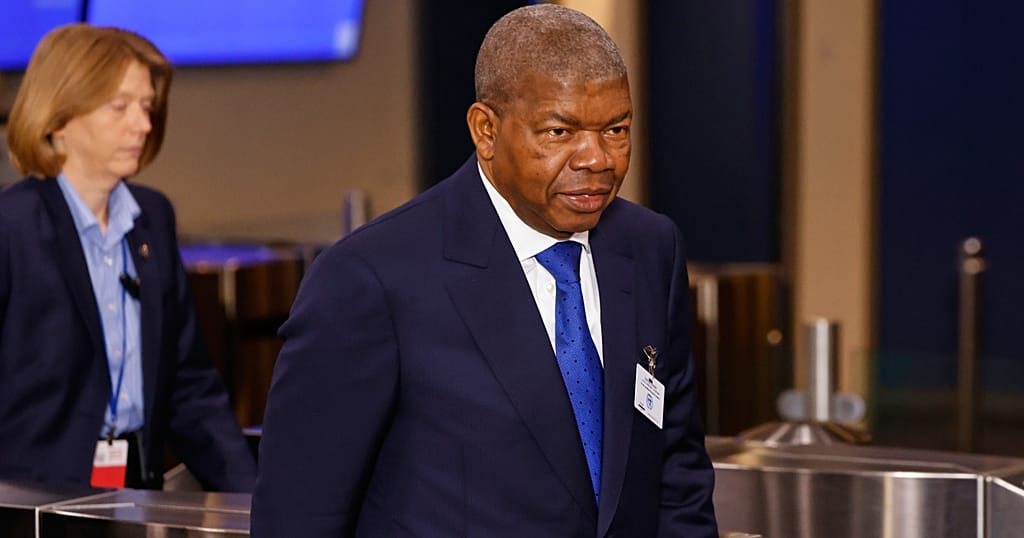
Angola's central bank on Tuesday lowered its benchmark interest rate to 14%, taking borrowing costs to their lowest point in more than ten years as inflation in the oil-producing nation continues to cool, according to Africanews.
The National Bank of Angola announced in a statement that it had reduced the rate from 14.75%, a cut of 75 basis points. It is the fourth consecutive reduction by the bank this year.
A run of rate cuts
Tuesday's move builds on a series of earlier reductions. Citing Reuters, Africanews reported that the central bank cut the rate by 50 basis points in May, 125 basis points in July and 100 basis points in September.
Taken together, the four decisions have lowered the benchmark rate by a combined 350 basis points over the period.
Governor Manuel Tiago Dias said the latest cut reflected "slowing inflation and a favorable macroeconomic outlook for the short and medium term", according to a Bloomberg report cited by Africanews.
Inflation at lowest level since 2015
The easing of monetary policy comes as price pressures in Angola have fallen sharply. Inflation stood at 8.16% in October, the lowest reading since March 2015, Africanews reported.
That marks a significant slowdown from the end of last year, when inflation was recorded at 15.7%. In roughly ten months, the annual rate of price increases has nearly halved.
Central banks typically raise interest rates to curb rising prices and lower them when inflation eases, in order to make borrowing cheaper and support economic activity. Angola's latest decision suggests policymakers believe price pressures are now sufficiently under control to allow further support for growth.
Going against the global tide
Angola's path stands in contrast to the broader international picture. According to Africanews, many central banks around the world have instead opted to raise interest rates, making the Southern African nation's run of cuts an exception.
The country's position as a major crude oil producer has helped. Citing Reuters, Africanews reported that Angola has benefited from high energy prices linked to the US-Iran war.
Oil remains central to Angola's economy, and stronger prices for crude generally boost government revenues and foreign currency earnings for producing countries.
What it means
For businesses and households in Angola, a lower benchmark rate could translate into cheaper loans over time, although the extent to which commercial lenders pass on the cuts will depend on their own decisions.
The central bank did not, in the details reported by Africanews, indicate whether further cuts are planned. However, the governor's reference to a favourable outlook in both the short and medium term points to continued confidence in the country's economic direction.
Angola's experience will be watched by other African economies grappling with inflation and the effects of shifting global energy prices.
This story was prepared by the Hamasta Newsdesk with AI assistance, based on reporting by Africanews. Read the original report. Photo: Africanews.


Grow an audience that listens.
Social media management, digital campaigns and online storytelling that converts.



More in Business
See all
Murang'a lands Sh348.6m blended financing deal for Kiharu water project
KCB Group nine-month profit climbs 24pc to Sh58.6bn on lending and regional growth
Ruto defends economy in State of the Nation as public debt nears Sh13.5 trillion
NLC Rejects Blame for Isiolo-Mandera Highway Compensation Delays

KURA invites bids for five road projects in Western and Nyanza towns

Global Community Remarks
0