
KCB Group nine-month profit climbs 24pc to Sh58.6bn on lending and regional growth
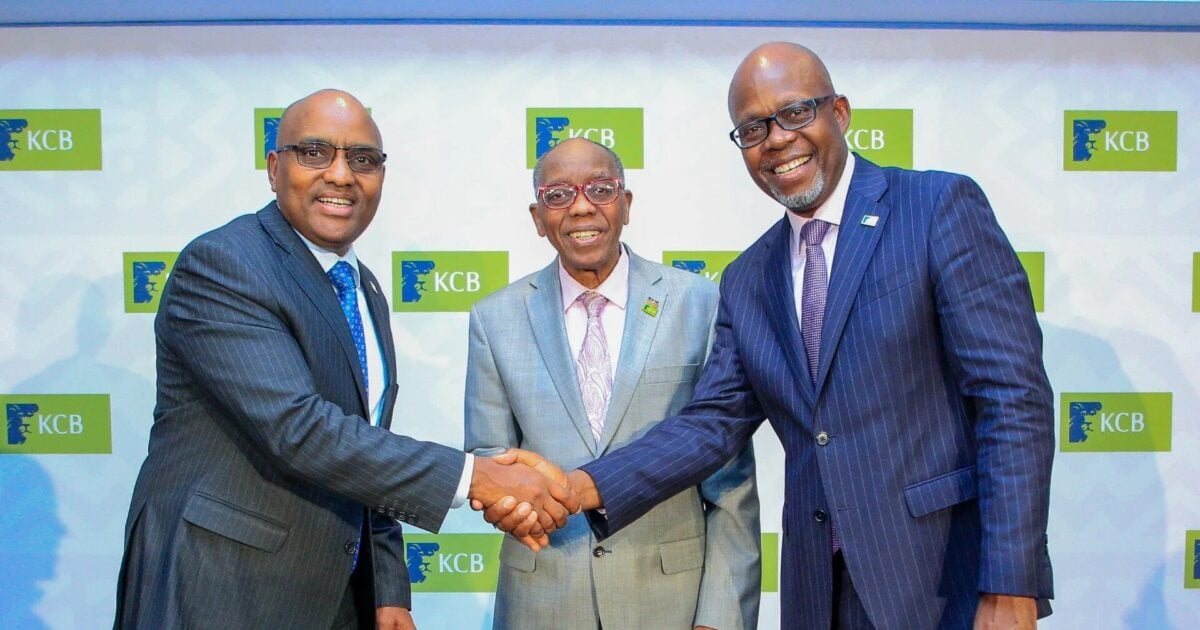
KCB Group has posted a 23.9 per cent rise in profit after tax to Sh58.6 billion for the nine months ending September 2026, driven by expanded lending, higher transaction volumes and stronger earnings from its operations outside Kenya, according to Capital FM Business.
The unaudited results show net profit climbing from Sh47.3 billion in the same period last year. Earnings per share rose 24.3 per cent to Sh17.80, up from Sh14.32.
Balance sheet expands
The lender's total assets grew by 15.4 per cent to Sh2.36 trillion, compared with Sh2.04 trillion a year earlier, on the back of increased lending and investment across its markets.
Customer deposits rose 15 per cent to Sh1.8 trillion, giving the group more funds to lend. Its loan book grew by 11 per cent to Sh1.4 trillion.
Total operating income increased by 12.3 per cent to Sh167.8 billion from Sh149.4 billion. Net interest income went up 8.2 per cent to Sh112.9 billion, while other operating income — covering fees, commissions and foreign exchange earnings — jumped 21.8 per cent to Sh54.9 billion.
The group also became more efficient, with its cost-to-income ratio easing to 43.7 per cent from 46.2 per cent in the comparable period.
Bad loans ease but remain elevated
Credit risk continues to weigh on the bank despite improvements in asset quality. Gross non-performing loans fell 17.1 per cent to Sh184.1 billion from Sh222.1 billion, bringing the non-performing loan ratio down to 13.3 per cent from 17.8 per cent.
Loan loss provisions dropped 9.1 per cent to Sh16.6 billion, reflecting lower provisioning needs during the period.
Regional subsidiaries gain weight
KCB Bank Kenya, the group's biggest unit, grew its profit after tax by 20.7 per cent to Sh40.8 billion, while its balance sheet expanded 13 per cent to Sh1.6 trillion.
Subsidiaries outside Kenya together earned Sh19.6 billion after tax, a 24.3 per cent increase, and accounted for 33.4 per cent of the group's net profit.
During the period, KCB raised its stake in Trust Merchant Bank in the Democratic Republic of Congo from 85 per cent to 98 per cent, deepening its presence in that market.
CEO cites technology investment
Group chief executive Paul Russo credited the results to spending on technology, customer experience and the bank's regional capabilities. He said the performance showed the business was becoming "a stronger and more diversified financial services institution."
Mr Russo added that the group intends to use its scale and wide distribution network to support customers across East Africa, noting a continued focus on micro, small and medium-sized enterprises (MSMEs), which he described as a driver of sustainable economic growth.
Capital buffers and funding plans
The group's core capital to risk-weighted assets ratio stood at 18 per cent, well above the statutory minimum of 10.5 per cent. Its total capital ratio was 21.1 per cent, against a required 14.5 per cent.
In August, KCB unveiled a sustainability bond framework that paves the way for a planned Sh300 billion medium-term note programme, to be issued over five years.
This story was prepared by the Hamasta Newsdesk with AI assistance, based on reporting by Capital FM Business. Read the original report. Photo: Capital FM Business.
Every moment, captured beautifully.
Events, corporate portraits, products and editorial shoots by our newsroom photographers.





More in Business
See all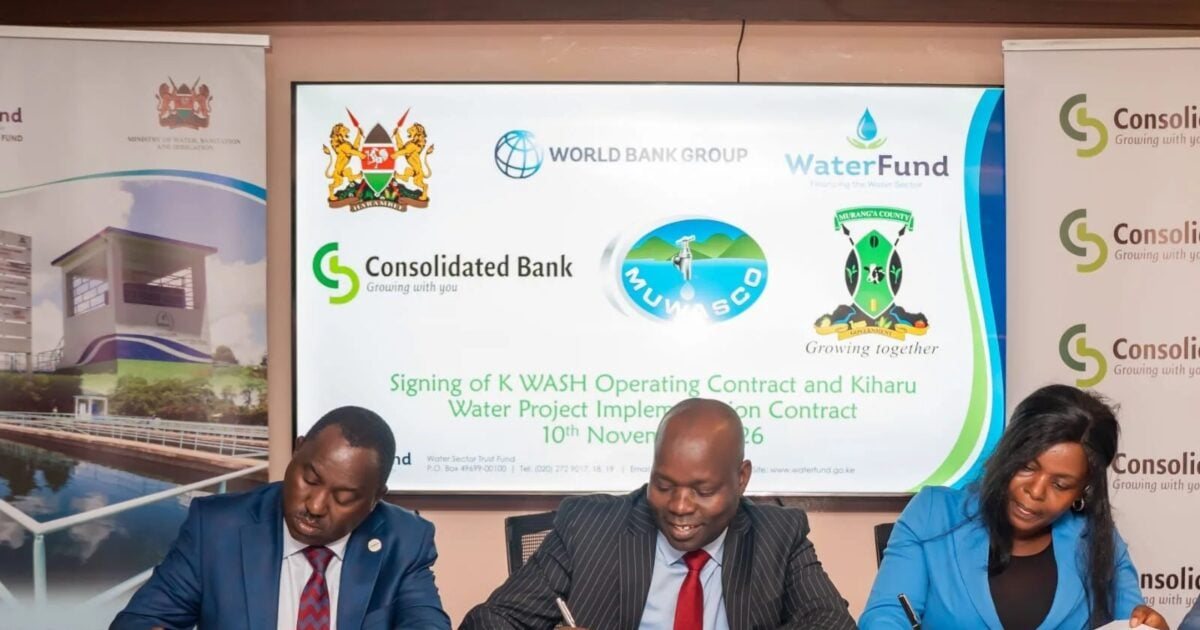
Murang'a lands Sh348.6m blended financing deal for Kiharu water project
Angola cuts key interest rate to 14%, lowest in over a decade, as inflation eases
Ruto defends economy in State of the Nation as public debt nears Sh13.5 trillion
NLC Rejects Blame for Isiolo-Mandera Highway Compensation Delays

KURA invites bids for five road projects in Western and Nyanza towns

Global Community Remarks
0