
Ruto defends economy in State of the Nation as public debt nears Sh13.5 trillion
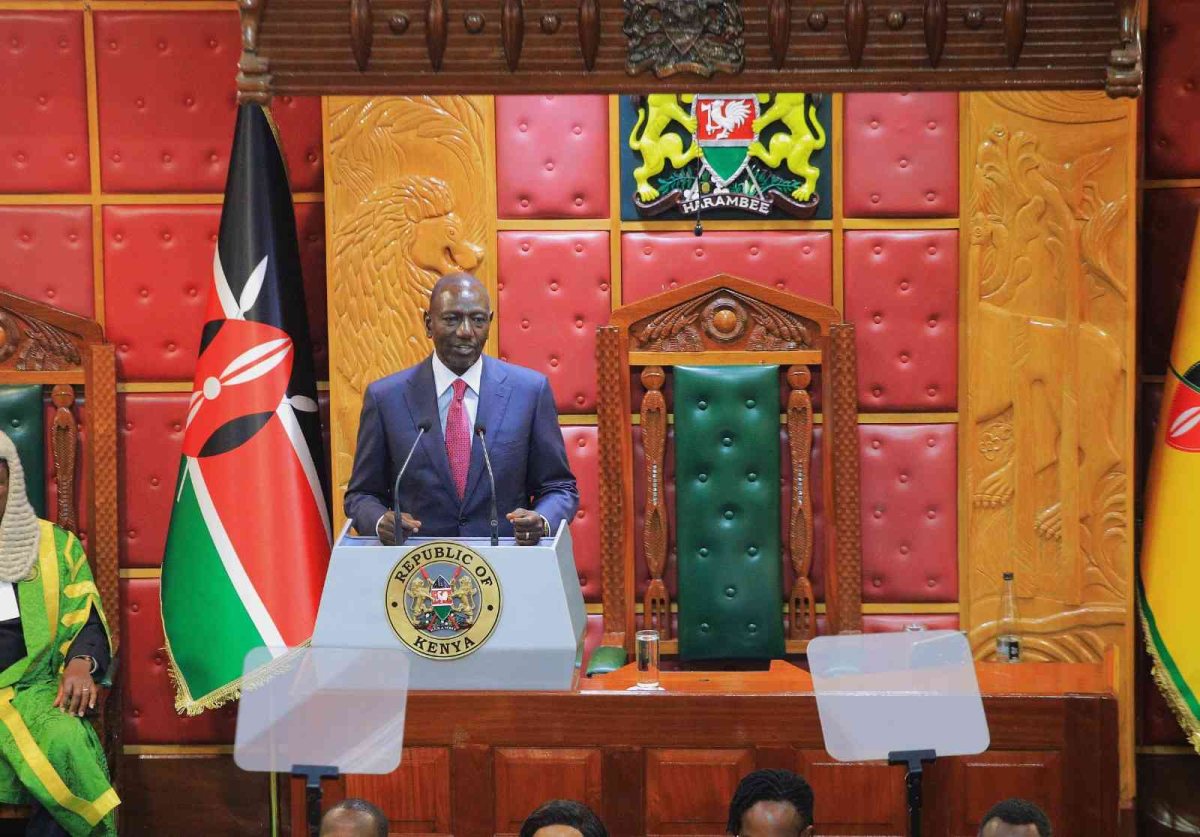
President William Ruto has used his fourth State of the Nation Address to defend his government's handling of the economy. He credited his administration with stabilising the shilling, rebuilding foreign exchange reserves and clearing a major external debt obligation.
His remarks came as official figures show Kenya's public debt still rising. The National Treasury puts the total at Sh13.47 trillion as of the end of August 2026, according to The Standard.
A recovery story
Addressing Parliament on Wednesday, November 18, the President contrasted current conditions with the situation in 2022. At that time, Kenya was dealing with high inflation, a weakening currency, rising borrowing costs and doubts over whether it could meet its external debt payments.
He said the shilling now trades at about Sh129 to the US dollar. At its weakest point it was close to Sh162.
Ruto said foreign exchange reserves had grown from US$7.8 billion (about Sh1.01 trillion) in 2022. They reached a peak of US$15.3 billion (about Sh1.99 trillion) this year.
He also highlighted the settlement of a US$2 billion (about Sh259.8 billion) Eurobond that matured in June 2024. He said the repayment protected the country's financial reputation and helped restore investor confidence.
The Eurobond was not paid off in a single payment from government reserves. Instead, it was largely refinanced, according to The Standard. In February 2024, Kenya issued a new US$1.5 billion (about Sh194.8 billion) Eurobond. It used most of the proceeds to buy back roughly US$1.44 billion (about Sh187.1 billion) of the maturing debt. Part of a World Bank budget support loan covered the remainder.
The President also said commercial lending rates had dropped from 17.2 per cent in November 2024 to 14.4 per cent in October 2026. He said this had made credit cheaper for businesses and households.
Debt keeps climbing
Treasury figures show domestic debt stood at Sh7.67 trillion and external debt at Sh5.80 trillion, despite the improvements the President described.
The World Bank says the total debt is equivalent to 72.3 per cent of gross domestic product. In its November 2026 economic update, the lender said:
- interest payments now consume about a third of government revenue;
- Kenya remains at high risk of debt distress;
- rising borrowing costs are limiting the government's ability to fund essential services and development projects.
The World Bank also raised concerns about heavier domestic borrowing. It said this was increasing banks' exposure to government debt and could crowd out lending to the private sector.
Cost of living
Ruto acknowledged that food and energy prices had pushed inflation up in October. He maintained that his government had worked to lower the cost of essential goods and services.
He said his administration's economic agenda aims to ease household costs while raising productivity and employment. It also seeks to widen opportunities for businesses and entrepreneurs.
According to the President, a stable shilling, controlled inflation and lower interest rates would benefit farmers, businesses, investors and families.
The address comes as the government faces continued pressure over the cost of living. There is also growing scrutiny of how much public revenue goes towards servicing debt, with the World Bank warning that interest costs continue to squeeze public spending.
This story was prepared by the Hamasta Newsdesk with AI assistance, based on reporting by The Standard. Read the original report. Photo: The Standard.


Take your event live to thousands.
Multi-camera live streams, panel discussions and digital broadcasts with professional crews.




More in Business
See all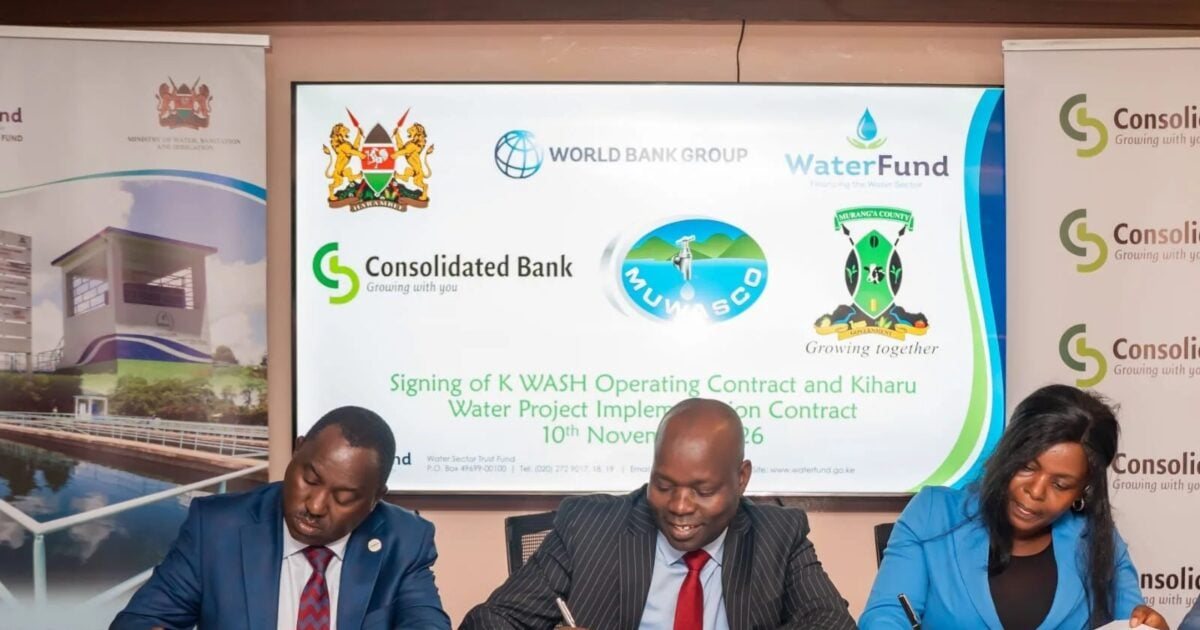
Murang'a lands Sh348.6m blended financing deal for Kiharu water project
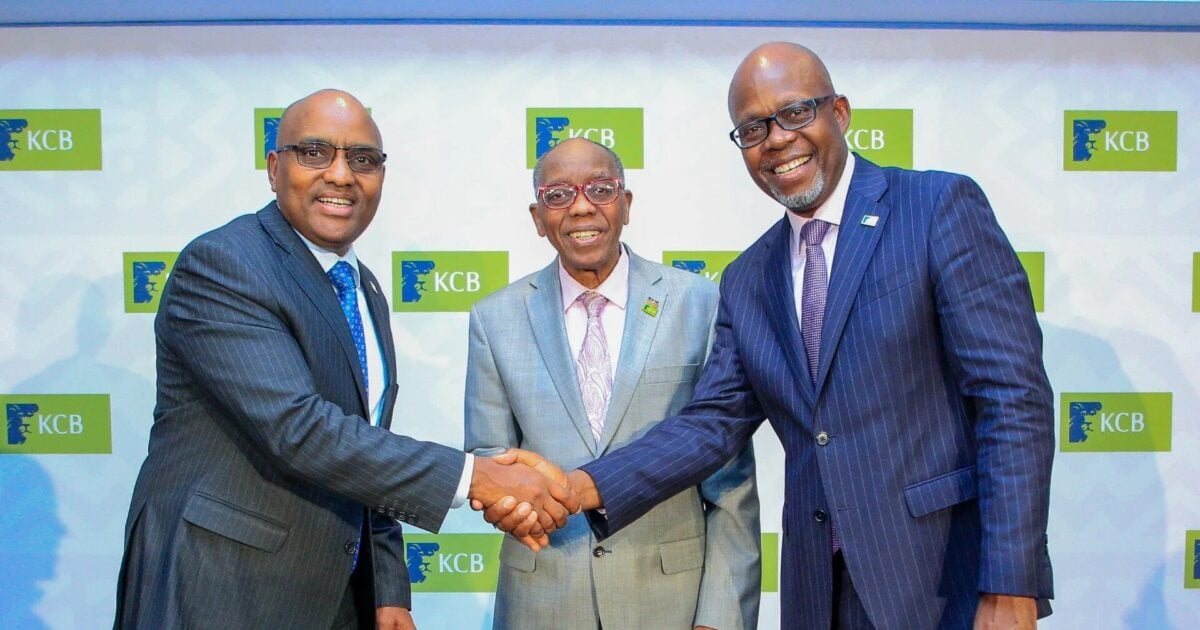
KCB Group nine-month profit climbs 24pc to Sh58.6bn on lending and regional growth
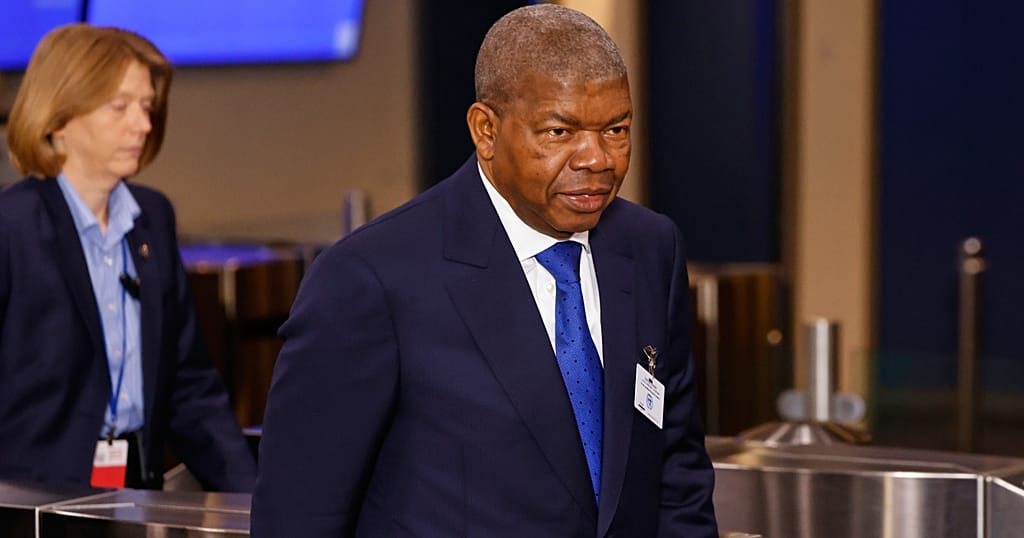
Angola cuts key interest rate to 14%, lowest in over a decade, as inflation eases
NLC Rejects Blame for Isiolo-Mandera Highway Compensation Delays
KURA invites bids for five road projects in Western and Nyanza towns
Global Community Remarks
0