
Gold slides below $3,800 to one-year low, raising worries for African producers
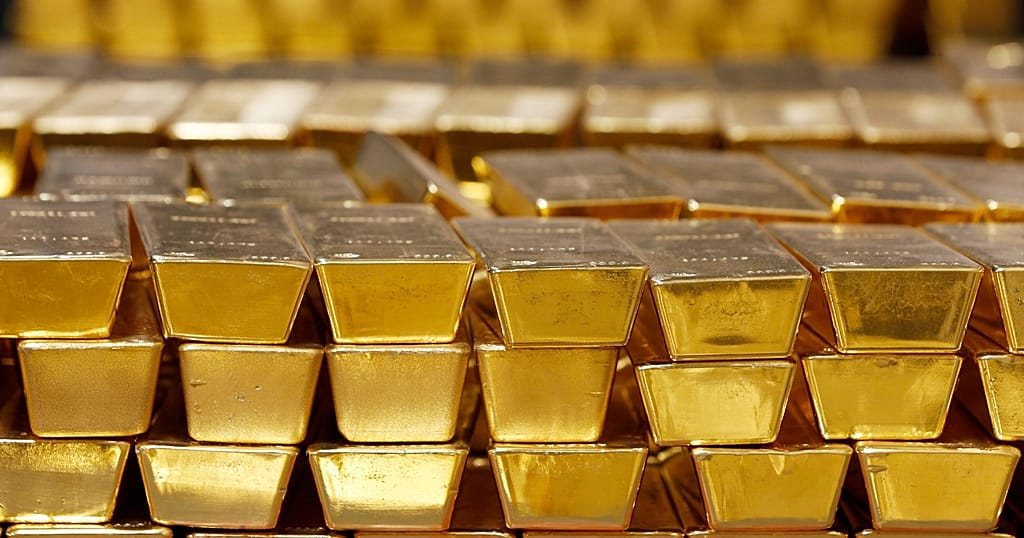
The price of gold dropped below $3,800 per ounce on Wednesday, its weakest level in more than a year, a slide that could have real consequences for several African economies that depend on the precious metal for foreign exchange, according to Africanews.
Citing Reuters, Africanews reported that gold fell as low as $3,742 an ounce on November 18, a decline of more than 2 per cent in a single session.
The fall comes after a period of exceptional strength for the metal and has drawn attention to the exposure of major producing nations on the continent.
Producers with the most at stake
Africanews identified Mali, Burkina Faso, Ghana and Tanzania among the African countries likely to feel the effects. For these states, gold is a major source of hard currency, which governments rely on to pay for imports and service external obligations.
In Mali and Burkina Faso in particular, gold is the single biggest export, according to TRT Afrika, as cited by Africanews. A sustained drop in prices would therefore translate fairly directly into lower export earnings for the two Sahelian countries.
The timing is also notable because several producing countries have been putting money into their gold industries in recent months. Burkina Faso, which Africanews describes as Africa's third-largest gold producer, opened its first gold refinery in September, a development seen as a significant step for the country's mining sector.
Investments of this kind are typically made on the expectation of strong revenues, which makes producers more sensitive to swings in the global price.
Prices still high by historical standards
Despite the latest slide, the gold market is far from a collapse. While Wednesday's decline could put pressure on the public finances of producing countries, the metal remains considerably more valuable than it was only a few years ago.
According to TRT Afrika, as reported by Africanews, gold reached a historic peak of more than $5,100 an ounce in January 2026. Even after falling back below $3,800, the price is still well above the levels seen in 2023, when gold traded at around $2,000 an ounce.
That means producers are still earning far more per ounce than they were before the recent rally, even if revenues are now lower than at the height of the boom.
What it means
The key question for African producers is whether the decline proves temporary or marks the start of a longer downturn. A brief dip would likely be absorbed with limited damage, given how high prices have been. A prolonged fall, however, could weigh on government budgets and foreign currency reserves in countries where gold dominates exports.
The latest movement highlights the vulnerability of economies that depend heavily on a single commodity, where shifts in global markets can quickly feed through to national finances.
Key points:
- Gold fell below $3,800 per ounce on Wednesday, its lowest level in more than a year.
- The price dropped as low as $3,742 on November 18, a fall of over 2 per cent, according to Reuters.
- Mali, Burkina Faso, Ghana and Tanzania rely on gold as a major source of hard currency.
- Gold is the biggest export for both Mali and Burkina Faso.
- Prices remain far above the roughly $2,000 per ounce recorded in 2023, despite falling from a peak above $5,100 in January 2026.
This story was prepared by the Hamasta Newsdesk with AI assistance, based on reporting by Africanews. Read the original report. Photo: Africanews.


Grow an audience that listens.
Social media management, digital campaigns and online storytelling that converts.



More in Business
See all
Waunifor–Flax Road upgrade eases produce transport for Elgeyo Marakwet farmers
Low earners and lecturers face February wait for tax relief and pay rise, says Mbadi

Kenya's exports to the US double to Sh116bn as solar cells join coffee and apparel

Ruto says farm subsidies are easing cost of living in State of the Nation Address

Murang'a lands Sh348.6m blended financing deal for Kiharu water project

Global Community Remarks
0