
Somalia's constitutional overhaul strains federal deal as president clashes with top court
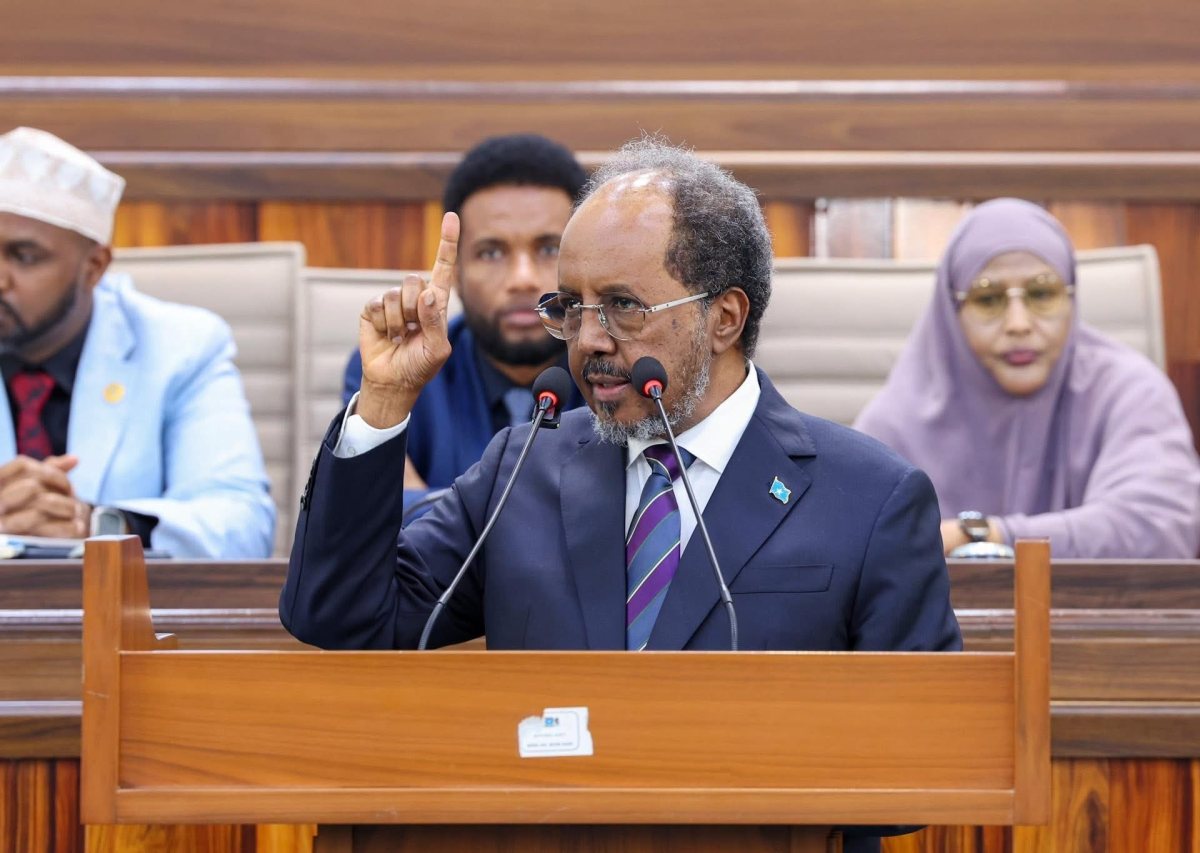
Somalia's long-running effort to rebuild a functioning state is under fresh strain after President Hassan Sheikh Mohamud dismissed the country's chief justice a day before the Supreme Court was due to rule on whether he had lawfully extended his time in office, according to Al Jazeera.
The presidency removed Chief Justice Bashe Yusuf Ahmed on November 4, citing complaints about the administration of justice. The following day, five judges went ahead with the case. They ruled that constitutional amendments lengthening presidential and parliamentary terms from four to five years could not be applied to those already in office, meaning their mandates had lapsed.
The government rejected the judgment and swore in a new chief justice, setting the presidency on a collision course with the country's highest court over the end of Mohamud's mandate and the timing of elections.
A deal left unfinished
The dispute is the latest chapter in a two-year fight over Mohamud's constitutional changes. Parliament passed the first amendments in 2024 and approved the rest in March 2026, closing a review process that began with the provisional constitution of 2012.
That 2012 document set up a federal system after decades of civil war, but left key questions on power and resources unresolved. Regional administrations, which had built their own forces and revenue streams after the central government collapsed in 1991, kept considerable independence.
The new changes give Mogadishu more authority over revenue, elections and intervention in member states. They also allow citizens to directly elect members of the federal lower house, though parliament will still choose the president.
Somalia's state minister for foreign affairs, Ali Mohamed Omar, told Al Jazeera that the old clan-based selection of MPs had denied governments public legitimacy, and that keeping the presidential vote in parliament was a compromise to win over some opposition groups.
Regions push back
Puntland and Jubaland have suspended cooperation with the federal government, arguing that the 2012 arrangement cannot be rewritten without their consent. Puntland President Said Abdullahi Deni has warned that Somalis may need to consider another way of living together if no solution is found.
The sharpest fallout has been in South West state. Federal troops ousted regional president Abdiaziz Hassan Laftagareen after Mogadishu rejected his re-election in March. His loyalists have since seized towns around Baidoa and clashed with government forces. Speaking from exile in Nairobi, Laftagareen told Al Jazeera he plans to return and remove the new administration led by Mohamud ally Sheikh Adan Mohamed Nur Madobe.
In June, fighting in Mogadishu between government forces and militias guarding a former president and prime minister paralysed part of the capital for two days. In Hirshabelle's Hiiraan region, armed fighters have occupied parts of administration offices in Beledweyne.
Somali academic Afyare Elmi told Al Jazeera the government was eroding the fragile consensus by forcing changes it could not enforce.
"This is one of the most dangerous times the Somali political system has faced," he said.
Supporters disagree. Federal lawmaker Mohamed Ibrahim Moalimuu called the president's move bold, while conceding that recent state elections were not entirely free and fair.
Shrinking outside support
Mohamud's allies now lead four of the six federal states. The electoral commission has set parliamentary polls for April 15, 2027, with parliament to elect the president on May 15, a timetable based on the extended terms the court rejected.
The opposition Somali Future Council turned down talks in November after its request for an international guarantor was refused, spokesperson Mohamed Mahmoud Dirie said.
The crisis comes as foreign support thins. The UN political mission closed in October at the government's request, the African Union mission fighting al-Shabab faces funding gaps, and Uganda plans to pull its contingent by the end of 2027. Tensions have also been sharpened by Israel's recognition of breakaway Somaliland at the end of 2025 and a row with the United Arab Emirates over port and security deals.
This story was prepared by the Hamasta Newsdesk with AI assistance, based on reporting by Al Jazeera. Read the original report. Photo: Al Jazeera.


Grow an audience that listens.
Social media management, digital campaigns and online storytelling that converts.



More in International
See all
Elon Musk calls record $446m midterm spending foolish after Republican losses

Crimean Bridge hit for third time this week, says Russian-installed official
Record 589 million children living in conflict zones, Save the Children says
At least one dead as migrant boat carrying about 100 capsizes off Senegal
Ukraine takes its war with Russia underground in old Soviet gas pipeline
Global Community Remarks
0