
Miami jury convicts Haitian-American pastor over 2021 killing of President Moise
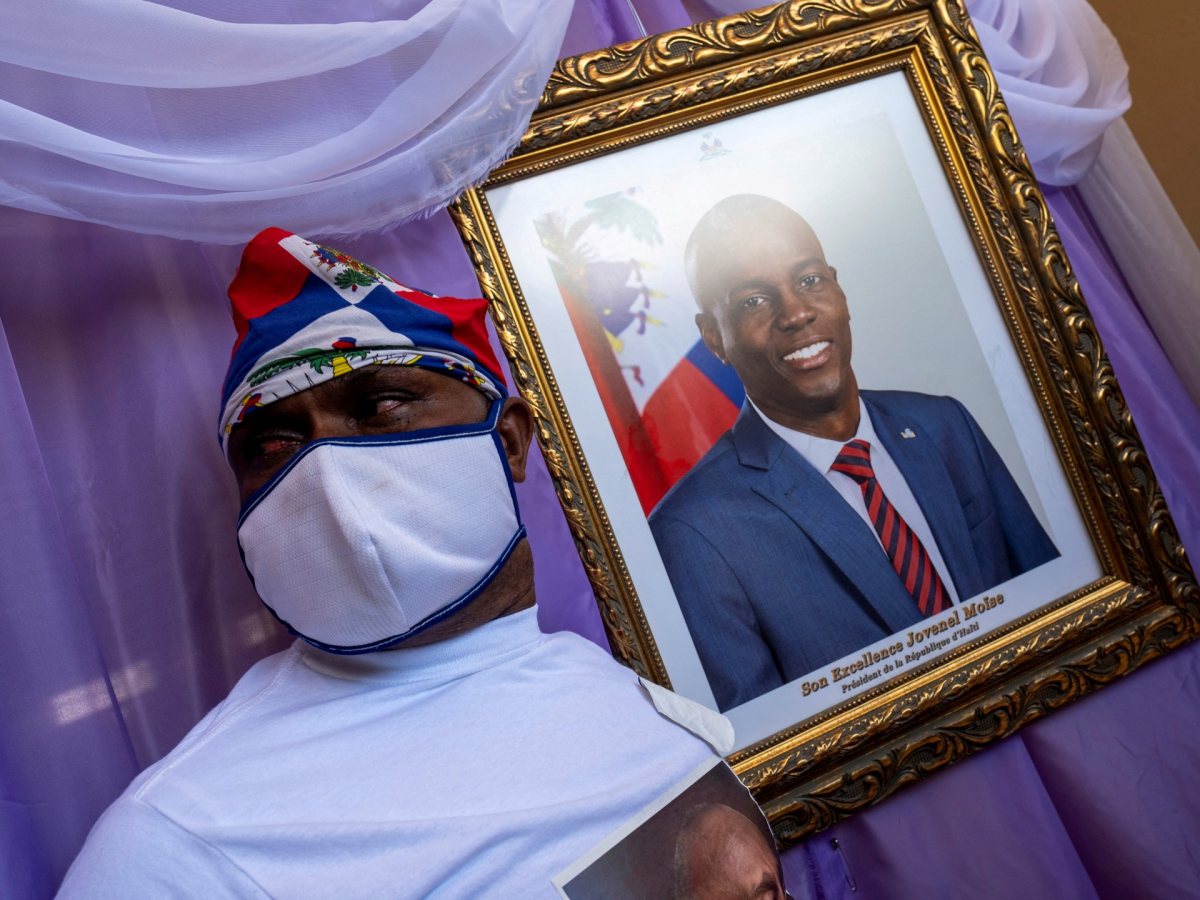
A federal jury in Miami has convicted a Florida-based pastor holding both Haitian and American citizenship over the 2021 assassination of Haitian President Jovenel Moise, according to Al Jazeera.
Christian Emmanuel Sanon, 68, was found guilty on Wednesday on all eight counts against him, among them conspiracy to kill the president. The verdict came after a trial lasting almost eight weeks.
Moise, 53, was shot dead at his home outside Port-au-Prince on July 7, 2021. Prosecutors had accused Sanon of seeking to take his place as head of state.
Pandemic funds and mercenaries
According to court records cited by Al Jazeera, prosecutors argued that the plot involved paying roughly two dozen foreign mercenaries using money drawn from US government programmes designed to support businesses during the COVID-19 pandemic.
They described South Florida as a centre for planning and financing the effort to remove Moise and install a leader chosen by the conspirators.
Haitian authorities have said the killing was carried out by a squad made up mostly of retired Colombian soldiers who posed as agents of the US Drug Enforcement Administration during a night-time raid. Moise's wife, Martine, was wounded in the attack.
Defence to appeal
Testifying in his own defence, Sanon admitted that he had at one stage been in contact with people seeking to replace Moise. However, he told the court the group had switched to a different candidate well before the assassination, and denied knowing of any plan to kill the president. He maintained his innocence throughout.
Sanon, who remains in federal custody, showed little emotion as the verdict was read. He faces a possible life sentence, with sentencing set for February 10.
His lawyer, Zeljka Bozanic, said the defence was disappointed and would lodge an appeal at the appropriate time. Prosecutors declined to comment after the verdict.
Sanon was arrested in Port-au-Prince days after the killing. A local police report seen by the Reuters news agency said officers searching his home found 19 passports, 12 mobile phones, eight vehicle number plates, 30 boxes of ammunition and 12 pistol holsters.
Wider prosecution
Martine Moise, who was flown to Florida for treatment of her gunshot wounds, was a key witness at the trial. She has since registered as a candidate in Haiti's 2027 general election, which will be the country's first in over a decade.
US prosecutors have so far charged more than 40 people in connection with the assassination. A dozen have been convicted, five of whom are serving life terms.
Seven further suspects have been charged with helping finance the plot and assisting those responsible to escape justice. They include gang leader Vitel'homme Innocent, who is linked to the kidnapping of 17 US and Canadian missionaries later in 2021 and has not yet been arrested. A fresh set of indictments released in September included four people whose names were redacted.
Still awaiting trial are Joseph Felix Badio, a former government anti-corruption official whom defence lawyers for other suspects have accused of masterminding the operation, and 17 former Colombian soldiers transferred from Haiti in September.
Haiti's deepening crisis
Haiti has had no president since Moise's death. A succession of transitional administrations has struggled as armed gangs, widely believed to be backed by corrupt politicians, have taken control of much of the capital and surrounding areas.
The UN Human Rights Office recorded 4,595 people killed in armed violence between January 1 and October 31 this year, according to Al Jazeera. The UN says nearly 1.5 million people have been forced from their homes amid overlapping economic, security and humanitarian crises.
Kenya has been closely involved in efforts to restore order in Haiti, having deployed police officers to lead a UN-backed multinational security support mission in the country.
This story was prepared by the Hamasta Newsdesk with AI assistance, based on reporting by Al Jazeera. Read the original report. Photo: Al Jazeera.


Take your event live to thousands.
Multi-camera live streams, panel discussions and digital broadcasts with professional crews.




More in International
See all
US warns of Houthi attack threat in Saudi Arabia as 350,000 Kenyans face travel disruption

Van Gogh's 'Chestnut Trees in Blossom' sells for record $190.4m after Nazi-era dispute

Elon Musk calls record $446m midterm spending foolish after Republican losses

Crimean Bridge hit for third time this week, says Russian-installed official
Record 589 million children living in conflict zones, Save the Children says
Global Community Remarks
0