
IEA: Hormuz crisis is the biggest threat to global energy security on record
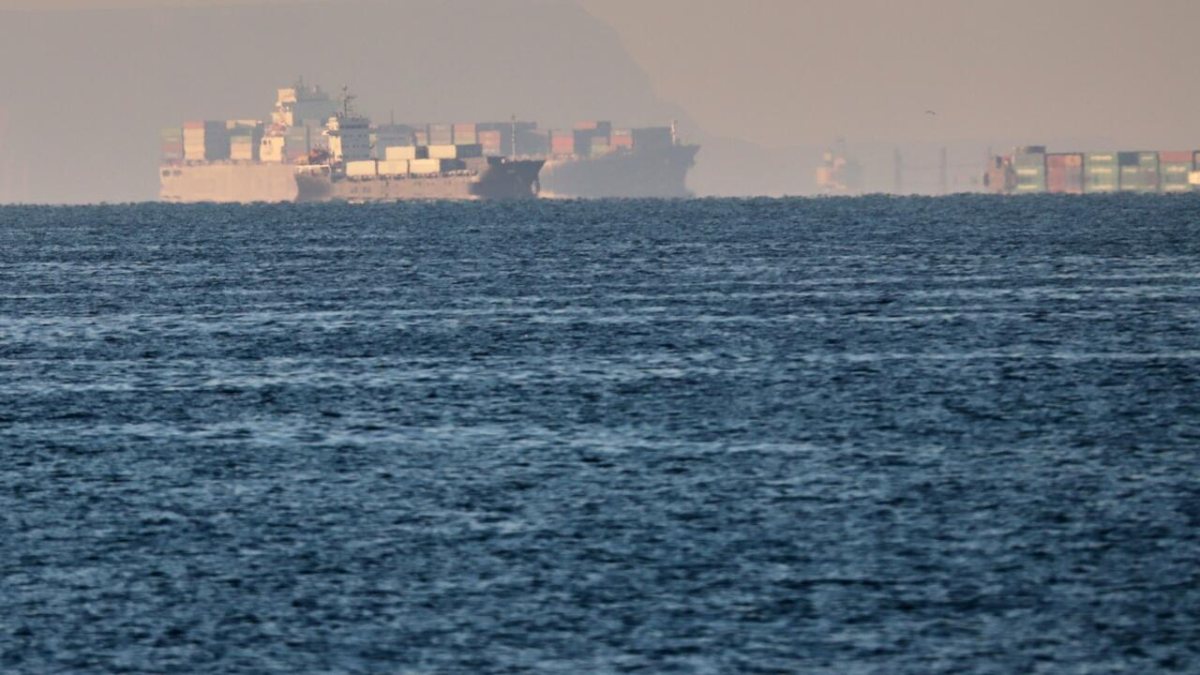
The conflict in the Middle East that began with US and Israeli strikes on Iran in February has become the most serious threat to global energy security ever recorded, the International Energy Agency (IEA) said on Thursday, according to France 24.
In its flagship annual World Energy Outlook, the Paris-based agency warned that households and businesses are increasingly paying the price as the world exhausts the measures it has used to cushion the shock to energy supplies.
The agency added that, as with earlier energy crises, the current one is certain to leave a lasting impact.
Hormuz blockade chokes Gulf exports
Gulf producers have struggled to ship oil since Iran began blockading the Strait of Hormuz and attacking tankers in the area following the February strikes, France 24 reported.
Before the crisis, the narrow waterway carried roughly a fifth of the world's oil shipments. The United States has tried to escort vessels through the channel, but supply routes remain heavily disrupted.
IEA Executive Director Fatih Birol wrote in his foreword to the report that the situation had created the
"largest threat to energy security in history"
He said its scale far exceeds that of the oil shocks of the 1970s.
Buffers running down
Birol acknowledged the steps taken to shield consumers. Producing countries have released more supply onto the market and turned to alternative routes, while China has reduced its purchases from international markets.
Even so, he noted that despite government interventions, consumers have faced higher prices and, in some places, outright shortages of supply.
The report said that, with other buffers being depleted, the burden of absorbing the disruption is shifting more and more onto consumers through high prices.
The assessment marks a gloomier view than the one Birol offered in July, when he said the oil market was still benefiting from several factors softening the blow.
Scenarios for the future
The IEA normally models three pathways in its outlook. The most cautious reflects policies already in force. A middle scenario includes policies governments have announced but not yet adopted. A third imagines a world that reaches net zero emissions by 2050.
Under the middle scenario, the agency expects global oil demand to peak around 2030 and then decline slowly, while gas demand is projected to keep rising until about 2035.
This year, the agency added two further scenarios exploring what could happen if the Middle East crisis drags on.
Birol said in a press release that the energy sector and the wider global economy had proved fairly resilient so far, but warned that the effects would deepen the longer the crisis continues. He added that he saw no credible way for the energy world to return to how it was before the conflict.
Climate talks backdrop
The report was released as countries gather in Turkey for the COP31 climate negotiations, according to France 24. Governments are facing pressure to act on climate change after a year marked by intense heatwaves and wildfires in Europe and deadly flooding in Nepal.
For import-dependent economies, including Kenya and much of East Africa, which rely on shipments of refined petroleum products, prolonged disruption to Gulf supply routes and higher global prices are likely to remain a key concern.
This story was prepared by the Hamasta Newsdesk with AI assistance, based on reporting by France 24. Read the original report. Photo: France 24.



Know what people say about you.
Media monitoring, audience insights and strategic communication for your brand.


More in International
See all
Miami jury convicts Haitian-American pastor over 2021 killing of President Moise
US warns of Houthi attack threat in Saudi Arabia as 350,000 Kenyans face travel disruption

Van Gogh's 'Chestnut Trees in Blossom' sells for record $190.4m after Nazi-era dispute
Elon Musk calls record $446m midterm spending foolish after Republican losses
Crimean Bridge hit for third time this week, says Russian-installed official
Global Community Remarks
0