
Stanbic Bank Kenya nine-month profit rises 10pc to Sh10.32bn
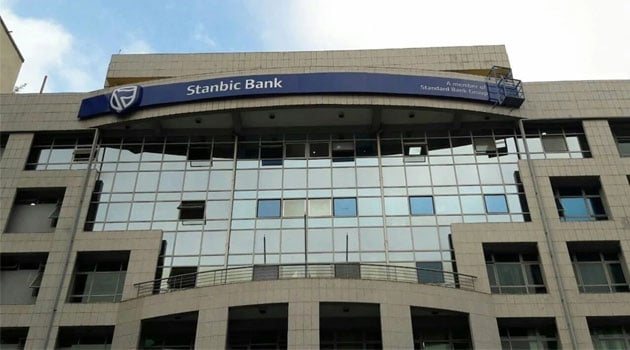
Stanbic Bank Kenya grew its profit after tax by 10 per cent to Sh10.32 billion in the nine months to September 2026, helped by stronger interest earnings and lower provisions for bad loans, according to Capital FM Business.
The lender's unaudited results show net profit up from Sh9.38 billion in the same period last year. The gain came even though income from fees and other non-lending activities fell.
Before tax, the bank earned Sh14.51 billion, a 12.5 per cent increase on the Sh12.90 billion posted a year earlier. Total operating income climbed seven per cent to Sh30.32 billion.
Interest income drives growth
Net interest income was the main engine of the improved performance. It rose 12.1 per cent to Sh22.99 billion from Sh20.51 billion, which Capital FM Business attributed to higher returns from loans, advances and holdings of government securities.
Non-interest income, however, dropped 6.2 per cent to Sh7.33 billion from Sh7.82 billion. The decline tempered the overall rise in operating income.
Costs were kept largely in check. Operating expenses edged up 2.5 per cent to Sh15.81 billion, compared with Sh15.43 billion in the corresponding period of 2025.
Lower provisions support earnings
Loan loss provisions, the money a bank sets aside to cover possible borrower defaults, fell 32.8 per cent to Sh1.68 billion from Sh2.50 billion. The drop gave a further lift to the bottom line.
Capital FM Business noted that the lower provisions reflect smaller impairment charges during the period, but cautioned that this does not mean all credit risks facing the bank have disappeared.
The bank's reported asset quality also improved. Gross non-performing loans stood at Sh20.56 billion at the end of September, down from Sh22.76 billion a year earlier.
Capital and liquidity
Stanbic remained comfortably above regulatory thresholds on both liquidity and capital:
- Liquidity ratio: 50.9 per cent, more than twice the statutory minimum of 20 per cent.
- Total capital ratio: 16.5 per cent, against a regulatory requirement of 14.5 per cent.
What to watch
The results point to a stronger performance in the bank's core lending and investment business. However, the fall in non-interest income remains an area to monitor as the lender seeks to keep revenue growing, according to Capital FM Business.
The board approved the financial statements on November 18, 2026.
This story was prepared by the Hamasta Newsdesk with AI assistance, based on reporting by Capital FM Business. Read the original report. Photo: Capital FM Business.




Show the impact of your work.
Impact stories, campaign videos and community engagement for NGOs and programmes.

More in Business
See all
Oparanya urges Kisii, Nyamira cooperatives to tap climate finance to cut costs
Jambojet cuts fuel costs by 16% using flight data and single-engine taxiing

US-Linked Consortium Picked for Ksh8 Trillion Mrima Hill Project as Joho Sets Conditions
.jpeg)
MPs strip Sh100m fine and CEO jail term from Local Content Bill

Masiyiwa's Cassava seeks KSh 129b to buy Nvidia AI chips for Kenya and Africa

Global Community Remarks
0