
Jambojet cuts fuel costs by 16% using flight data and single-engine taxiing
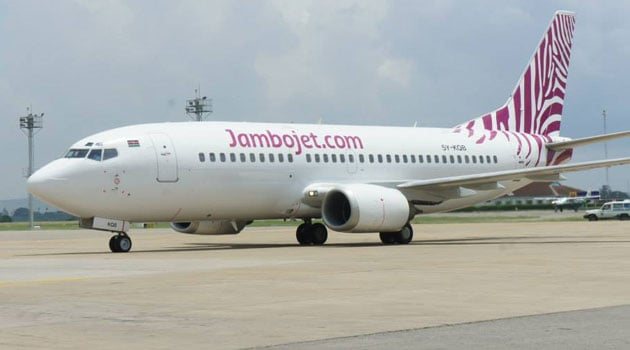
Kenyan low-cost airline Jambojet says it has reduced its fuel costs by roughly 16 per cent over the past four years after changing how its aircraft move on the ground, descend into airports and plan their fuel loads, according to Capital FM Business.
The carrier has adopted single-engine taxiing, gradual descent approaches and fuel planning based on detailed flight data. The aim is to keep operating costs in check while cutting the carbon emissions linked to its operations.
Jambojet Managing Director and Chief Executive Officer Karanja Ndegwa said the changes had produced savings that could be measured, while also supporting the airline's environmental goals.
"Over the last four years, we have saved about 16 per cent of our fuel costs by having these initiatives in place," Ndegwa said.
Fewer engines on the ground
One of the measures is single-engine taxiing. After landing, aircraft move along the ground using one engine rather than two, provided operational conditions and safety procedures allow it.
Fuel is a major expense for any airline, and engines running while a plane taxis to its stand burn fuel without carrying passengers anywhere, which makes ground operations a target for savings.
Easing off earlier on approach
The airline has also introduced gradual descent approaches. Under this method, pilots can reduce engine power earlier as the aircraft nears its destination, which limits the amount of fuel burned during the descent.
Data behind every flight
Beyond changes in the cockpit, Jambojet has built data analytics into its fuel planning. Its operations team reviews the performance of individual flights, looking at variables such as planned compared with actual fuel use, aircraft speed, temperature and route conditions.
These findings are then used to set more accurate fuel requirements for later flights. The goal is to lower the chance of aircraft carrying more fuel than they need, since extra weight increases fuel burn.
Jambojet Network Analyst Felix Ogutu told Capital FM Business that the airline tracks every flight continuously. He said this allows it to work out average fuel requirements and plan more effectively.
Safety comes first
The airline stressed that the fuel-saving measures do not override safety. Final decisions on how much fuel an aircraft carries still depend on operational requirements and the judgement of the captain, with safety taking priority over any cost consideration.
Environmental gains
The changes also carry an environmental benefit. Because carbon dioxide emissions from aircraft are directly tied to the amount of fuel burned, reducing fuel use also lowers the airline's emissions.
The moves come as airlines look for ways to contain operating costs while responding to growing pressure to reduce the environmental footprint of air travel.
Jambojet, a subsidiary of Kenya Airways, operates domestic and regional routes and is among the main carriers serving Kenya's domestic market.
This story was prepared by the Hamasta Newsdesk with AI assistance, based on reporting by Capital FM Business. Read the original report. Photo: Capital FM Business.



Know what people say about you.
Media monitoring, audience insights and strategic communication for your brand.


More in Business
See all
Oparanya urges Kisii, Nyamira cooperatives to tap climate finance to cut costs

Stanbic Bank Kenya nine-month profit rises 10pc to Sh10.32bn

US-Linked Consortium Picked for Ksh8 Trillion Mrima Hill Project as Joho Sets Conditions
.jpeg)
MPs strip Sh100m fine and CEO jail term from Local Content Bill

Masiyiwa's Cassava seeks KSh 129b to buy Nvidia AI chips for Kenya and Africa

Global Community Remarks
0