
MPs to probe persistent banditry and cattle rustling in Isiolo County
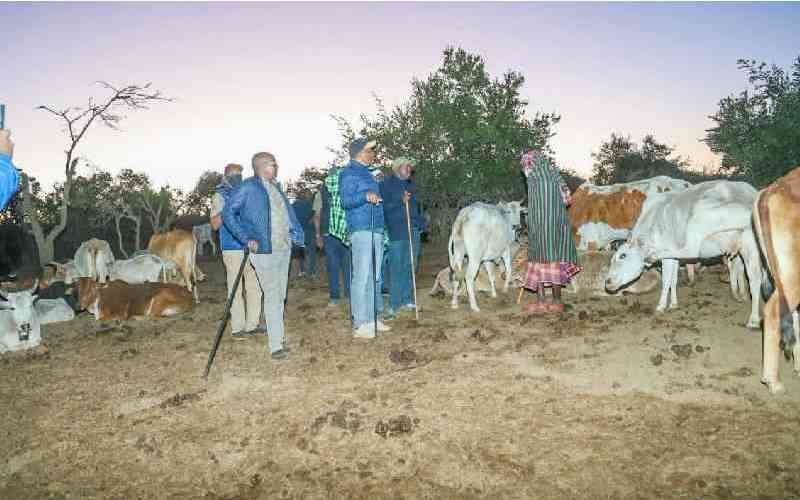
The National Assembly will examine the persistent banditry and cattle rustling in Isiolo County after Speaker Moses Wetang'ula referred petitions on the crisis to the Departmental Committee on Administration and Internal Security, according to The Standard.
The petitioners want tougher security measures, a national system to track livestock and firm action against what they describe as organised criminal networks driving the raids. The committee is required to consider the petitions and report its findings to both the House and the petitioners.
What the petitioners want
The petitions set out a wide range of demands, including:
- A permanent, well-resourced rapid-response framework in affected areas.
- A full assessment of lives, livestock, homes and businesses lost to banditry.
- A national livestock identification and traceability system.
- Amendments to the Prevention of Terrorism Act, 2012, to classify organised armed banditry and commercialised cattle rustling as terrorism.
- A law creating a Livestock Loss, Traceability, Compensation and Recovery Framework.
- A national financing mechanism and a pastoralist restocking and economic recovery fund.
- Independent investigations and prosecution of public officers suspected of financing, facilitating or concealing banditry.
The petitioners argue that treating organised rustling as ordinary stock theft or robbery lets the financiers and organisers of criminal syndicates escape the tougher measures available under counter-terrorism law.
They also say that without an effective national identification system, stolen animals can be moved into other counties and sold, making recovery difficult once they leave the area where they were taken.
Speaker outlines toll on communities
Conveying the petitions to the House, Wetang'ula said Isiolo had suffered recurrent armed attacks and livestock raids that have caused deaths and injuries, destroyed homes and infrastructure, displaced families and forced schools and health facilities to close.
He noted that the county's economy depends largely on pastoralism, meaning livestock theft has badly hurt livelihoods and food security.
According to the Speaker, the petitioners describe cattle rustling as having changed into "a commercialised and heavily armed criminal enterprise" causing large-scale losses across the Northern Frontier and North Rift regions.
He also highlighted their concern that there is currently no legal framework or structured programme to compensate families who lose relatives in such attacks.
The petitioners told the House they had taken their grievances to the local administration and security agencies, but that the interventions had not adequately addressed their concerns.
Wetang'ula committed the petitions to the committee after determining that the matters fell within Parliament's authority and were not pending before a court or any other constitutional or legal body.
Protest preceded petition
The parliamentary move follows mounting pressure over insecurity in Isiolo and the wider north, including a demonstration on October 7.
Abdikadir Suleiman, who was involved in organising the protest, told The Standard that it was meant to draw national attention to the worsening situation as residents lost livestock and families suffered.
He said the demonstration was followed by efforts to formalise the community's grievances through a petition, so that security, cattle rustling, the recovery of stolen animals and compensation could be considered by Parliament.
Wider implications
The issues raised go beyond Isiolo, touching on security and the pastoral economy across Kenya's northern frontier and North Rift, where armed raids and the movement of stolen animals across administrative boundaries have hampered efforts to contain insecurity.
The demand for a probe into public officials suspected of aiding banditry could, if pursued, widen the inquiry from security operations to questions of accountability within government.
For affected communities, the key test will be whether the committee's work leads to concrete measures on security, livestock tracking, recovery of stolen animals, compensation and accountability.
This story was prepared by the Hamasta Newsdesk with AI assistance, based on reporting by The Standard. Read the original report. Photo: The Standard.

Tell your story on screen.
Commercials, documentaries, interviews and social video, from script to final cut.





More in Politics
See all
Kakamega leaders seek tighter scrutiny of county procurement and spending

Vijana wa Rais youth group shows off branded Defenders for Ruto re-election drive

Gachagua, Kalonzo and Sifuna lead opposition walkout from IEBC talks over agenda

Citizen TV confirms Lulu Hassan's political plans after UDA meeting

Tribunal Fast-Tracks Member's Challenge to Sifuna's Linda Mwananchi Movement
Global Community Remarks
0