
Saudi Arabia Introduces Mandatory Skills Exams for Foreign Workers in 1,000+ Jobs
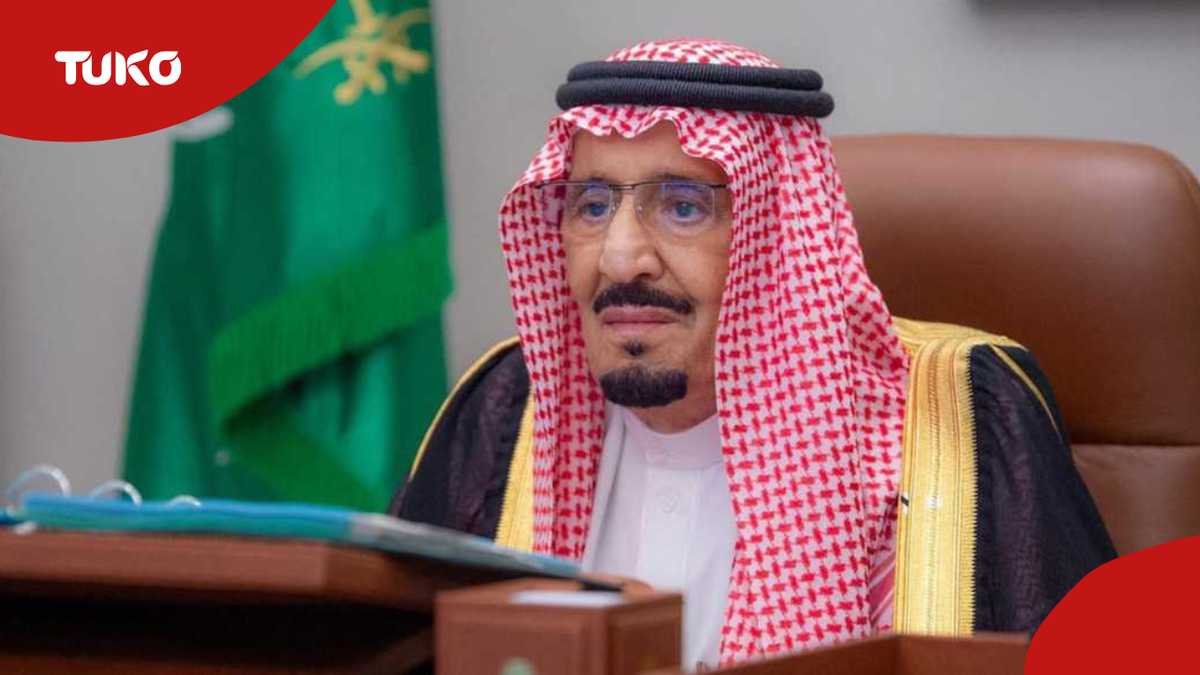
Saudi Arabia has introduced compulsory skills assessments for foreign workers in selected occupations, a move that adds a fresh requirement for Kenyans and other Africans hoping to secure jobs in the Gulf nation.
According to Tuko, the Kingdom's Ministry of Human Resources and Social Development (HRSD) rolled out the scheme, called the Professional Verification initiative, as part of a drive to raise standards in its labour market.
The programme was launched jointly with Saudi Arabia's Ministry of Foreign Affairs and the Technical and Vocational Training Corporation.
What the exams involve
Under the initiative, skilled foreign workers in the targeted professions must sit both practical and theoretical examinations in their fields of specialisation. The results will be used to decide whether a candidate meets the professional standards needed for employment in the Kingdom.
The scheme covers more than 1,000 specialised professions spread across 23 fields of expertise, the HRSD said. These occupations are grouped under the Saudi Standard Classification of Occupations.
Two separate tracks
The programme runs on two tracks, Tuko reported:
- Workers yet to travel: Foreigners who have not yet moved to Saudi Arabia must take their exams at selected international testing centres in their home countries before work visas can be issued.
- Workers already in the Kingdom: Skilled employees currently working in Saudi Arabia must be verified at certified local examination centres.
The ministry said enforcement will be phased in gradually, depending on the size of the employing establishment.
Examination centres that wish to be licensed to administer the tests have been asked to register through the programme's portal.
Why Riyadh is making the change
The verification scheme is part of a broader Professional Accreditation system aimed at regulating the labour market and lifting employment standards across the Kingdom.
According to the HRSD, the goals are to curb the entry of unqualified workers, improve the quality of services offered by skilled professionals, and bring workforce competencies in line with international standards.
What it means for Kenyans
For Kenyan job seekers, the new rules mean an extra step for anyone whose occupation falls within the targeted categories. Such applicants will need to prove they meet the required professional standards before their Saudi work visas can be processed.
However, the exam is not automatically required of every foreign worker. Whether one must sit it depends on the specific occupation and the verification category that applies, Tuko noted.
Prospective workers have been advised to seek further details from Saudi Arabia's Ministry of Human Resources and Social Development.
Jobs pledge for Kenyans
The development comes against the backdrop of growing labour ties between Nairobi and Riyadh. Tuko previously reported that Saudi employment agencies had committed to offering 293,600 job opportunities to Kenyans following talks between Labour Cabinet Secretary Alfred Mutua and Saudi officials.
Those openings cut across several sectors, including healthcare, construction, hospitality, teaching, transport, manufacturing and domestic work.
Mutua said the discussions also touched on worker training, pay, recruitment costs and stronger protections for employees.
Saudi Arabia remains one of the leading destinations for Kenyans seeking employment abroad, making changes to its work permit rules of direct interest to thousands of job seekers and recruitment agencies in the country.
This story was prepared by the Hamasta Newsdesk with AI assistance, based on reporting by Tuko. Read the original report. Photo: Tuko.




Show the impact of your work.
Impact stories, campaign videos and community engagement for NGOs and programmes.

More in International
See all
Venezuela and US sign military pact months after Maduro's capture

Trump, Putin and Xi issue joint peace declaration after first three-way talks

Senegal's Faye enacts 2026 budget by decree to unlock $2.2bn IMF bailout
Somalia expels UAE ambassador, accuses Abu Dhabi of 'open invasion'

Germany's Wadephul says Berlin talks send Moscow a strong signal on Ukraine peace
Global Community Remarks
0