
AG returns to Court of Appeal to halt ruling on Cabinet gender balance
The Attorney-General has made a second attempt to persuade the Court of Appeal to suspend a High Court judgment that found President William Ruto's Cabinet unconstitutional for breaching the two-thirds gender rule, according to Nation Kenya.
In the new application, the State argues that enforcing the judgment before its intended appeal is determined could disrupt government operations. It warns that compliance would set off fresh nominations, parliamentary vetting and administrative changes.
The application, dated November 18, was filed by Principal State Counsel Christopher Marwa. It names rights groups and activists, led by Katiba Institute and the Kenya Human Rights Commission, as respondents.
Earlier bid withdrawn
The filing follows a similar application lodged on October 6 seeking to suspend the same judgment. Nation Kenya reports that the Court of Appeal declined to certify that request as urgent. The State withdrew it on November 18 after the judges raised procedural concerns, and no stay was issued.
The High Court judgment, delivered on June 30, therefore remains in force. It gave the President 120 days to correct the gender imbalance, a deadline that lapsed on October 28.
What the High Court found
The case grew out of President Ruto's dismissal of most Cabinet Secretaries on July 11, 2024, in the wake of nationwide protests against the Finance Bill. He later sent nominees to Parliament for approval, bringing back several members of the dissolved Cabinet.
Four petitions, later consolidated, challenged the nominations, vetting and appointments. The petitioners argued that the Cabinet, as an appointive public body, must meet the gender threshold without waiting for Parliament to pass enabling legislation. They also questioned the transparency and fairness of the 2024 process.
The High Court upheld most of the appointment process but ruled that the Cabinet's gender make-up violated the Constitution. When judgment was delivered, the Cabinet had 25 members, comprising the President, the Deputy President, the Attorney-General and 22 Cabinet Secretaries. Eighteen were men and seven were women.
Article 27(8) of the Constitution requires the State to ensure that not more than two-thirds of members of any elective or appointive public body are of the same gender. The court declared that the provision is immediately binding and fully enforceable in appointive bodies, including the Cabinet.
The State's case
The Attorney-General contends that the High Court misread how Article 27(8) relates to Article 152, which defines the Cabinet's membership and empowers the President to nominate Cabinet Secretaries subject to approval by the National Assembly. The State also disputes the finding that the gender requirement takes effect immediately.
In a supporting affidavit, Arthur Osiya, Principal Administrative Secretary in the Executive Office of the President, says compliance could require new nominations, approvals, appointments and transitions that might be completed before the appeal is decided, changing the very Cabinet under challenge.
The application, he states, "seeks to preserve the position obtaining at the date of judgment pending appellate determination."
Mr Marwa describes the dispute as raising questions of grave public interest for the whole country, given the central role Cabinet decisions play in running government.
The State further argues that if Cabinet changes are made and the appeal later succeeds, the earlier position may not be fully restored. It is asking the Court of Appeal to stay the operation, implementation and enforcement of the High Court orders, or to issue other interim directions.
The application is yet to be determined.
This story was prepared by the Hamasta Newsdesk with AI assistance, based on reporting by Nation Kenya. Read the original report.




Show the impact of your work.
Impact stories, campaign videos and community engagement for NGOs and programmes.

More in Politics
See all
Ruto dares Opposition to name 2027 candidate, renews attack on Gachagua
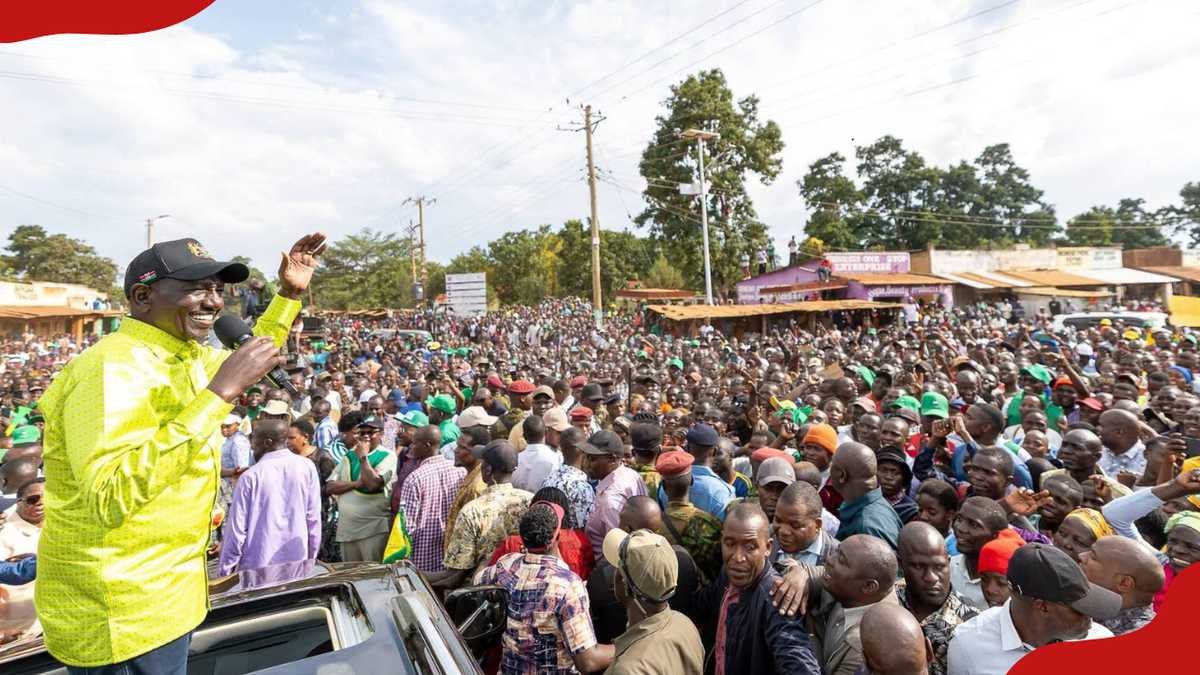
Waluke backs Linda Mwananchi's Wanyonyi for Bungoma governor at Ruto's Webuye rally
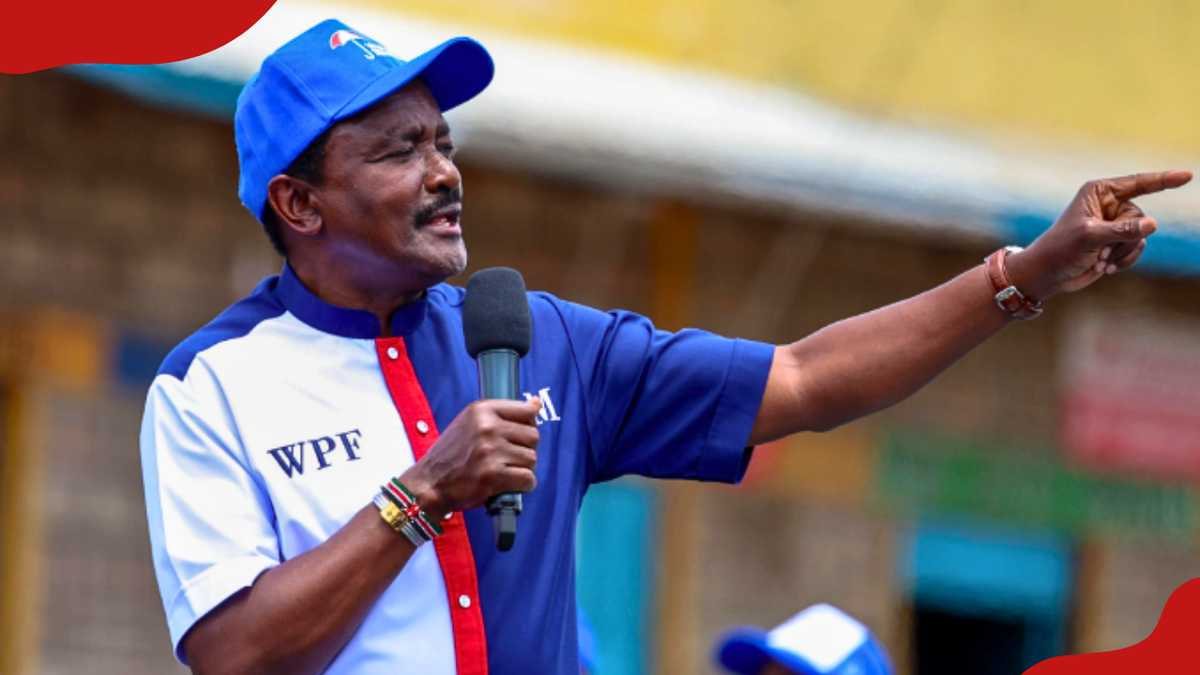
Kalonzo says Interior CS Murkomen could back his 2027 presidential bid
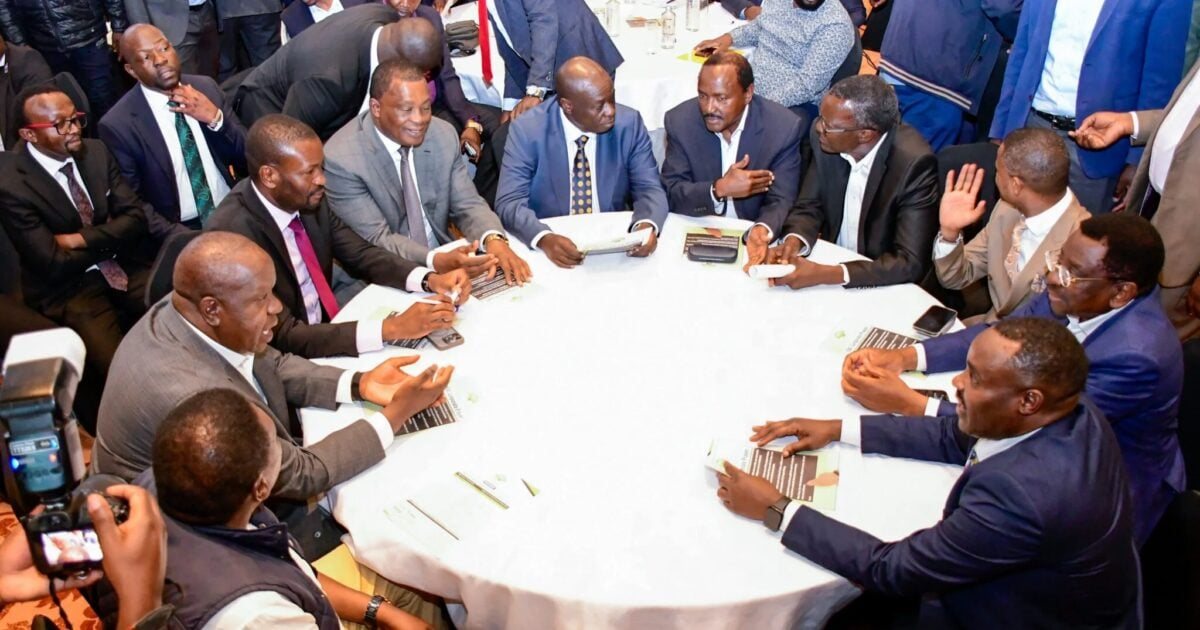
IEBC apologises to party leaders after chaotic meeting as UDA threatens boycott

Ruto dismisses opposition's IEBC concerns, says votes belong to Kenyans

Global Community Remarks
0