
Uganda presses rich nations for climate cash at COP31, defends oil and carbon plans
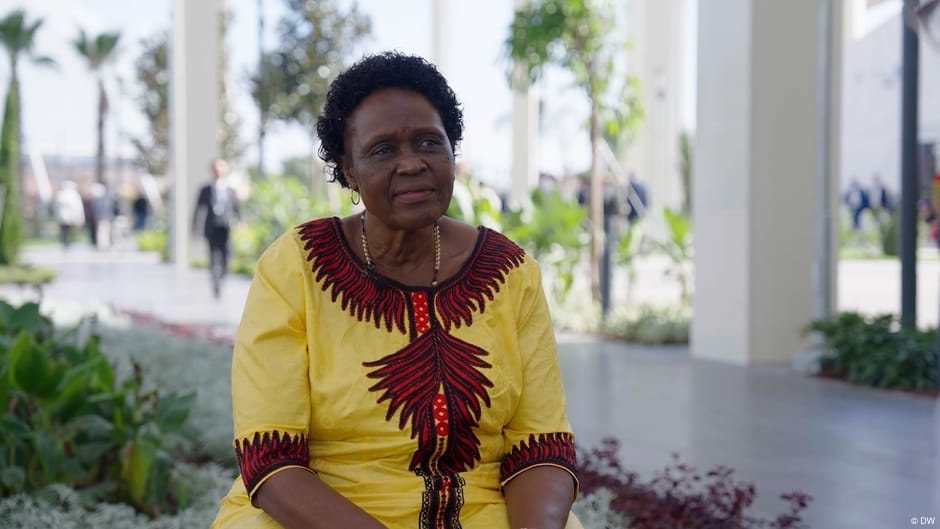
Uganda's environment minister has accused wealthy countries of failing to deliver the money they promised to help poorer nations cope with climate change. She argued that Uganda must be allowed to draw on its oil and natural resources to pay for development and a shift to cleaner energy.
Beatrice Atim Anywar, who leads Uganda's delegation at the COP31 UN climate summit in Antalya, Turkey, told DW News that her government had come looking for more funding. She said climate change was already displacing people, worsening hunger and costing lives.
Disasters straining budgets
In recent years Uganda has suffered deadly landslides, floods that have swept away villages, and droughts that have hurt harvests and cut hydroelectric output. Anywar said these shocks were affecting public health, food security, livelihoods and the national budget.
Climate finance has become one of the most contentious issues at this year's talks, according to DW News. Some 200 countries are trying to agree on how to scale up support from developed nations and whether it should come as grants or loans.
Africa produces less than 4% of the world's greenhouse gas emissions, yet it is among the regions most exposed to the effects of a warming planet.
Moving away from charcoal
Uganda, home to about 53 million people, still depends heavily on wood and charcoal. More than 90% of households use them as their cheapest cooking fuel, and biomass makes up 90% of final energy consumption. Electricity, mostly from hydropower, provides only about 2% of the country's energy, and fewer than half of Ugandans have access to it.
Anywar said the government was expanding hydropower and making electricity cheaper for cooking. She added that charcoal use should be phased out gradually, with households given alternatives first.
Controversial pipeline
Alongside renewables, Uganda is preparing to become an oil producer. The 1,443-kilometre East African Crude Oil Pipeline, which links oil fields in Uganda to a port on Tanzania's coast, is nearly complete and is due to start operating in 2027. It will be able to carry up to 246,000 barrels a day.
Environmental groups oppose the project. They say it undermines global efforts to limit warming and threatens fragile ecosystems. The Climate Accountability Institute estimates it will release 379 million tonnes of climate-heating pollution over its 20-year lifespan. Some of the oil wells, run by French company TotalEnergies, lie inside Murchison Falls, Uganda's largest and oldest national park.
Anywar admitted the pipeline has been a difficult issue for Uganda at climate summits. However, she said steps had been taken to curb emissions and that the project was being handled carefully. She said oil revenues could help pay for the clean energy transition.
"You cannot tell us to cut off the umbilical cord that feeds us," Anywar told DW News.
She said developing nations needed a "just transition", meaning a fair move away from fossil fuels that protects workers and communities. She complained that countries like Uganda were pleading for funds that never arrived.
Hopes for carbon credits
The minister also described carbon credits as a possible breakthrough for financing adaptation. Each credit represents one tonne of carbon dioxide reduced or removed through projects such as forest protection, tree planting or renewable energy. Companies and governments buy them to offset emissions they have not cut themselves.
Anywar said Uganda hopes its rich biodiversity will attract investors. Carbon credits have been promoted as a source of income for developing countries, but critics say the market lacks transparency and lets polluting activities continue.
The minister said every intervention must be bankable to work. She added that Uganda also wants investment and partnerships in climate-smart agriculture and the energy transition, warning that relying only on donor pledges would leave the country empty-handed.
This story was prepared by the Hamasta Newsdesk with AI assistance, based on reporting by DW News. Read the original report. Photo: DW News.
Every moment, captured beautifully.
Events, corporate portraits, products and editorial shoots by our newsroom photographers.





More in Environment
See all
Greenpeace protests at COP31 in Turkey, says climate finance push is stalling
Kenya Red Cross gets 31 boat engines from ICRC to boost flood rescues

Kenya Met forecasts rain and thunderstorms across counties on November 20
COP31 draft deal drops all mention of fossil fuels as Turkey talks near deadline
.jpeg)
KWS: Fishing Nets and Maize Stalks Killed Two Lake Naivasha Hippos
Global Community Remarks
0