
Greenpeace protests at COP31 in Turkey, says climate finance push is stalling
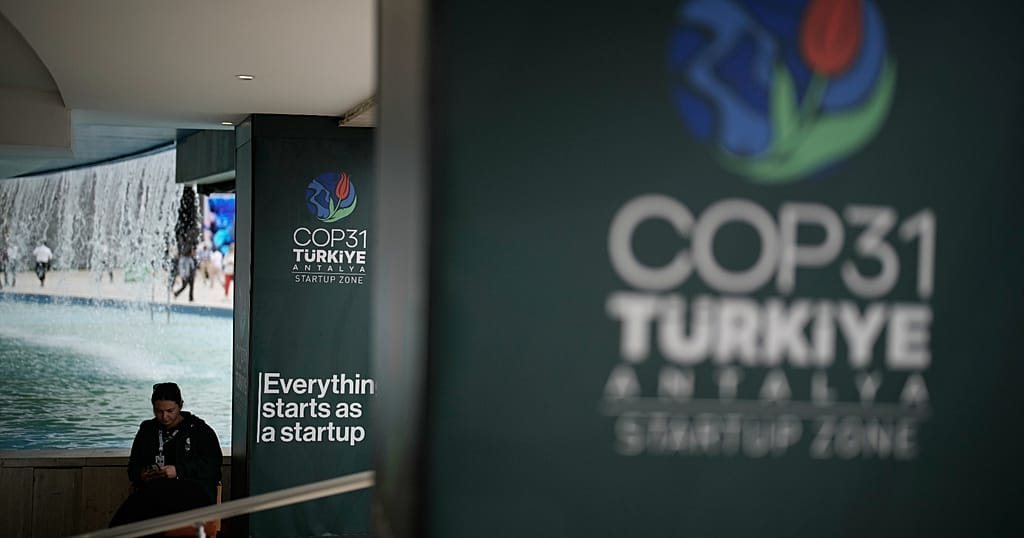
Greenpeace activists have staged a protest at the COP31 United Nations climate talks in Turkey. The environmental group says negotiations are moving far too slowly and that developed countries are resisting their duty to fund climate action in poorer nations, according to Africanews.
The demonstration comes as the conference enters its second and final week in the resort town of Antalya. Small island nations are also using the talks to warn that the climate crisis threatens their very existence.
Finance at the heart of the dispute
Hanen Keskes, political campaigns lead at Greenpeace Middle East North Africa, spoke to the Associated Press on the sidelines of the protest. She described progress at the summit as disappointing.
"We're not seeing much implementation because of the key issue, which is climate finance," Keskes said.
Keskes said developed countries were pushing back against putting their commitments into practice. She argued that the money owed to developing countries should be public, fair, accessible and adequate.
Her remarks point to the central fault line of the talks. The question of who pays for climate action, and how much, continues to divide wealthier and poorer nations.
Island nations raise the alarm
Small island states form a small but vocal bloc within the UN climate process, according to Africanews. Their delegations are pressing the wider world to act on a crisis they say endangers their survival.
Their concerns have grown more urgent in recent months. The Antalya talks follow a period marked by climate-induced disasters and geopolitical shocks. An intensifying El Niño weather pattern is also making life even more precarious in the world's smallest countries, the report said.
For island nations, the stakes in the negotiations are especially high. Their limited size and resources leave them heavily exposed to the effects of a warming planet.
Final week of negotiations
With the conference now in its closing stretch, campaigners are increasing pressure on delegates to deliver results before the summit ends. Greenpeace's protest is intended to push negotiators towards concrete action rather than further delay.
The group's message is that pledges alone are not enough. It wants countries to follow through on promises already made, particularly on funding for developing nations.
Why it matters for Africa
The climate finance debate is closely watched across Africa. Many countries on the continent, Kenya among them, have long argued that they contribute little to global emissions yet bear a heavy share of the impacts. African governments have repeatedly called for wealthier nations to provide more support for adaptation and recovery.
Whether the final days in Antalya produce progress on finance is likely to shape how developing countries, both in Africa and among the island states, judge the outcome of COP31.
It remains unclear what agreements, if any, delegates will reach before the conference closes.
This story was prepared by the Hamasta Newsdesk with AI assistance, based on reporting by Africanews. Read the original report. Photo: Africanews.



Know what people say about you.
Media monitoring, audience insights and strategic communication for your brand.


More in Environment
See all
Uganda presses rich nations for climate cash at COP31, defends oil and carbon plans
Kenya Red Cross gets 31 boat engines from ICRC to boost flood rescues

Kenya Met forecasts rain and thunderstorms across counties on November 20
COP31 draft deal drops all mention of fossil fuels as Turkey talks near deadline
.jpeg)
KWS: Fishing Nets and Maize Stalks Killed Two Lake Naivasha Hippos
Global Community Remarks
0