
Kenyan women farmers up to 25% less likely to get digital climate advice – CGIAR
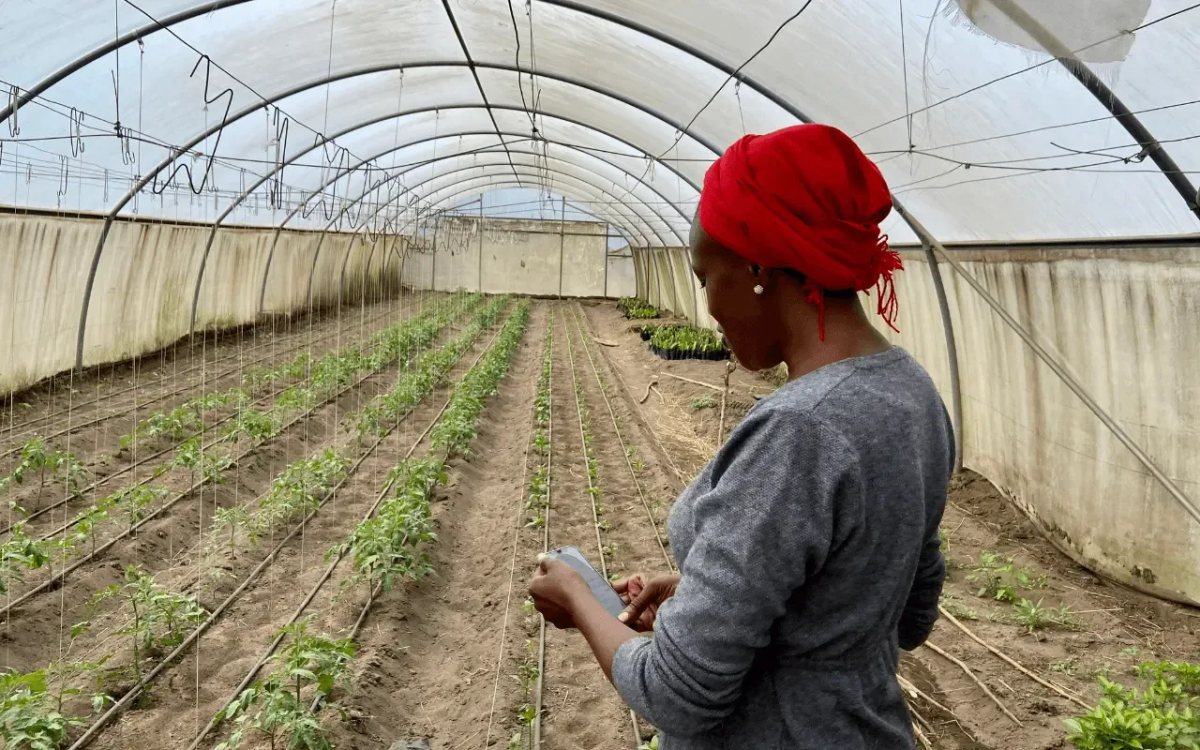
Women in Kenya are up to 25 percent less likely than men to use digital climate advisory services, according to a new report by the global agricultural research partnership CGIAR, which warns that the shift to digital farming tools could leave women farmers behind.
The report, reported by Capital FM Business, points to lower mobile phone ownership, weaker digital literacy and restrictive social norms as the main obstacles keeping women from using technologies that deliver weather forecasts, climate information and farming advice.
The findings raise questions over whether women, who play a major role in food production and rural livelihoods, are gaining as much as men from the growing number of digital agricultural platforms.
A global gap
The problem is not limited to Kenya. Worldwide, women are eight to nine percent less likely than men to own a mobile phone and about 14 percent less likely to use mobile internet, the report says. The widest gaps were recorded in Asia and sub-Saharan Africa.
CGIAR cautioned that unless these inequalities are tackled, the expanding use of digital technology in agriculture risks widening rather than narrowing the divide between men and women farmers.
Billions at stake
Titled Advancing Equality, Transforming Futures: A Path to Resilient and Productive Food, Land and Water Systems in 2050, the report estimates that inclusive digital systems could lift about 30 million women out of extreme poverty and add roughly 1.5 trillion US dollars to the global economy by 2050.
Those gains, it says, hinge on women being able to access, control and help shape digital systems. It urges technology developers to involve women in designing and rolling out new tools, including artificial intelligence, and to offer training so they can use them effectively.
Wider barriers
Beyond technology, the report highlights longstanding hurdles facing women in agriculture. These include:
- Limited ownership of land
- Heavy burdens of unpaid care and domestic work
- Restricted mobility
- Little control over financial resources
Climate change could make some of these worse. CGIAR projects that falling water availability could increase the time women spend fetching water by 30 percent.
Shift to off-farm work
The report also expects more rural women to move into off-farm jobs by 2050, with openings in retail, processing and logistics. It warns, however, that not all women will benefit equally from this transition.
To help women seize opportunities within and outside farming, CGIAR recommends better working conditions, wider access to financial services and lower costs of starting a business.
It further calls for more investment in women's collectives and youth groups, and for engagement with customary leaders to challenge social norms that entrench gender inequality.
Structural change needed
CGIAR Executive Managing Director Ismahane Elouafi said choices made in the coming years would decide whether food, land and water systems become fairer and more resilient.
Nicoline de Haan, Director of the CGIAR GENDER Accelerator, said closing the gender gap demanded structural changes across food systems rather than one-off interventions. She called for women to be placed in leadership roles in shaping the future of agriculture and related sectors.
This story was prepared by the Hamasta Newsdesk with AI assistance, based on reporting by Capital FM Business. Read the original report. Photo: Capital FM Business.




Show the impact of your work.
Impact stories, campaign videos and community engagement for NGOs and programmes.

More in Business
See all
California subpoenas Nvidia over whether China obtained its chips or secrets

Smaller banks outpace big lenders on fixed deposit returns as rates ease
Equity signals higher dividend as nine-month profit rises 32% to Sh68.7bn

APA Life, Apollo Asset Management host SACCO leaders on reforms and governance

Anthropic shares jump 34% on Nasdaq debut after record $81bn IPO
Global Community Remarks
0