
US judge allows Trump defamation suit against New York Times and Penguin to proceed
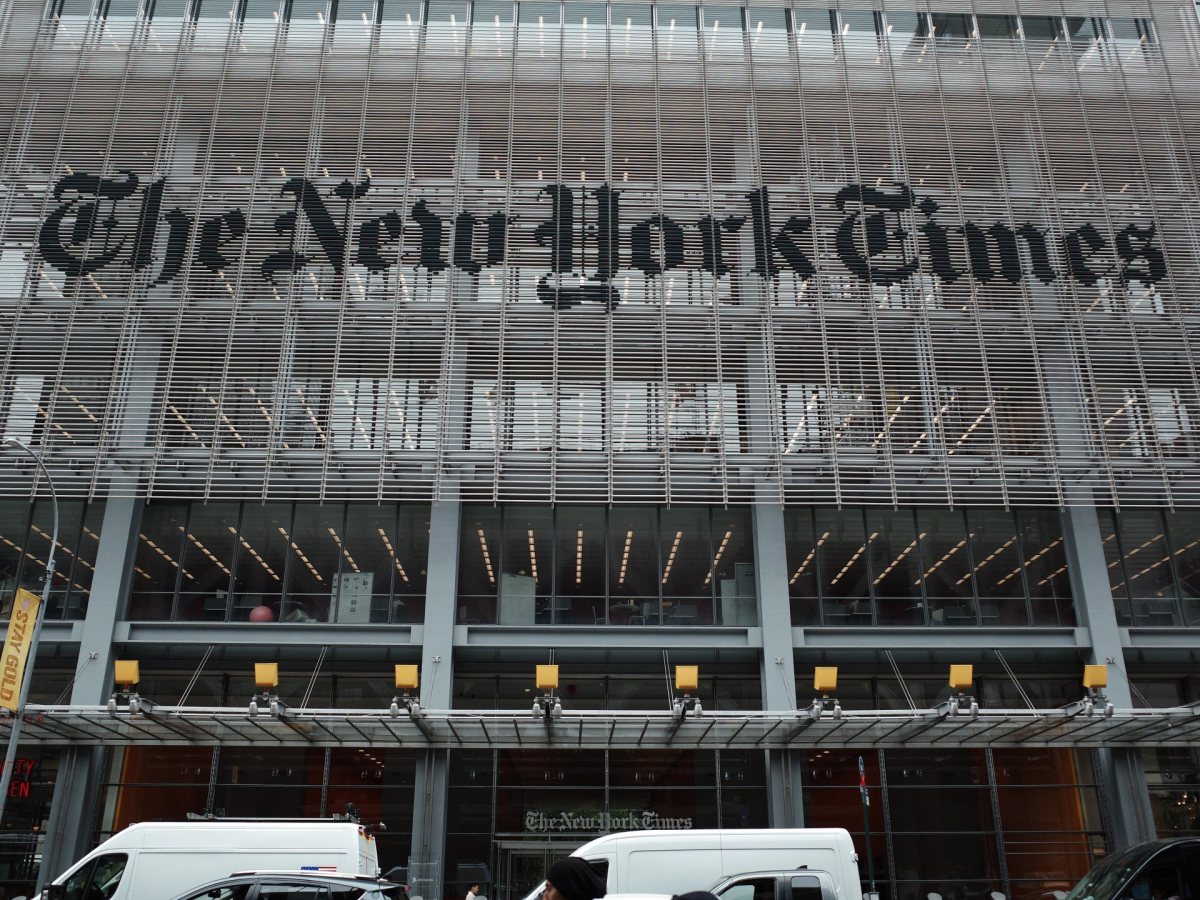
A federal judge in the United States has ruled that President Donald Trump's defamation lawsuit against The New York Times and publisher Penguin Random House can go ahead. The decision hands Trump a win in his wider legal fight with media organisations he says have covered him unfairly, according to Al Jazeera.
US District Judge Steven Merryday issued the ruling on Thursday in federal court in Tampa, Florida. Merryday was appointed by former President George HW Bush. He struck out two of Trump's claims but allowed the rest of the complaint to stand.
What the judge found
In his ruling, the judge said the surviving parts of the complaint plausibly argued that statements accusing Trump of planning and carrying out complex crimes rested on "incomplete, minimal information".
The decision does not settle whether the newspaper and publisher defamed the president. It allows the case to continue through the courts.
The book and articles at the centre of the case
Trump's lawsuit targets a book and two newspaper articles that questioned his long-promoted image as a shrewd businessman who rose through the real estate and entertainment worlds.
He cited 22 statements from a book by Times journalist Peter Baker, titled For Trump, a Lifetime of Scandals Heads Toward a Moment of Judgment. He also cited 12 statements from articles written by Susanne Craig and Russ Buettner.
The disputed passages deal with matters including:
- Trump's part in creating the reality television show The Apprentice;
- the inheritance he received from his father;
- his business dealings;
- his upbringing in New York City.
Trump argues that the material was false and damaging, and that it was intended to undermine his bid for the presidency in 2024, an election he went on to win.
Defence says case is flawed
The New York Times and Penguin Random House deny defaming Trump. In court papers, they described the lawsuit as legally defective and politically motivated.
In their motion seeking dismissal, the two companies argued that Trump had not shown how the statements were defamatory. They also said some of the contested material amounted to subjective opinion that cannot be proven either true or false.
Representatives for the Times, Penguin Random House and Trump's personal lawyers did not immediately respond to requests for comment, Al Jazeera reported.
Part of a wider battle with the media
Trump has brought a series of lawsuits against media companies since 2024. In them, he accuses outlets of defaming him or misleading the public through false reporting. Critics say the cases amount to an assault on press freedom.
The Tampa ruling came only days after another judge allowed Trump's $10bn defamation claim against the BBC to proceed. That case accuses the British broadcaster of misleadingly editing a documentary about the 6 January 2021 riot at the US Capitol in order to harm his reputation.
He is also pursuing a $10bn lawsuit against The Wall Street Journal, which he refiled in May after it was dismissed. In September, he sought to exclude CNN, MS Now and Politico from the White House and its press pool. A federal judge later blocked that blanket ban.
Press freedom ranking falls
Press freedom watchdog Reporters Without Borders (RSF) said earlier this year that the US had sunk to a historic low in its annual index, extending a decline that has lasted a decade.
During the first year of Trump's second term, the US slipped seven places, from 57th to 64th in the world, though it remained in the index's "problematic" category.
Clayton Weimers, who heads RSF's North America office, said at the time that the country was going through a press freedom crisis. He accused Trump and his administration of waging a coordinated campaign against the press since taking office.
This story was prepared by the Hamasta Newsdesk with AI assistance, based on reporting by Al Jazeera. Read the original report. Photo: Al Jazeera.
Every moment, captured beautifully.
Events, corporate portraits, products and editorial shoots by our newsroom photographers.





More in International
See all
France to monitor top YouTubers for political balance ahead of 2027 presidential vote
Hegseth hails US-Colombia security ties as Bogota set to host anti-cartel coalition

US war in Iran has cost over $48 billion, Pentagon official tells senators
Mélenchon open to Greens alliance as Tondelier offer splits France's left
Haiti police say at least 34 suspected gang members killed in Martissant raid
Global Community Remarks
0