
US war in Iran has cost over $48 billion, Pentagon official tells senators
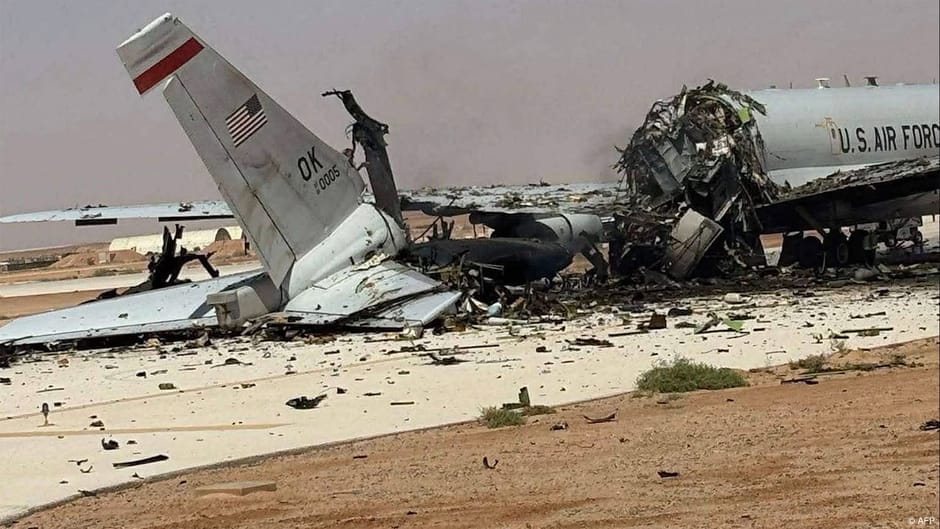
The United States had spent more than $48.3 billion (about €44 billion) on its war in Iran as of November 13, a senior Pentagon budget official has told American lawmakers, according to DW News.
The figure was given by Arthur Miller during testimony on Thursday before the US Senate Armed Services Committee, which is considering his nomination to serve as comptroller of the US Navy.
The war was launched by President Donald Trump on February 28 without the approval of Congress.
Base damage not included
Miller told senators that the amount covers military operations, equipment and munitions. It does not, however, account for damage to American military installations across the Middle East caused by Iranian attacks.
When pressed during the hearing, Miller did not offer an estimate for the cost of that damage. Committee chairman Roger Wicker, a Republican senator from Mississippi, asked him to supply the figures as soon as possible.
DW News reported that lawmakers are seeking details that the Pentagon has been reluctant to release.
Citing the news agency AP, DW News said that damage to hundreds of aircraft hangars, barracks, radar systems, warehouses and other US military facilities has reached billions of dollars.
Estimates range up to $15 billion
Several outside estimates suggest the final bill could be considerably higher than the official operational figure.
- In October, the Wall Street Journal quoted Pentagon sources as saying damage to US facilities in the region could cost between $5 billion and $15 billion.
- The Center for Strategic and International Studies, a think tank based in Washington, estimated that repairing buildings alone would cost more than $4 billion. That figure excludes the equipment and systems housed inside them.
No end in sight
According to DW News, the Trump administration has at different times argued that the conflict is not a war, that it has already been won, and that it will soon be over. The broadcaster noted that there is currently no clear end to the fighting.
Beyond the direct military costs, DW News reported that the global economy is suffering daily from the continued closure of the Strait of Hormuz, which it described as a direct result of US attacks on Iran.
The strait is one of the world's most important routes for oil shipments. Disruption there is a concern for fuel-importing countries, including Kenya, which relies on imports for its petroleum products.
Budget battle ahead in Congress
The administration is urging Congress to approve a $1.5 trillion defence budget for 2027, a 40% increase on the 2026 level, to fund the US military.
DW News said such approval was unlikely even before the November 3 midterm elections. With Democrats having since won control of both the House of Representatives and the Senate from the Republicans, the broadcaster said the chances of the budget passing at that level now appear close to impossible.
The disclosure of the war's cost is likely to add pressure on the Pentagon as lawmakers seek a fuller accounting of spending on the conflict, including the bill for repairing damaged bases.
This story was prepared by the Hamasta Newsdesk with AI assistance, based on reporting by DW News. Read the original report. Photo: DW News.



Know what people say about you.
Media monitoring, audience insights and strategic communication for your brand.


More in International
See all
France to monitor top YouTubers for political balance ahead of 2027 presidential vote

Hegseth hails US-Colombia security ties as Bogota set to host anti-cartel coalition

US judge allows Trump defamation suit against New York Times and Penguin to proceed

Mélenchon open to Greens alliance as Tondelier offer splits France's left

Haiti police say at least 34 suspected gang members killed in Martissant raid

Global Community Remarks
0