
El Salvador's Bukele set to register for third straight presidential term
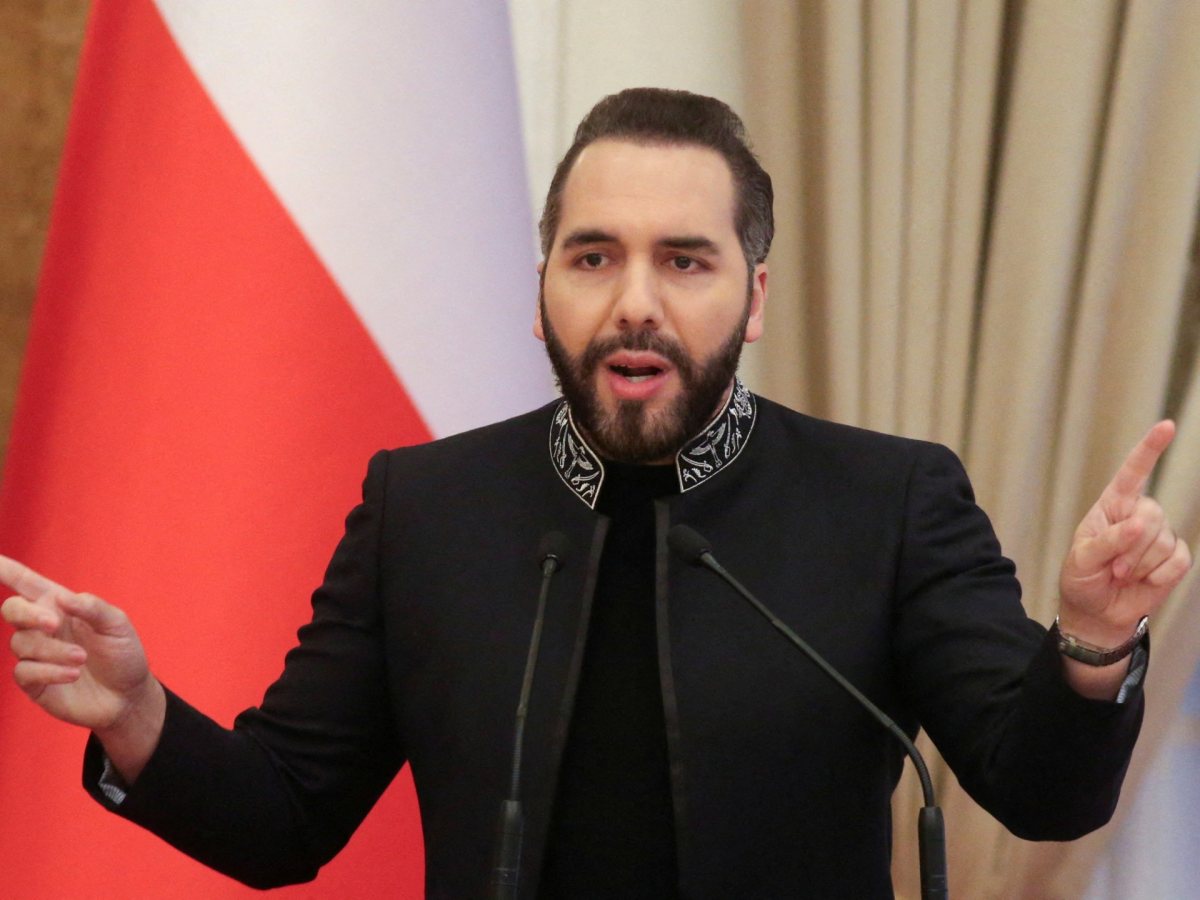
Salvadoran President Nayib Bukele is expected to formally register as a candidate in his country's next presidential election, as he pursues a third consecutive term in office, according to Al Jazeera.
Thursday marked the deadline for candidates to register for the vote, which is scheduled for February 28, 2027. Bukele, 45, has long been expected to stand again, and he is widely seen as the clear favourite to win.
A path cleared by courts and lawmakers
El Salvador's constitution once barred presidents from seeking immediate re-election. That changed in 2021, when the Supreme Court struck down the restriction, allowing Bukele to run for and win a second term in 2024.
In 2025, the Legislative Assembly went further, approving a constitutional amendment that permits Bukele to seek a third term. The same amendment lengthened the presidential term from five years to six.
Bukele founded and leads the Nuevas Ideas party, which holds a commanding majority in the Legislative Assembly. He won the party's nomination for the 2027 race in July and is expected to run again with his current vice president, Felix Ulloa.
A re-election victory would further entrench his party's grip on power in the Central American nation.
Popularity built on a gang crackdown
Bukele's presidency has been dominated by an aggressive campaign against criminal gangs. The approach has made him hugely popular at home and turned him into a model for right-wing politicians across Latin America, Al Jazeera reports.
In 2022, his government declared a state of emergency to tackle high crime levels. The measure gave police sweeping powers of arrest but also suspended key civil liberties.
Some people have been held without charge, and mass trials have seen hundreds of defendants sentenced at once. Human rights groups estimate that more than 1 per cent of El Salvador's population has been arrested under the emergency rules, with little opportunity for those detained to challenge their guilt.
Rights advocates also warn that abuses, torture and poor conditions are systematic in the country's prisons.
Although the state of emergency was meant to be temporary, it has been extended repeatedly for years. The government says the gangs have been all but dismantled.
The United States Treasury has, however, accused Bukele's administration of secretly negotiating with gangs and offering them incentives to help bring crime down.
Critics say space for scrutiny is shrinking
Experts say human rights defenders and journalists have found it increasingly difficult to monitor abuses and corruption under Bukele.
Some critics have allegedly been detained over their work without access to legal help. Among them is human rights lawyer Ruth Lopez, who Amnesty International says has spent more than a year in "incommunicado detention".
El Salvador has also passed a Foreign Agents Law, which allows authorities to restrict civil society organisations that receive foreign funding.
These measures have fuelled accusations that Bukele has turned the machinery of the state against his opponents. Yet the concerns appear to have done little to erode his standing with voters.
The challengers
A small field of rivals is also preparing to contest the presidency. They include Maytee Iraheta of the right-wing Nationalist Republican Alliance and Rafael Aguirre of the left-wing Farabundo Marti National Liberation Front.
With Nuevas Ideas dominating the legislature and Bukele's approval ratings high, analysts regard the 2027 contest as his to lose.
This story was prepared by the Hamasta Newsdesk with AI assistance, based on reporting by Al Jazeera. Read the original report. Photo: Al Jazeera.




Show the impact of your work.
Impact stories, campaign videos and community engagement for NGOs and programmes.

More in International
See all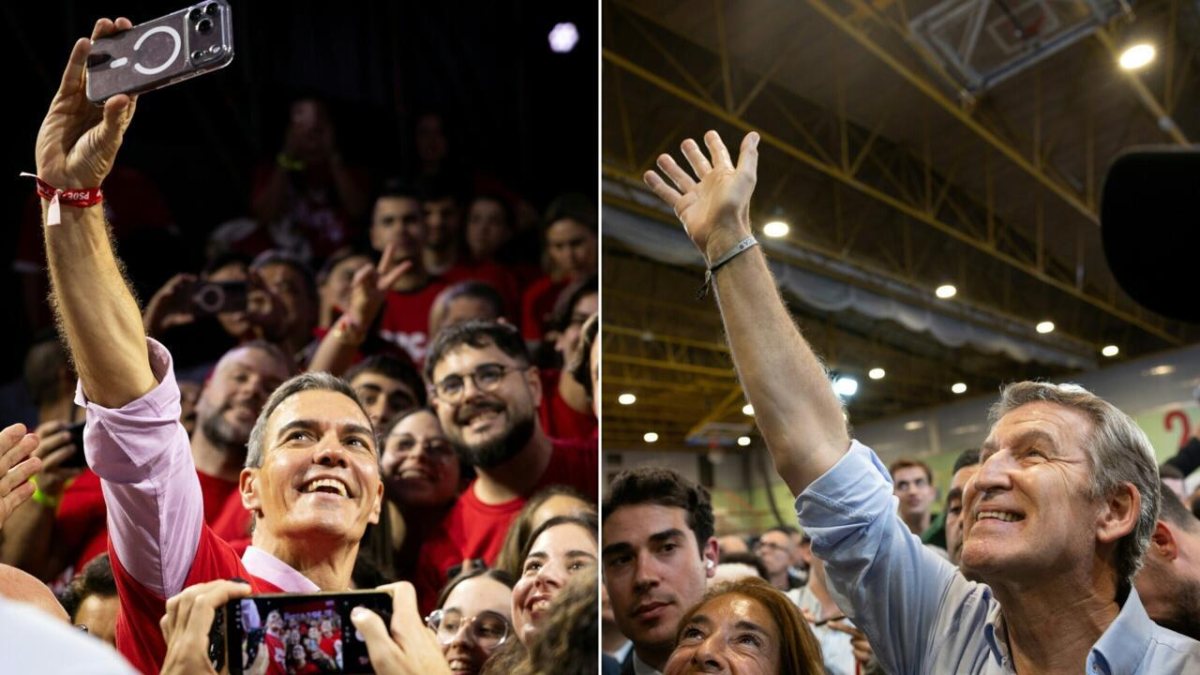
Spain's Sánchez admits 'mistakes' in only TV debate before November 29 poll
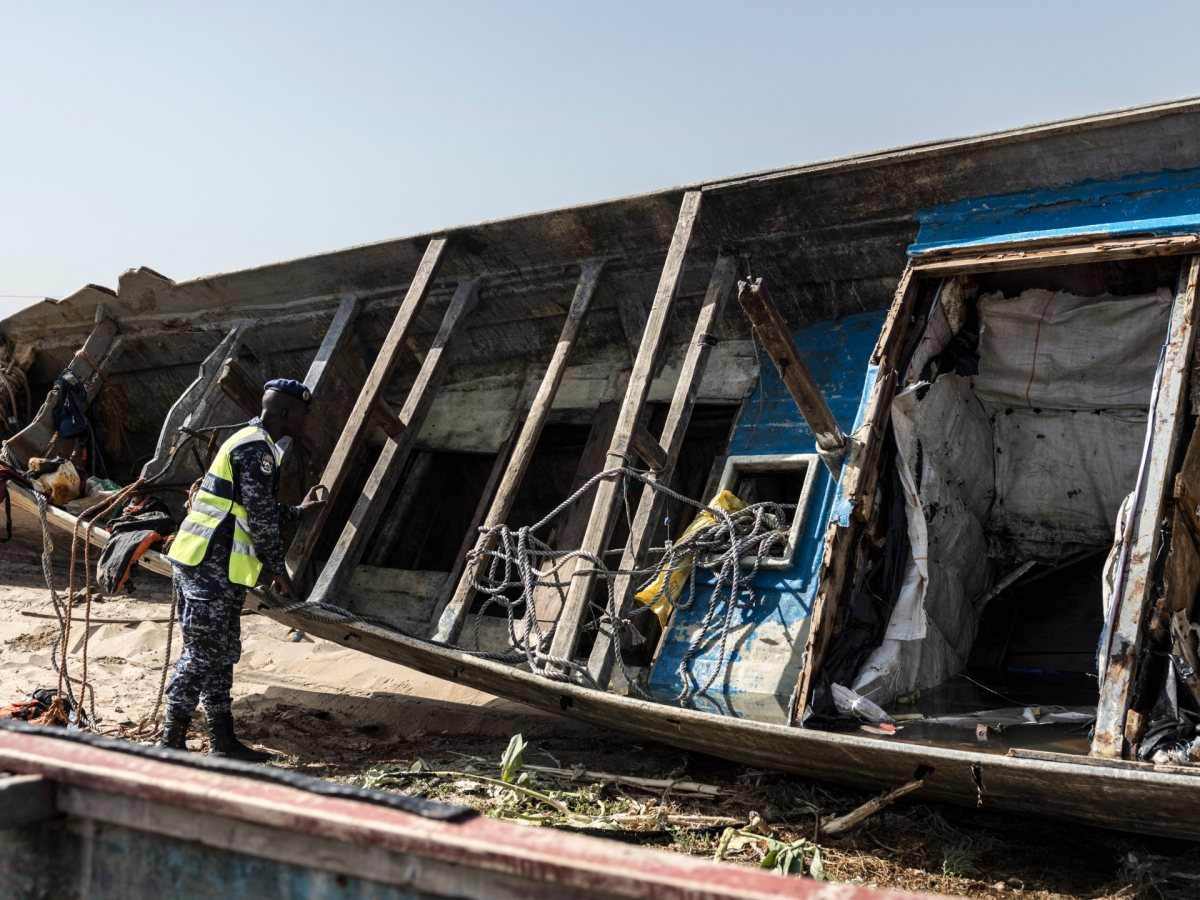
Four bodies recovered after migrant boat capsizes off Senegal near Yenne
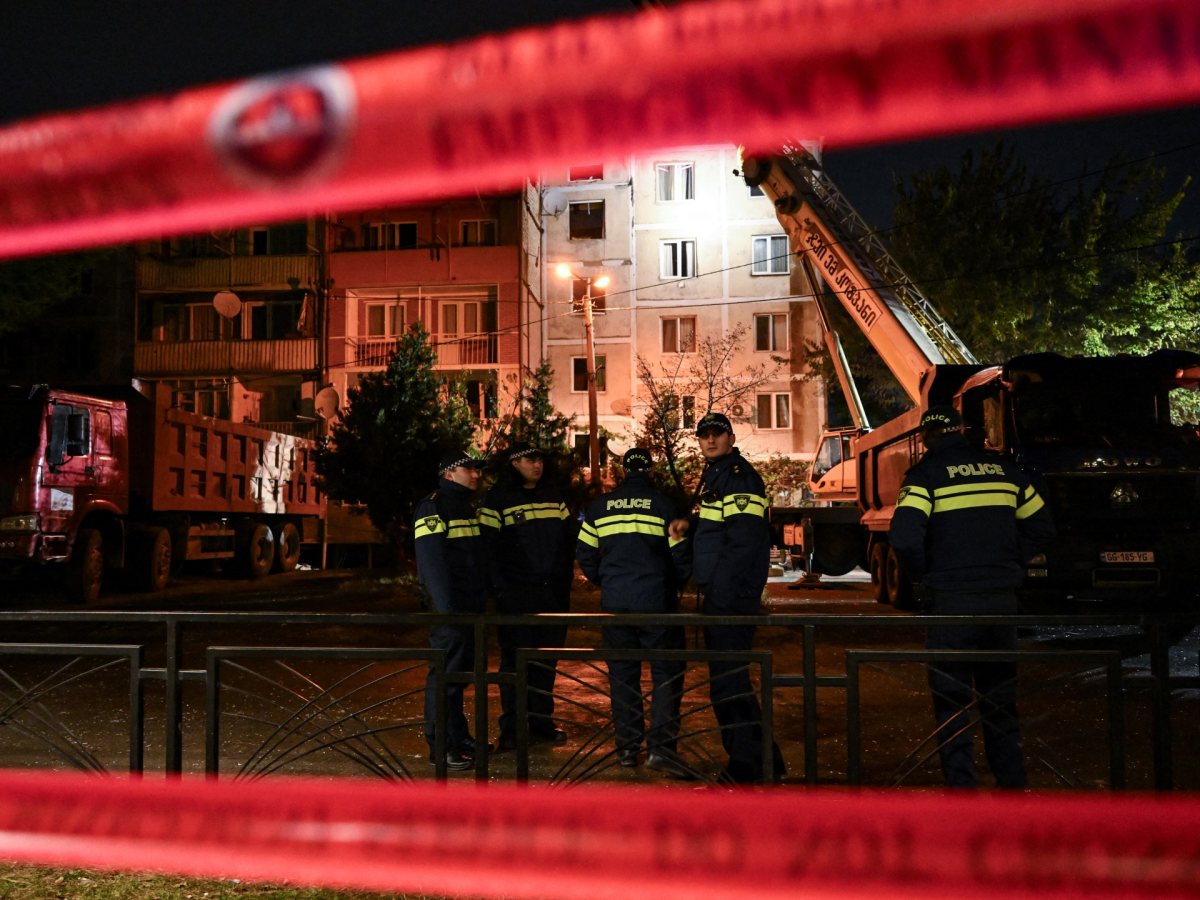
Six killed, child among them, in suspected gas blast at Tbilisi apartment block
Merz says Ukraine talks with Europe at the table will happen 'soon'

France to monitor top YouTubers for political balance ahead of 2027 presidential vote
Global Community Remarks
0