
Contaminated petrol batters Yemeni drivers as prices and repair bills climb
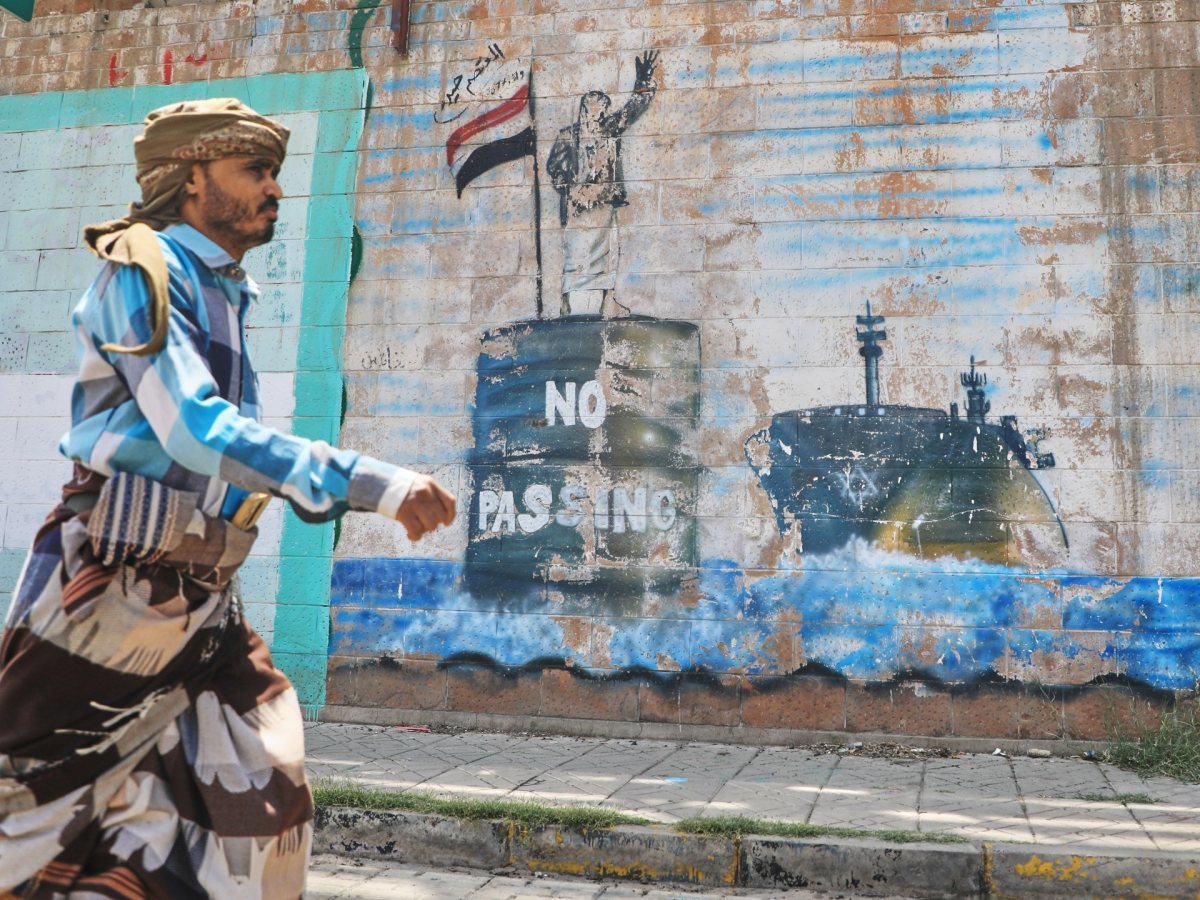
Motorists in Houthi-controlled parts of Yemen are being hit twice over, paying more for petrol that, they say, is damaging their vehicles and leaving them with repair bills they can barely afford, according to Al Jazeera.
In the capital, Sanaa, the price of 20 litres of petrol has climbed from 9,500 Yemeni riyals (about $18 at Houthi-set rates) to 11,400 riyals (about $21) within a few weeks, a rise of 20 percent. Drivers report that fuel contaminated with oil and other impurities is causing engine faults on top of the higher cost.
A six-hour journey
One driver, 28-year-old Yazan, who asked that his full name be withheld, told Al Jazeera that after refuelling in Sanaa he set off for Ibb, a trip that normally takes around two and a half hours. His car struggled to gain speed and the engine shook more the harder he accelerated, forcing him to pull over several times. The journey ended up lasting six hours.
He blames the fuel he bought in the capital and says many other vehicles have been affected. "Paying for expensive petrol and vehicle repair is a fresh war on our livelihoods," he said.
Akram Naji, a Sanaa taxi driver, said a mechanic in the city's Maeen district found a faulty fuel pump, blocked injectors and weakened engine performance after he noticed an odd sound from his car. The repairs cost him 55,000 riyals, roughly $100. Naji said he had to pay only part of his rent and reduce his family's daily spending to cover the bill. He now inspects the colour of the petrol before filling his taxi.
How the damage happens
Ali Beidhani, a mechanical engineer in Sanaa, explained that impurities carried into the engine with the fuel build up in the combustion system and, when heated, turn thick and sticky. This harms engine valves, clogs injectors and causes vibration, and in serious cases can lead to the engine failing entirely.
He said some drivers may have to borrow money or sell belongings such as gold to pay for repairs, with those who depend on their vehicles for income suffering most.
Disputed cause
The origin of the problem is contested. In June, the Houthi-run Yemen Petroleum Company (YPC) in Sanaa attributed the contamination to poorly equipped storage facilities in Hodeidah. Fuel tanks in the port city and at the nearby Ras Isa oil terminal have been struck by Israeli and US air strikes since 2024, in retaliation for Houthi attacks on Israel and on Red Sea shipping. The YPC said those tanks had been used to filter impurities before fuel reached the market.
Many Yemenis reject that account. The Sana'a Center for Strategic Studies says import restrictions have pushed the Houthis to rely partly on lower-quality Iranian fuel. Yemeni academic Mohammed Ansi accused importers of acting without accountability or oversight, motivated by profit and commissions.
Wafiq Saleh, executive director of the Taiz Centre for Yemeni-Gulf Studies, told Al Jazeera that the Sanaa authorities bear full responsibility for allowing substandard or adulterated fuel onto the market. He warned that bus and taxi drivers, delivery riders and farmers risk losing the ability to feed their families.
Shrinking imports, deepening hardship
World Bank figures show fuel imports between January and May dropped by 73 percent through Houthi-controlled ports and by 60 percent through government-controlled ports compared with the same period in 2025. The decline is partly linked to the US-Israeli war on Iran disrupting oil shipments through the Strait of Hormuz, as well as damage to Yemen's ports.
The fuel crisis adds to already severe economic strain. An International Monetary Fund report in April said the conflict had sharply cut per capita income and left more than half of Yemen's population in urgent need of humanitarian aid.
This story was prepared by the Hamasta Newsdesk with AI assistance, based on reporting by Al Jazeera. Read the original report. Photo: Al Jazeera.


Take your event live to thousands.
Multi-camera live streams, panel discussions and digital broadcasts with professional crews.




More in International
See all
Gaza rescue crews run on foot as 85% of Civil Defence vehicles break down

Uganda Tightens Ebola Travel Rules, Warns Airlines of Sanctions

UK and EU set to agree youth mobility scheme for 100,000 young people a year

Lula visits ailing Chief Raoni as Brazil recognises Kayapo and Yudja ancestral land
Thousands march across Colombia against tax plans as US military row grows

Global Community Remarks
0