
JSC handles 259 petitions against judges as 127 new complaints filed in a year
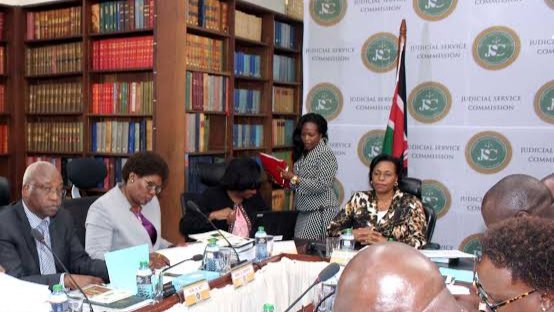
The Judicial Service Commission (JSC) received 127 fresh petitions against judges in the financial year ending June 2026, according to the Judiciary's latest annual report, as reported by Nation Kenya.
Including complaints carried over from earlier periods, the Commission dealt with 259 petitions in total. It concluded 168 of them, roughly 64.9 per cent of its caseload, while 91 were still pending when the financial year closed on June 30, 2026.
The figures are contained in the State of the Judiciary Annual Report (SOJAR 2025-2026).
Gross misconduct tops complaints
Allegations of gross misconduct or misbehaviour made up the largest share of the petitions, accounting for 158 of the 259 handled. A further 55 accused judges of incompetence, and 46 alleged violations of the judicial code of conduct.
"The majority of petitions against Judges related to gross misconduct or misbehaviour (61.0 per cent)," the report states.
Under the Constitution, the JSC reviews complaints against judges and can recommend removal where legal grounds are proven. The filing of a petition does not in itself establish wrongdoing.
Most cases dismissed early
Of the 168 concluded petitions, 107 were thrown out at the preliminary evaluation stage. Another 45 were dismissed after the judges concerned had responded, two after full hearings, and 14 were withdrawn by those who filed them.
According to the report, the main reason for dismissal was that the complaints attacked the substance of judicial decisions, which should be pursued through appeals or reviews, or lacked enough evidence to justify removal proceedings.
The report does not identify the judges who were petitioned, the complainants, or the details of the allegations.
The number of new petitions fell compared with the 2024/25 financial year, when 143 were received. The report puts the figure for the preceding period at 100.
Disciplinary action against staff
Separately, 16 disciplinary cases were opened against judicial officers during the year, though the summary figures do not set out the outcome of each.
Judiciary staff faced 80 disciplinary cases, of which 27 were finalised and 53 were still ongoing at the end of the reporting period. The most common allegation was desertion of duty or absenteeism, cited in 38 cases. Twenty cases involved soliciting or receiving bribes, while 13 related to tampering with or falsifying court records. Sexual harassment, forged academic certificates and financial malpractice accounted for three cases each.
Backlog and funding pressures
The report also paints a picture of a court system under strain. Courts registered 561,580 new cases during the year and resolved 576,702, a clearance rate of 103 per cent. Pending cases dropped by 15,122 to 579,954.
However, 341,412 of those pending cases, or 58.9 per cent, were classed as backlog after remaining unresolved for more than a year, with over half outstanding for more than three years. Magistrates' Courts held 274,177 of the backlogged cases and the High Court 40,673.
Courts recorded 274,478 adjournments, with the absence of witnesses named as the leading cause.
The Judiciary said it had 8,017 employees against an approved establishment of 12,079. Its budget allocation rose to Sh27.15 billion, but it reported a funding gap of Sh12.95 billion.
Chief Registrar Winfridah Mokaya said only 47 per cent of the development budget was absorbed. She explained that Sh547 million earmarked for buying a building went unspent after the tender failed to attract a responsive bid, while stalled projects and contracts also slowed spending.
Among reforms highlighted in the report are automated registry operations, wider use of e-filing and a move to the Jumuika enterprise system.



Know what people say about you.
Media monitoring, audience insights and strategic communication for your brand.


More in Crime & Justice
See all
NPS Sets December 10 Date for Nationwide Police Constable Recruitment

Family of missing Baringo herdsman goes to court, says abductors want KSh 1m ransom

Nairobi files one in four court cases as Judiciary clears more than it receives

Four held over machete attack on Governor Natembeya's communications officer

Former TV Host's Daughter To Be Charged With Murder Of Grandmother
Global Community Remarks
0