
CJ Koome pushes for tougher accreditation and professional standards for mediators
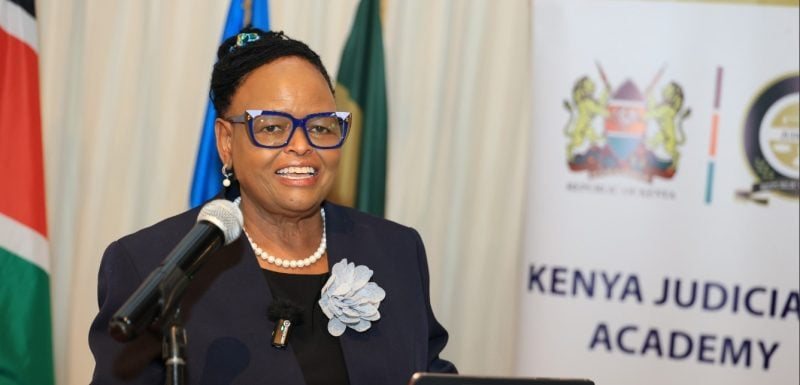
Chief Justice Martha Koome has called for tighter accreditation and professional standards for mediators, warning that the credibility of alternative dispute resolution in Kenya depends on the quality of those who practise it.
Koome made the remarks in Nairobi at the launch of the Judiciary's Mediation Action Plan, Mediation Service Charter and Mediation Case Digest, according to Capital FM Kenya.
She urged the Mediation Accreditation Committee to step up training, mentorship, continuous professional development and accountability for practitioners. As more Kenyans turn to mediation, she said, that acceptance must be matched by competence, sound ethics and an accreditation system the public can trust.
Not a preserve of lawyers
The Chief Justice was clear that raising standards should not mean locking out non-lawyers. Mediation, she noted, benefits from expertise in a wide range of fields, including psychology, business, banking and engineering.
She argued that the value of mediation reaches well beyond the people directly involved in a dispute, touching families, communities, businesses, the economy and wider society.
Priorities for the next decade
Koome set out several areas she considers key for the coming ten years:
- Quality assurance in mediation services
- Protection of the interests of parties
- Better screening of disputes before they are referred
- Monitoring and evaluation based on evidence
She appealed to government institutions, the private sector, professional bodies and development partners to back the institutional growth and long-term sustainability of mediation.
Measuring success differently
The Chief Justice cautioned against judging mediation solely by how many cases end in settlement. Those implementing the programme, she said, should also look at whether agreements are complied with, how satisfied users are, how much cost is saved, and whether parties feel the process was fair, dignified and responsive to their needs.
She described the three documents launched as a significant step towards giving mediation clearer institutional direction and improving service standards, transparency, consistency and accountability.
Building a culture of dialogue
Koome also spoke of the need to cultivate a national culture of mediation, one in which dialogue is valued, conflicts are handled constructively and negotiated solutions are sought before disputes escalate.
Reflecting on the Judiciary's Court-Annexed Mediation programme, which she said was introduced about a decade ago, Koome described it as having opened a new route to justice.
"Our responsibility now is to ensure that this doorway remains accessible, credible, sustainable, and worthy of public trust."
Court-Annexed Mediation allows certain cases filed in court to be referred to mediators, offering parties an alternative to full litigation. The new action plan, service charter and case digest are intended to guide how that service develops in the years ahead.
This story was prepared by the Hamasta Newsdesk with AI assistance, based on reporting by Capital FM Kenya. Read the original report. Photo: Capital FM Kenya.


Take your event live to thousands.
Multi-camera live streams, panel discussions and digital broadcasts with professional crews.




More in Crime & Justice
See all.jpeg)
High Court rules arbitrary police towing charges on motorists unconstitutional
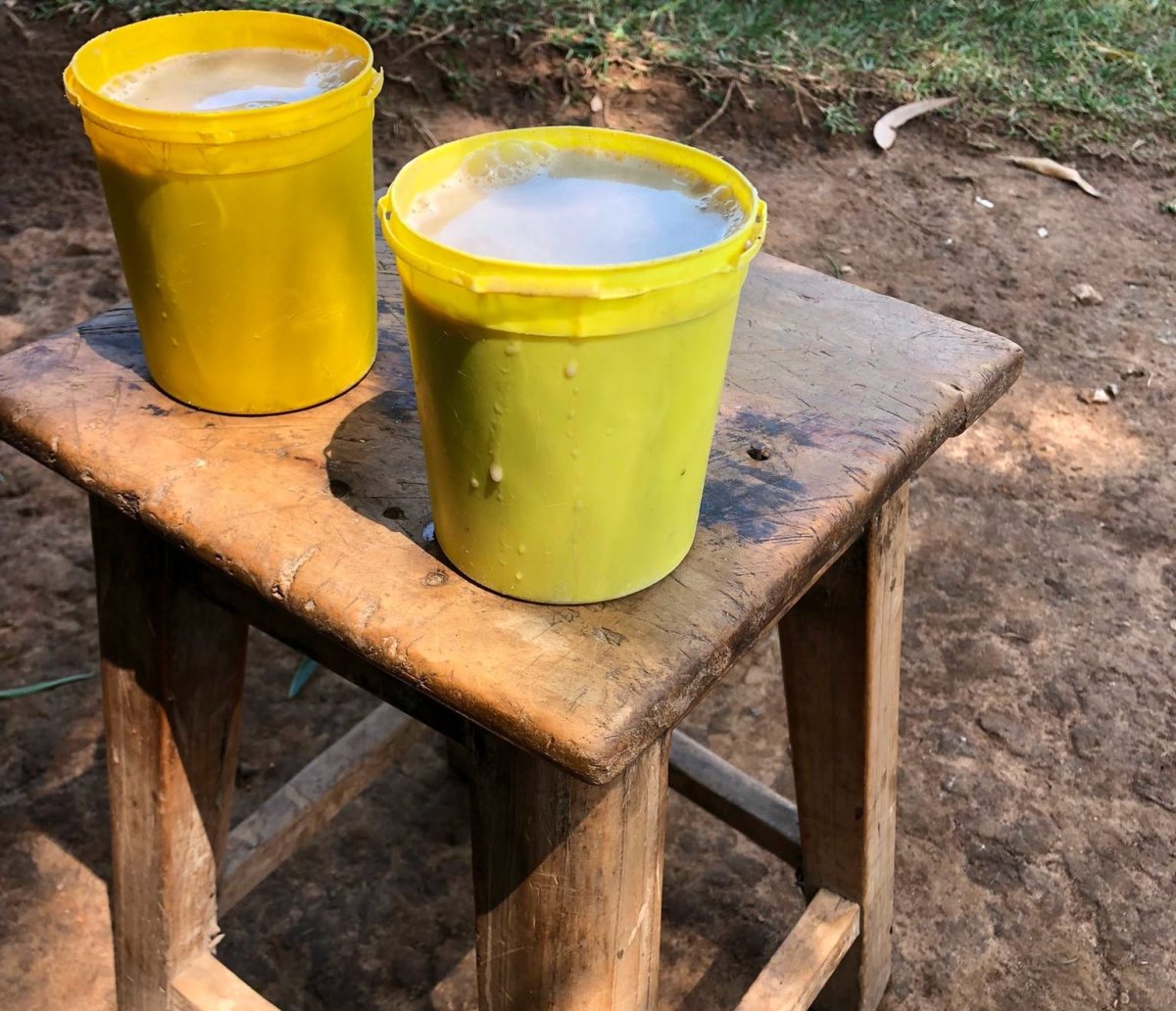
Kirinyaga crackdown on illicit brews and drugs nets 155 suspects in three months
Court gives State 90 days to assess Nairobi residents evicted during 2024 floods
TSC loses appeal over Sh975,000 award to teacher sacked over harassment claim
High Court Finds CS Mbadi and AG Oduor in Contempt Over Sovereign Bond Secrecy
Global Community Remarks
0