
Industry leaders urge Africa to channel pension billions into cash-strapped SMEs
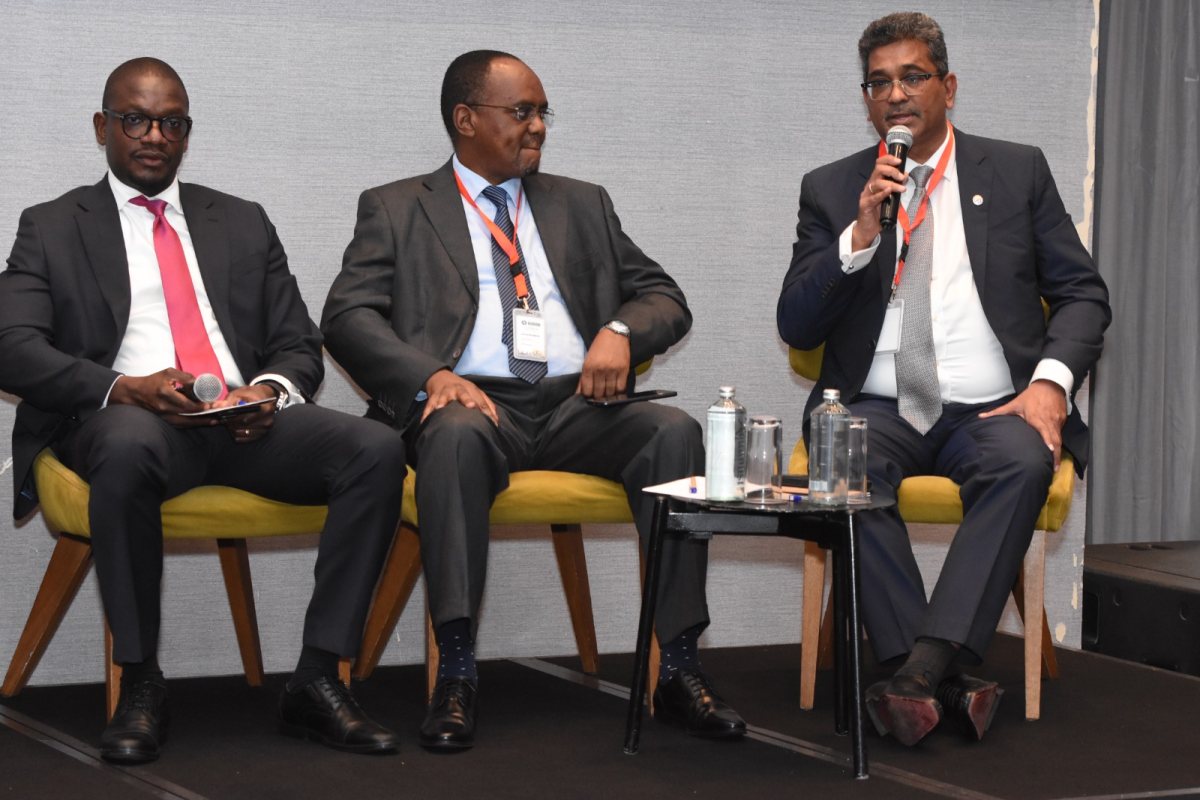
African countries could free up billions of dollars for small and medium enterprises (SMEs) by steering part of their domestic pension savings away from government securities and property and into productive businesses, financial and industry leaders said in Nairobi.
Speaking at The African Circuit, the leaders argued that the continent should lean on its own capital to fund enterprise and infrastructure instead of relying on foreign direct investment as a cure-all, according to KBC.
They called for specialised investment vehicles that can move local savings directly into SMEs, which they said remain short of the patient, long-term financing needed to grow.
A question of allocation, not scarcity
Chris Diaz, Executive Chairman of Adili Group, said the problem facing the continent is not a lack of money but how it is deployed.
"Africa does not have a capital shortage; it has a capital-allocation challenge," Diaz said, according to KBC.
He argued that current financing models make it easier to import finished products than to set up factories locally. Diaz said affordable capital should be directed into agro-processing and manufacturing, bringing smallholder farmers into organised supply chains so that more value stays on the continent.
Kenya's Ksh 3 trillion opportunity
Kenya's pension industry was cited as an example of the untapped potential. The sector holds more than Ksh 3 trillion (about $25 billion) in assets, much of it placed in treasury bills, bonds and real estate, KBC reported.
According to the figures presented, channelling just 10 per cent of those assets through dedicated private equity or SME debt funds would deliver roughly $2.5 billion to local businesses. Supporters say such a move would spread institutional investors' returns across more asset types while also creating jobs.
However, the speakers acknowledged that rigid regulations and a lack of de-risked investment products continue to hold back the shift.
The debate comes as African firms contend with high borrowing costs and limited access to long-term funding needed to expand and adopt new technology.
Signs of domestic investor appetite
Kenneth Miriti, Chairman of the International Chamber of Commerce Kenya Banking Commission, pointed to recent deals as evidence that local investors are ready to commit capital when the right instruments are available.
He cited the Kenya Pipeline Company public offering, which was oversubscribed by 105 per cent, driven by strong participation from East African investors.
Miriti also referred to a $20 million green bond for water infrastructure in Tanga, Tanzania, which drew a 103 per cent subscription. A local-currency bond fund took up 35 per cent of that issue, with domestic institutional buyers taking the remainder.
Role for development financiers
To repeat such results in the SME space, development finance institutions (DFIs) will need to help close the gap in deal structuring, the leaders said.
Joseph Alain Saraka, vice-president at the Africa Finance Corporation, said DFIs are key to helping governments and project sponsors put together bankable, commercially sound deals that can attract institutional money, KBC reported.
Balancing caution and ambition
The participants concluded that tapping Africa's domestic savings means striking a balance between the duty to protect pension members' funds and the wider goal of economic growth.
With SMEs accounting for most jobs across the continent, they identified modernised regulation and new risk-sharing tools as decisive in turning local savings into the main driver of Africa's industrial transformation.
This story was prepared by the Hamasta Newsdesk with AI assistance, based on reporting by KBC. Read the original report. Photo: KBC.



Know what people say about you.
Media monitoring, audience insights and strategic communication for your brand.


More in Business
See all
Shilling Crosses Ksh130 Against Dollar as Import Demand and Weaker Inflows Bite

Women farmers outearn men per hectare despite smaller plots, FtMA review finds
UK unveils £40m Forge Africa investment platform in Kenya to back growing firms

Treasury Plans Start-up Funding for University and College Graduates Under NYOTA

Whole-grain flour drive eyes Kenya's Sh20bn school feeding market

Global Community Remarks
0