
Costs and red tape stand in the way of Africa's stablecoin ambitions, summit told
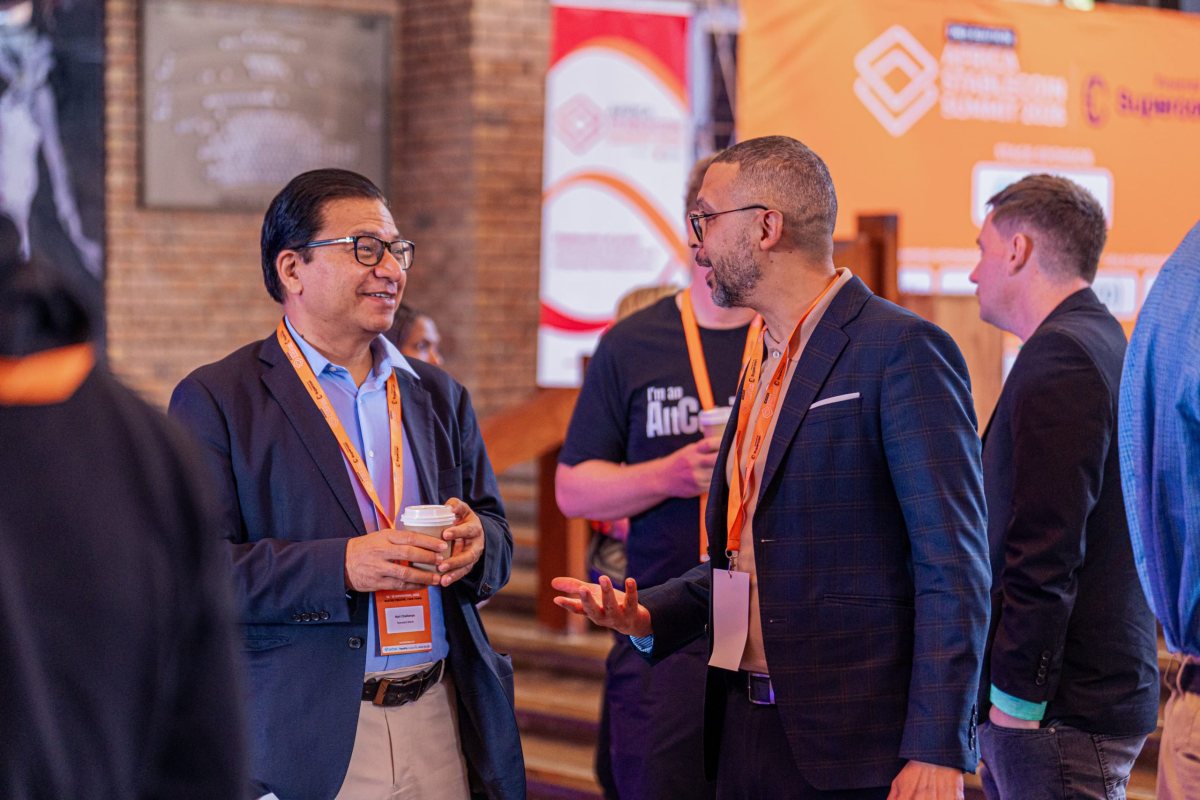
Stablecoins could become a workable part of Africa's financial system and help cross-border trade, but high costs and several structural barriers still stand in the way, according to speakers at the Africa Stablecoin Summit in Cape Town, South Africa.
Participants said payment connectivity, liquidity, regulatory compliance and integration with existing institutions remain the main obstacles to wider adoption of the digital tokens, KBC reported.
The discussions come as the continent pushes towards a single market, an effort that depends on businesses being able to move money easily between countries.
A fragmented payments landscape
For firms that operate in several African markets, sending and receiving money is still difficult. Each country has its own currency, banking system, payment networks and settlement rules, and these differences add complexity to every transaction.
Moving funds from one market to another can mean passing through a chain of banks and payment intermediaries, a problem that weighs most heavily on businesses that trade across borders.
The young stablecoin industry is trying to ease some of these bottlenecks by connecting blockchain-based transactions to the financial infrastructure that businesses and consumers already use.
Nikolai Barnwell, chief executive of PawaPay, told the summit that linking stablecoins to existing payment networks could help overcome the shortcomings of depending on blockchain settlement alone, according to KBC.
Why dollar tokens dominate
Stablecoins are digital tokens built to hold a steady value against an underlying asset, most commonly the US dollar. They have drawn attention as an alternative means of transferring and storing value.
Dollar-backed tokens have gained particular traction in Africa. Businesses and individuals facing volatile local currencies, or struggling to access international payment services, have turned to them as a way of holding dollar-denominated value.
Global figures show how quickly the sector has grown. Data from DefiLlama cited in the KBC report puts the worldwide stablecoin market capitalisation at about $290 billion, compared with roughly $5 billion in 2020. Dollar-denominated tokens make up about 99 per cent of that market.
Building on African currencies
Some firms are now trying to move beyond the dollar. Gideon Greaves, managing director of Supercoin, said the company is developing infrastructure for stablecoins tied to local currencies, including ZARsc, a token backed by the South African rand.
The project is part of a wider effort to extend the stablecoin model to African currencies and create digital financial products anchored in them, rather than relying solely on dollar-linked tokens.
More than a technology question
Beyond payments, delegates examined a broad range of institutional issues, among them correspondent banking, corporate treasury management, custody, reserve assurance, taxation and financial reporting.
The breadth of those discussions suggested that getting banks, companies and regulators to embrace stablecoins will take more than plugging new technology into old systems. Questions over how reserves are verified, how holdings are taxed and how transactions are reported in company accounts will all need answers before institutions commit at scale.
For now, the industry's challenge is to show that stablecoins can make moving money across African borders cheaper and simpler, while meeting the compliance demands of regulators in each market.
This story was prepared by the Hamasta Newsdesk with AI assistance, based on reporting by KBC. Read the original report. Photo: KBC.




Show the impact of your work.
Impact stories, campaign videos and community engagement for NGOs and programmes.

More in Business
See all
CBK opens one-year graduate internships, caps age at 29 with December 10 deadline
KAA Proposes Weight-Based Dollar Charges on Air Cargo at Kenyan Airports

Absa Bank Kenya seeds new Sh230m global multi-asset fund for local investors
Industry leaders urge Africa to channel pension billions into cash-strapped SMEs

Shilling Crosses Ksh130 Against Dollar as Import Demand and Weaker Inflows Bite

Global Community Remarks
0