
Trump, Putin and Xi promise more fuel for the world, but analysts doubt they can deliver
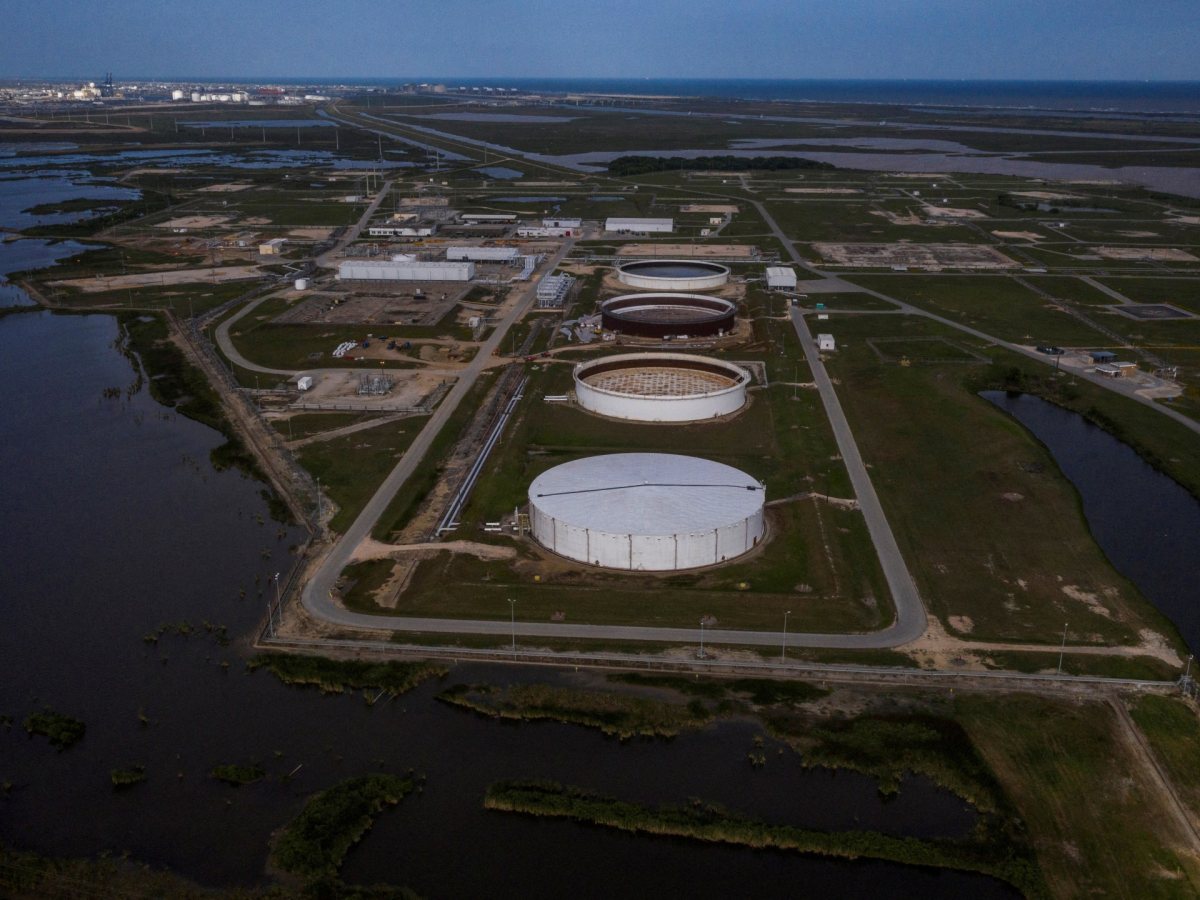
The leaders of the United States, China and Russia have promised to raise global supplies of refined fuel, but energy analysts say the three countries have little room to make good on the pledge while wars in Iran and Ukraine continue to disrupt energy markets, according to Al Jazeera.
After a three-way summit in Shenzhen, China, on Thursday, US President Donald Trump, Chinese President Xi Jinping and Russian President Vladimir Putin issued a joint statement saying they intend to step up the production and supply of refined petroleum products for all nations. They also stressed the importance of stable energy flows.
Hamad Hussain, a senior climate and commodities economist at Capital Economics, told Al Jazeera the statement "should be treated as political noise rather than the first step to boosting global fuel supplies".
Frederic Schneider, a nonresident senior fellow at the Middle East Council on Global Affairs, told the broadcaster the announcement appeared aimed at reassuring consumers, noting that an earlier US-Russian arrangement on diesel had achieved nothing.
US refineries already near their limit
China and the US are the world's largest refiners by capacity, with Russia and India behind them. Yet the US fleet is already running close to flat out. As of January 1, American operable distillation capacity stood at about 18.16 million barrels per day (bpd), and the US Energy Information Administration (EIA) reported that utilisation averaged more than 95 percent between May and September, the highest for those months since 1998.
The EIA attributes the surge to tight global supplies of distillate fuels such as diesel, which has driven strong overseas demand for American exports. Hussain said that although refining is profitable at current prices, Washington simply lacks spare capacity.
US Energy Secretary Chris Wright has said his department is discussing reopening every refinery it can. Reuters reported that Valero Energy agreed in October to buy a century-old LyondellBasell refinery near Houston and partly restore it, adding 165,000 bpd by the end of 2027 — roughly 1 percent of national capacity. Analysts estimate the cost of acquiring and recommissioning the plant could reach $1bn.
Russia hit by drone strikes and fuel rationing
Russia has about 6.5 million bpd of refining capacity, according to the International Energy Agency (IEA), but sustained Ukrainian drone attacks have badly eroded it. The IEA said refinery throughput dropped to 3.8 million bpd in June, its lowest in more than two decades, and that in the first eight months of 2026 a Russian refinery was struck on average every three days.
Reuters has reported that combined processing volumes have fallen by 45 percent since late October. Several regions now ration fuel. In Sevastopol, in Russian-controlled Crimea, sales at some stations have been limited to one full tank plus 20 litres in jerrycans. Tomsk in Siberia has capped petrol and diesel purchases, while Penza introduced limits on Thursday, joining at least six other regions.
Because Russia is a major diesel exporter, its refining losses ripple globally. The EIA said the disruption contributed to diesel prices reaching record nominal highs in September. Diesel shipped under the October Trump-Putin deal has not reached any buyers, as traders have refused to take it.
China's spare capacity may stay at home
China has roughly 18.5 to 18.83 million bpd of refining capacity but depends heavily on imported crude, much of which normally passes through the Strait of Hormuz. The EIA said Chinese refinery crude imports fell by 2.1 million bpd in the second quarter and a further 0.8 million bpd in the third.
Imports have since largely recovered. Reuters reported arrivals of 9.88 million bpd in October, the highest since March, and China began stockpiling crude that month.
Hussain said China does have some unused refining capacity, but with domestic petrol and diesel inventories appearing low, extra output is likely to go towards rebuilding reserves rather than exports. He added that the return of refined fuel from the Middle East would be the key to bringing global prices down.
For import-dependent economies such as Kenya, which buys its refined petroleum products from abroad, the outlook suggests little immediate relief from the summit pledge.
This story was prepared by the Hamasta Newsdesk with AI assistance, based on reporting by Al Jazeera. Read the original report. Photo: Al Jazeera.
Every moment, captured beautifully.
Events, corporate portraits, products and editorial shoots by our newsroom photographers.





More in International
See all
US Senate passes bipartisan bill to fast-track energy project approvals
Saudi-led coalition and Houthis trade threats to bomb Red Sea ports as strikes escalate

Australia to bar visitor visa holders from switching to work, study visas from Nov 28
.jpeg)
UK anthem played in Brussels for first time since Brexit as Burnham meets EU leaders

Malaysia Ends Visa-Free Entry for 20 African Nations, Kenyans Still Exempt

Global Community Remarks
0