
US Senate passes bipartisan bill to fast-track energy project approvals
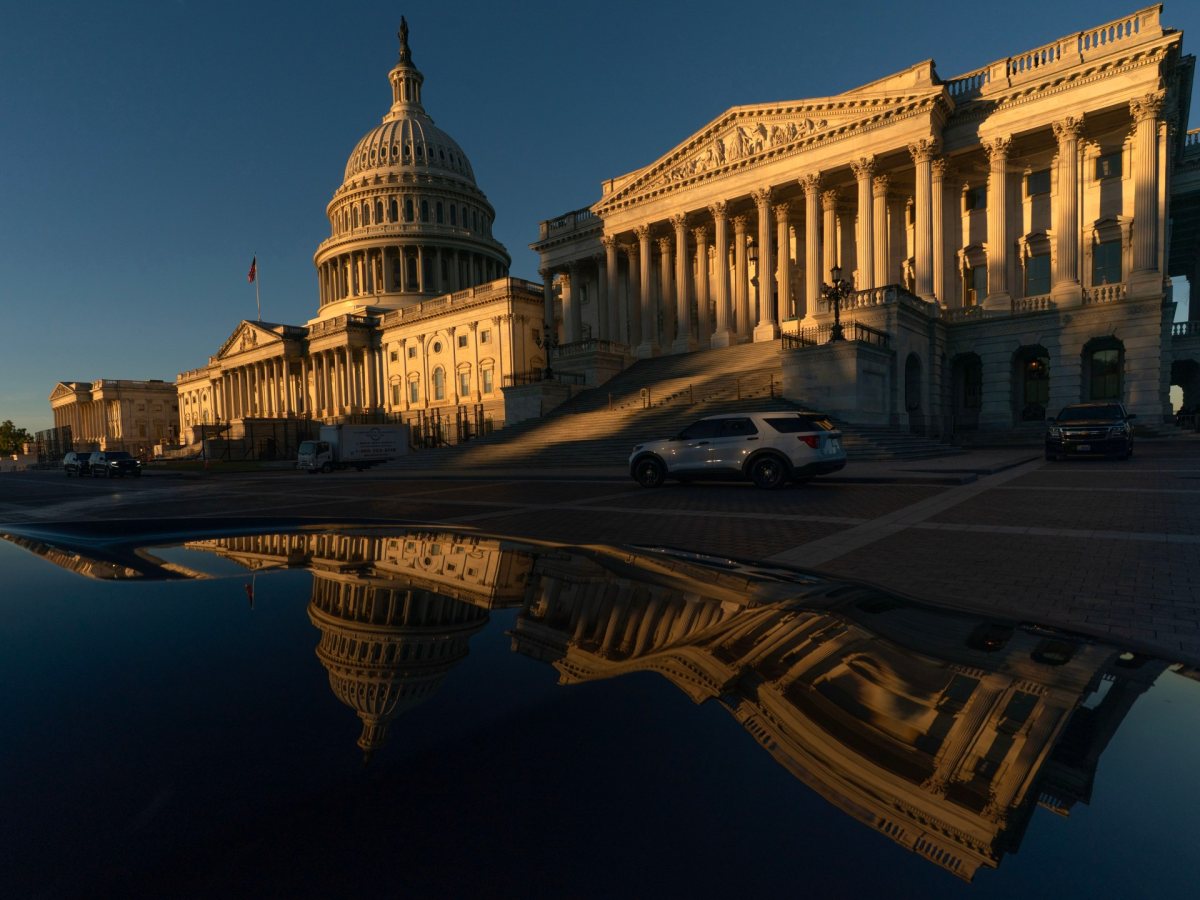
The United States Senate has approved a bipartisan bill designed to accelerate permits for power plants, transmission lines and other energy infrastructure, as lawmakers come under pressure to cut electricity costs and keep pace with surging demand linked to artificial intelligence, according to Al Jazeera.
Senators voted 62-33 on Thursday. Fifteen Democrats, among them Senate Minority Leader Chuck Schumer, supported the measure, while two Republicans opposed it.
President Donald Trump had pressed the Senate to pass the legislation and has said he will sign it into law if it clears the House of Representatives.
What the bill does
Known as the Bipartisan American Affordability and Jobs Act, the legislation would cut the time federal agencies take to review energy projects and restrict the ways in which approvals can be contested in court.
It would amend several environmental laws, including the National Environmental Policy Act. That law obliges federal agencies to assess the environmental impact of proposed projects and allows the public to comment before a decision is made.
The bill would also make large AI data centres shoulder a bigger share of the cost of upgrading power grids to meet their electricity needs.
It was negotiated by four senators, two from each party: Republicans Mike Lee of Utah and Shelley Moore Capito of West Virginia, and Democrats Martin Heinrich of New Mexico and Sheldon Whitehouse of Rhode Island. They argued that Americans are frustrated by high utility bills while projects that could lower costs remain stalled at the planning stage.
"We are going to make it easier to build in America again," Lee said.
Political backdrop
The vote follows midterm elections this month in which rising power bills and resistance to data centres emerged as major campaign issues. Democrats, who campaigned on reining in the industry, won control of both chambers of Congress. The new Congress convenes on January 3; until then, Republicans retain narrow majorities in both houses.
Industry groups representing both renewable energy developers and oil and gas firms backed the bill, saying existing delays can push project timelines out by a decade or longer.
Environmental and tribal concerns
Environmental organisations, including the Sierra Club and the National Wildlife Federation, cautioned that the legislation would erode safeguards for water and wildlife and make it more difficult for communities to challenge approvals. Other groups warned it would encourage further fossil fuel development.
Jen Duggan, executive director of the Environmental Integrity Project, described the measure as a backroom deal that would open the door to more gas plants for data centres, pipelines and liquefied natural gas terminals. She called it a gift to some of the country's biggest polluters, arguing that any renewable energy gains would be outweighed by fossil fuel emissions.
Critics also objected to the speed at which the bill moved through Congress. Democratic Senator Maria Cantwell of Washington state said, following talks with tribal leaders, that the bill would undermine the sovereignty of tribal nations and weaken protections for their land, water and wildlife. She urged more time to address those concerns and amend the text.
Some Democrats who voted against the measure argued that the party should wait until January to pass tougher legislation limiting fossil fuel expansion while doing more to promote wind and solar power.
The Senate passed the bill without adopting amendments proposed by Oregon's two senators. These included a ban on data centres on public land and a provision to stop the Trump administration from cancelling energy grants and other Democratic initiatives for what they termed purely political purposes.
The bill now goes to the House of Representatives.
This story was prepared by the Hamasta Newsdesk with AI assistance, based on reporting by Al Jazeera. Read the original report. Photo: Al Jazeera.


Grow an audience that listens.
Social media management, digital campaigns and online storytelling that converts.



More in International
See all
Trump, Putin and Xi promise more fuel for the world, but analysts doubt they can deliver

Saudi-led coalition and Houthis trade threats to bomb Red Sea ports as strikes escalate

Australia to bar visitor visa holders from switching to work, study visas from Nov 28
.jpeg)
UK anthem played in Brussels for first time since Brexit as Burnham meets EU leaders

Malaysia Ends Visa-Free Entry for 20 African Nations, Kenyans Still Exempt

Global Community Remarks
0