
Sudan's war shuts doors on education for children with disabilities
Children with disabilities in Sudan are being pushed out of education as the country's war forces specialist schools and rehabilitation centres to close, according to Al Jazeera.
Families in Khartoum say the support their children depend on has either collapsed or become too costly, while advocates warn that years of lost learning could permanently harm the children's development.
Crucial years slipping away
Four-year-old Muzan Abdelrahman, who has a hearing impairment, should be getting ready to start school. She was only a few months old when fighting between the Sudanese army and the paramilitary Rapid Support Forces (RSF) erupted in April 2023. The specialised centres she needs have since shut.
Her mother, Abeer Osman, told Al Jazeera she tries to help at home but lacks the training and tools a specialist would have. Her greatest fear, she said, is that her daughter's formative years will pass without her learning to communicate.
Aisha Abbo's eight-year-old son, Ali Hassan, has Down's syndrome. Before the war he attended a government-run school for children with disabilities, where he received help with academic, communication and social skills. Those facilities are now closed, and private alternatives are beyond the family's means.
She urged the government to reopen specialised centres and supply teachers and specialists, telling Al Jazeera: "These children cannot wait until the war ends and life returns to normal."
Barriers inside the classroom
Even for those still in school, access is a struggle. Fourteen-year-old Mohammed Ahmed, who has a physical disability, told Al Jazeera that inaccessible entrances and staircases leave him reliant on others to reach and move between classrooms. He said he wants a school where he can get around independently and with dignity.
A wider education crisis
The war has disrupted schooling across the country. According to UNICEF, at least eight million school-age children lack access to formal education. As of August, roughly 30 percent of Sudan's schools were not functioning, with about 1 percent serving as shelters for displaced people.
UNICEF figures show Sudan had more than 230 schools for disabled children before the conflict. Many have closed, but there is no current data on how many. Al Jazeera said it sought comment from the Sudanese government but had received no response at the time of publication.
Centres hit by shelling and funding gaps
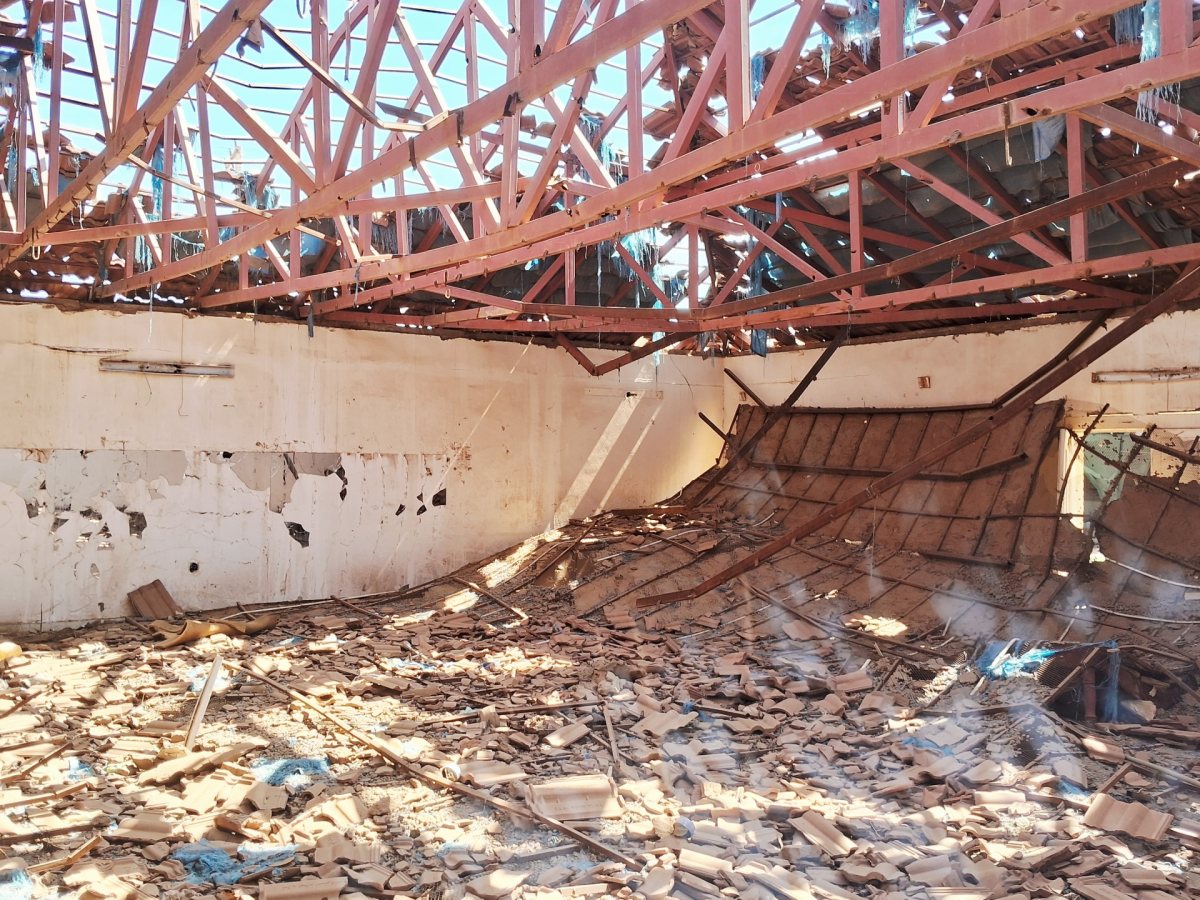
In Khartoum, the Usratuna Sudanese Association for Children with Disabilities was partly struck by shelling early in the war. A projectile hit its classrooms, and damaged buildings and lost equipment have hampered efforts to restart.
Badr al-Din Tawfiq, the association's project manager, told Al Jazeera that most services have stopped because of the war, funding shortages and damage to its premises. He said more than 100 children have been registered for physiotherapy, speech therapy, behavioural support and vocational rehabilitation, and families have asked for hearing aids and batteries, but the association has no tools or equipment to meet those needs.
Some work that needs no funding, such as psychosocial support and advocacy, continues, as does an inclusive kindergarten in Dar al-Salam, Omdurman. However, its branches in Zalingei, Central Darfur, and in Blue Nile state are no longer operating.
Calls for inclusive rebuilding
Nagi Mansour, director-general of the Sudanese Coalition for Education for All, said disabled children faced serious obstacles even before the war, including poor infrastructure, too few specialised schools and trained teachers, and a lack of adapted curricula, Braille materials and sign-language resources.
He said the conflict had deepened these problems by destroying institutions, displacing families and stripping some pupils of assistive devices. Mansour called for:
- A national survey to identify children who have dropped out and assess their needs
- Rehabilitation of special education centres
- Provision of suitable learning materials, Braille resources and sign-language interpreters
- Training for teachers in inclusive education
Mansour told Al Jazeera that children with disabilities have an inherent right to education and should not be viewed merely as recipients of humanitarian aid, adding that Sudan's education rebuilding must be grounded in justice and inclusion.
This story was prepared by the Hamasta Newsdesk with AI assistance, based on reporting by Al Jazeera. Read the original report. Photo: Al Jazeera.


Take your event live to thousands.
Multi-camera live streams, panel discussions and digital broadcasts with professional crews.




More in International
See all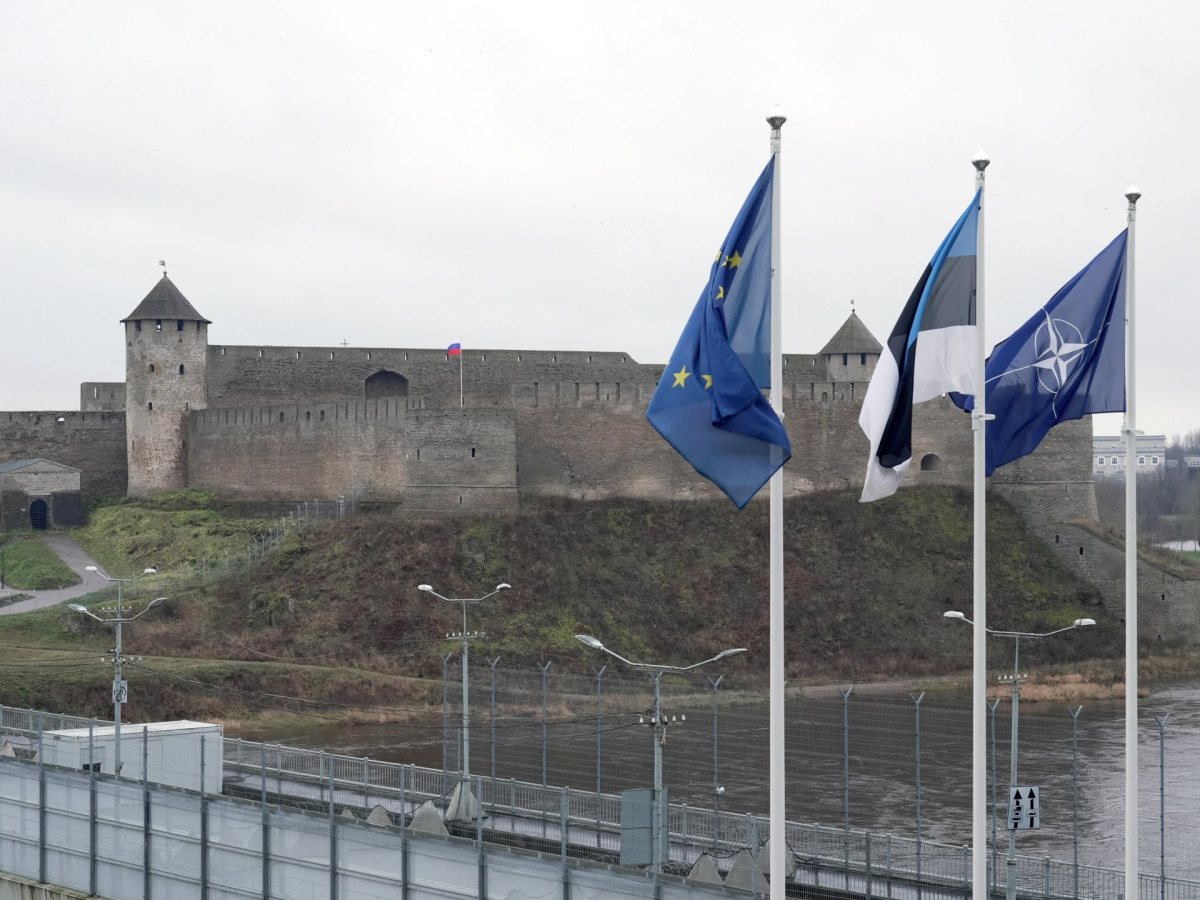
Russia warns of response as Estonia moves to close all road border crossings
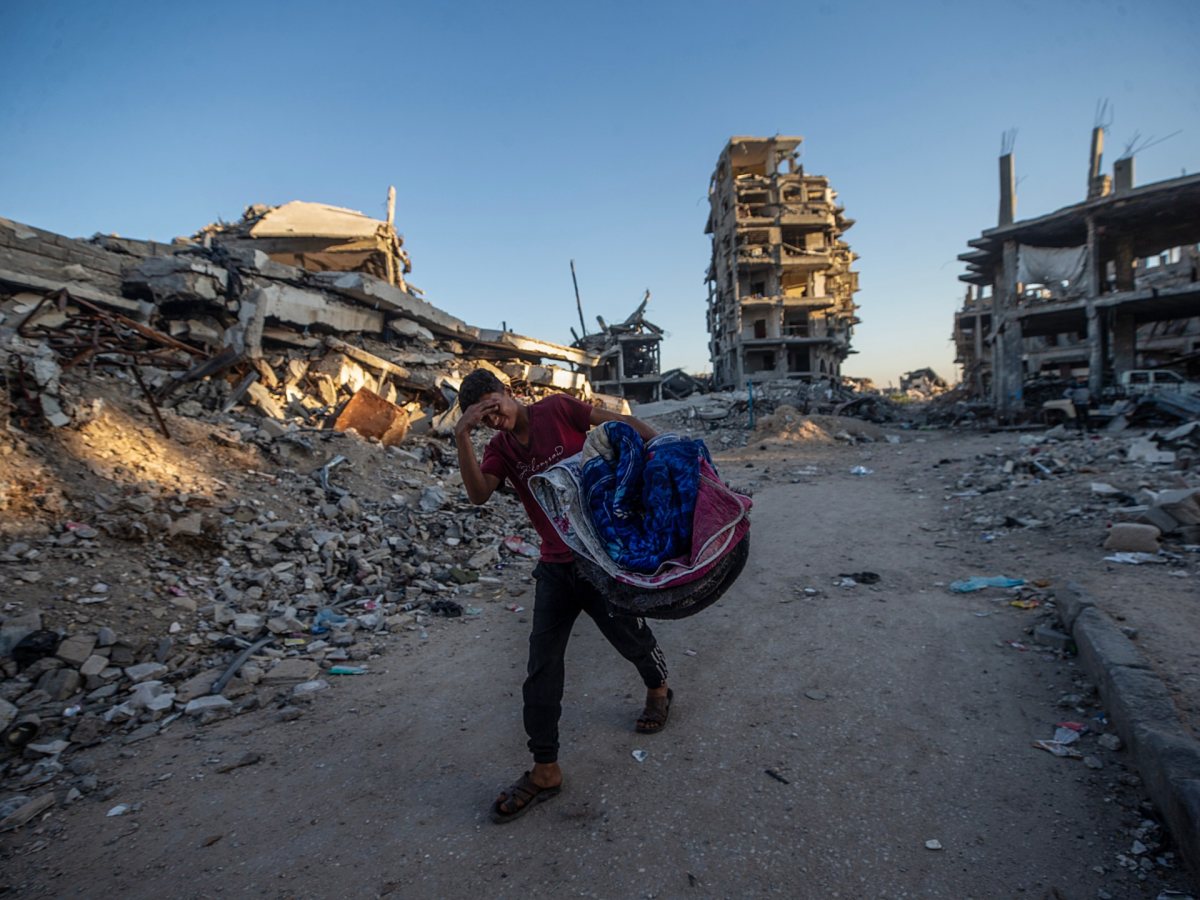
Israeli drone strikes kill seven Palestinians in central Gaza despite ceasefire
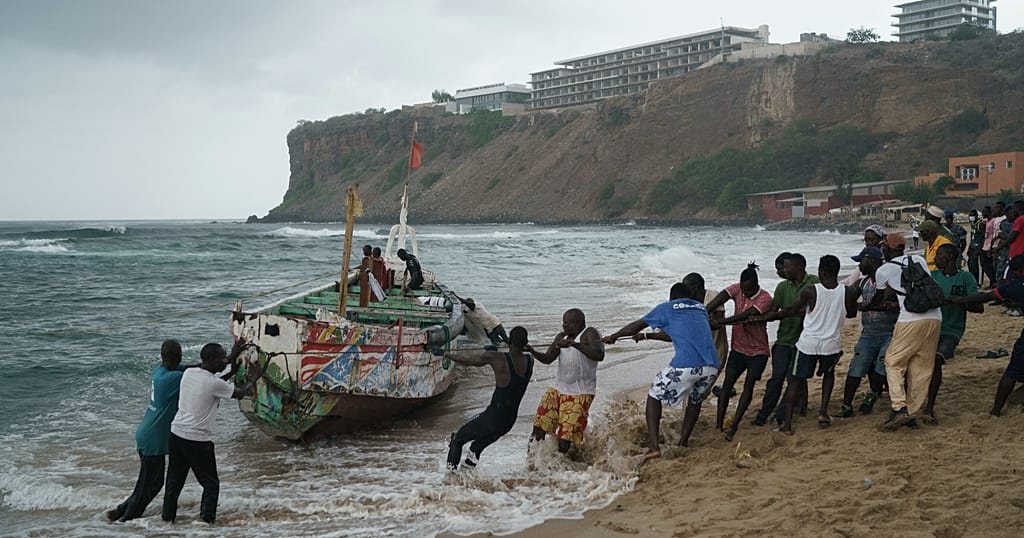
UN migration agency and Senegal call for regional crackdown on migrant traffickers
.jpeg)
Russian drone and missile barrage kills at least eight in Ukraine, hits Kyiv bridges
Belgrade mayor Aleksandar Sapic charged with assaulting opposition councillor
Global Community Remarks
0