
UN experts raise alarm as at least 135 Iranian lawyers face arrests, bans and summonses
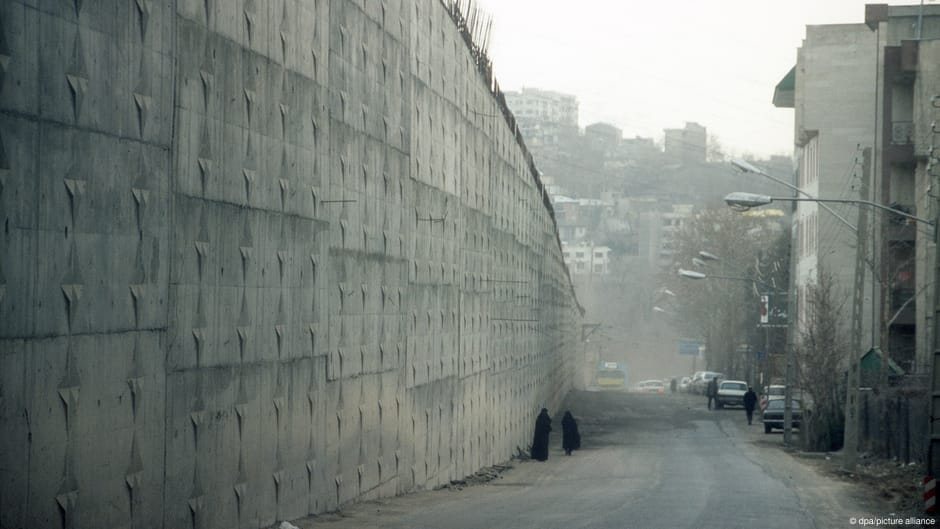
At least 135 lawyers in Iran were targeted by the authorities over a twelve-month period, according to United Nations human rights experts, who have urged Tehran to stop what they describe as a widening campaign against independent members of the legal profession, DW News reports.
The experts warn that restricting people's access to legal representation raises the danger of arbitrary detention, forced confessions and trials that fall short of basic fairness.
In a statement issued in mid-November, they said:
"Independent lawyers are increasingly being prosecuted and intimidated for their professional work."
Arrests, suspensions and travel bans
Between September 2025 and September 2026, lawyers were summoned, arrested, held in detention, suspended, dismissed or barred from travelling, according to the UN experts. In January and February 2026 alone, 23 lawyers, five of them women, were reportedly arrested following protests across the country.
One recent case cited by DW News is that of human rights lawyer Amirsalar Davoudi, who was arrested in October in Isfahan, in central Iran, while representing a client before the Revolutionary Court. The group Iran Human Rights (IHRNGO) says he was taken to hospital on November 9 after suffering a heart attack while in custody.
Prominent figures have not been spared. Nasrin Sotoudeh, a co-recipient of the Sakharov Prize in 2012, has been arrested and jailed several times. In 2026 she received the Vaclav Havel Human Rights Prize.
A long pattern of pressure
Sina Yousefi, a 41-year-old lawyer and rights activist, told DW News that the targeting of lawyers in Iran has deep roots. He was detained by security forces in Tabriz in October 2022 during the nationwide "Woman Life Freedom" protests and later sentenced to six months in prison for "propaganda against the system". He has since left Iran and now lives in Berlin.
According to Yousefi, pressure on lawyers grew at that time because many were defending detained protesters and openly backing the demonstrators. He said security agencies, the judiciary and prosecutors increasingly turned specific tools against independent lawyers.
He argued that arrests and threats against lawyers handling political and human rights cases not only weaken defendants' right to a defence but also deter other lawyers from taking on such work, undermining the fairness of trials.
Lawyers who represented demonstrators have faced criminal cases or other measures, and social media posts about civil rights violations can also trigger investigations, DW News reports.
Limits on choosing a lawyer
Yousefi also raised concern over limits on defendants' right to pick their own counsel. Under a note to Article 48 of Iran's Code of Criminal Procedure, people arrested on certain charges cannot freely choose a lawyer during the investigation stage and must instead use lawyers approved by the head of the judiciary. Even these lawyers are sometimes denied access to the full case file.
In many protest-related cases, he said, lawyers only see the files once investigations are over and prosecution evidence, including confessions obtained in detention, has already been gathered. Even then, he said, access is restricted and preparation time is short. He added that judges often give more weight to security agents' reports than to defence arguments.
'Chilling effect' on the profession
Shabnam Moinipour, programme director at the UK-based Center for Supporters of Human Rights (CSHR), which monitors the treatment of lawyers in Iran, told DW News that an independent bar is essential for citizens to be properly defended.
She said lawyers must be free to challenge prosecutors and question security reports without fear of being prosecuted themselves. When the same judicial authority decides which lawyers are approved, she argued, the independence of the profession is called into question.
Moinipour said such restrictions can leave defendants feeling unprotected and fearful, and may discourage them from reporting threats, torture or other abuses. She considers the practice incompatible with Iran's international obligations, noting that international law requires prompt access to a lawyer of one's choice, confidential communication and adequate means to prepare a defence.
Citing a joint report by the Tehran-based Defenders of Human Rights Center and the International Bar Association's Human Rights Institute, she said action against even a small number of lawyers can intimidate many others. Despite this, she said, many Iranian lawyers continue to defend their clients while accepting the risk of arrest, prosecution and professional sanctions.
This story was prepared by the Hamasta Newsdesk with AI assistance, based on reporting by DW News. Read the original report. Photo: DW News.



Know what people say about you.
Media monitoring, audience insights and strategic communication for your brand.


More in International
See all
Spain's far-right Vox eyes kingmaker role ahead of November 29 snap election
Protests sweep 25 European countries over wages, services and living costs
ANC races to hold South Africa's big cities after worst-ever local election result
Mamdani unveils plan to close New York's Rikers Island jail by 2032
Boat carrying funeral mourners capsizes in Nigeria's Bayelsa, killing at least four
Global Community Remarks
0