
Nepal's Balendra Shah heads to Delhi seeking reset with India
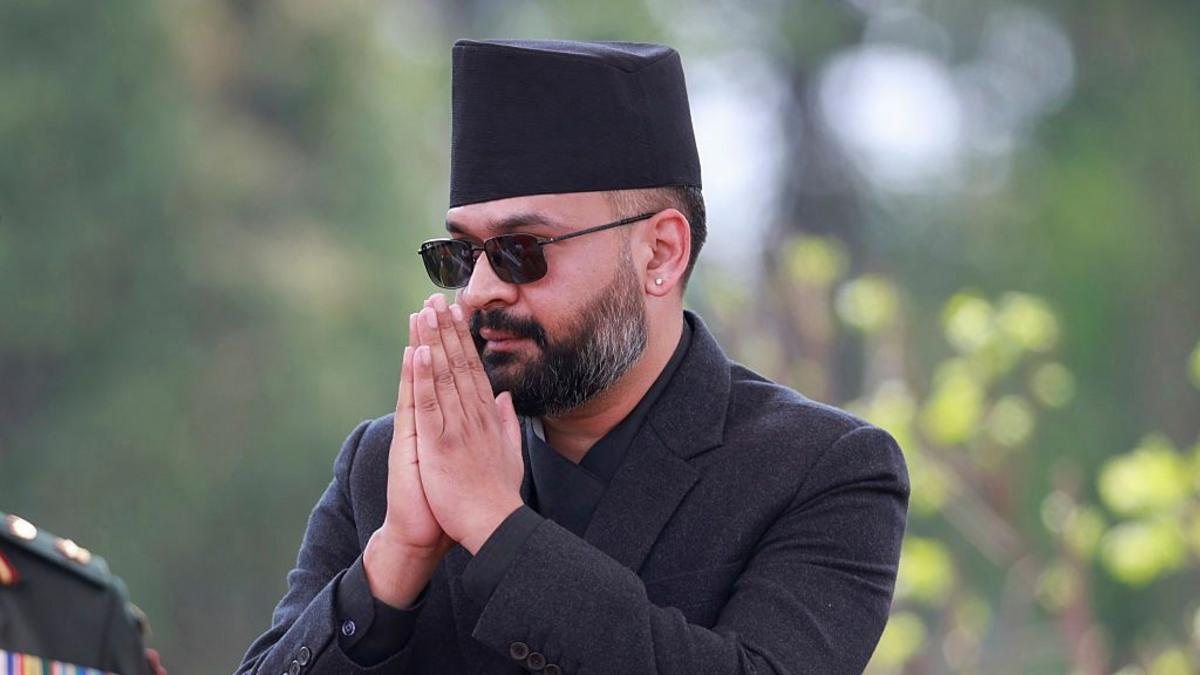
Nepal's Prime Minister Balendra Shah arrives in Delhi on Sunday for a two-day visit that analysts say could reset relations between the Himalayan nation and its powerful southern neighbour, according to BBC News World.
The trip is the 36-year-old rapper-turned-politician's first bilateral visit since his Rastriya Swatantra Party (RSP) won power in March. That victory came six months after a Gen Z-led uprising against corruption and nepotism brought down the government of K P Sharma Oli.
Shah is due to meet Indian Prime Minister Narendra Modi and other senior officials. Talks are expected to cover economic and energy cooperation, new air corridors and a reconstruction package after flash floods in August killed more than 1,450 people in Nepal and left thousands missing.
Flood recovery changes the plan
Shah had promised not to travel abroad during his first year in office, but the scale of the August disaster altered that position. His government puts the cost of reconstruction at nearly $5bn, and international aid pledged so far has fallen short of expectations, BBC News World reported.
India has often been among the first to help Nepal after major disasters, including the 2015 earthquake and this year's floods.
Close ties, lingering grievances
The two countries share deep ethnic, cultural, religious and economic links, with a largely open border of more than 1,750km. Families live on both sides and communities interact daily.
Bilateral trade is above $9bn but is heavily tilted in India's favour, a long-running source of resentment in Kathmandu. India also supplies most of Nepal's petroleum and several food items, and is a key transit route for Nepal's wider trade.
Relations have been strained over the years by territorial disputes, claims of political interference and what many Nepalis regard as Delhi's "Big Brother" attitude. In 2019, Nepal objected after India published a map including areas in the west, near the Chinese border, that Kathmandu claims. Nepal responded by issuing its own map featuring the disputed land.
Veteran Nepali analyst Kanak Mani Dixit told the BBC he hoped Shah would raise the border question, saying negotiations should begin even if no quick resolution is possible.
Hydropower and airspace
Energy is a major area of cooperation. India has approved projects to import up to 1,200MW of electricity from Nepal and wants to increase that. Nepal also sells power to Bangladesh through India.
Kathmandu has long pressed Delhi for additional air entry routes so large aircraft can fly from the west into its new airports at Bhairahawa, near Lumbini, and the tourist hub of Pokhara. Wider access would shorten flights, cut costs and help make the airports commercially viable. Some in Nepal believe Delhi is cautious because the Bhairahawa airport was built by a Chinese firm and the Pokhara airport with Chinese financial support.
Balancing two giants
Sitting between India and China, Nepal is seen by analysts as a strategic buffer whose stability matters to India's security. Both Asian powers compete for influence in Kathmandu.
Shah has not yet made overtures to Beijing, but ahead of his India trip he sent a 20-member delegation of party MPs to China for an 11-day visit from 15 November, a move viewed as an effort to balance relations.
Ranjit Rae, a former Indian ambassador to Nepal, told the BBC the new leadership appeared "more pragmatic, less ideological", describing the moment as optimistic.
Criticism at home
Not everyone is convinced. Dixit said Shah and his young advisers lacked experience and had shown a lack of gravitas needed for diplomacy with a far stronger neighbour.
The government is also under fire for removing police chief Dan Bahadur, who allegedly refused directives from the Prime Minister's office, and for sending police to some media houses to detain journalists over their coverage, prompting accusations of curbing press freedom.
Observers say Shah's real test will be returning with concrete commitments, particularly on financial aid, which could help ease mounting criticism at home.
This story was prepared by the Hamasta Newsdesk with AI assistance, based on reporting by BBC News World. Read the original report. Photo: BBC News World.




Show the impact of your work.
Impact stories, campaign videos and community engagement for NGOs and programmes.

More in International
See all
Spain's far-right Vox eyes kingmaker role ahead of November 29 snap election
Protests sweep 25 European countries over wages, services and living costs
ANC races to hold South Africa's big cities after worst-ever local election result
Mamdani unveils plan to close New York's Rikers Island jail by 2032
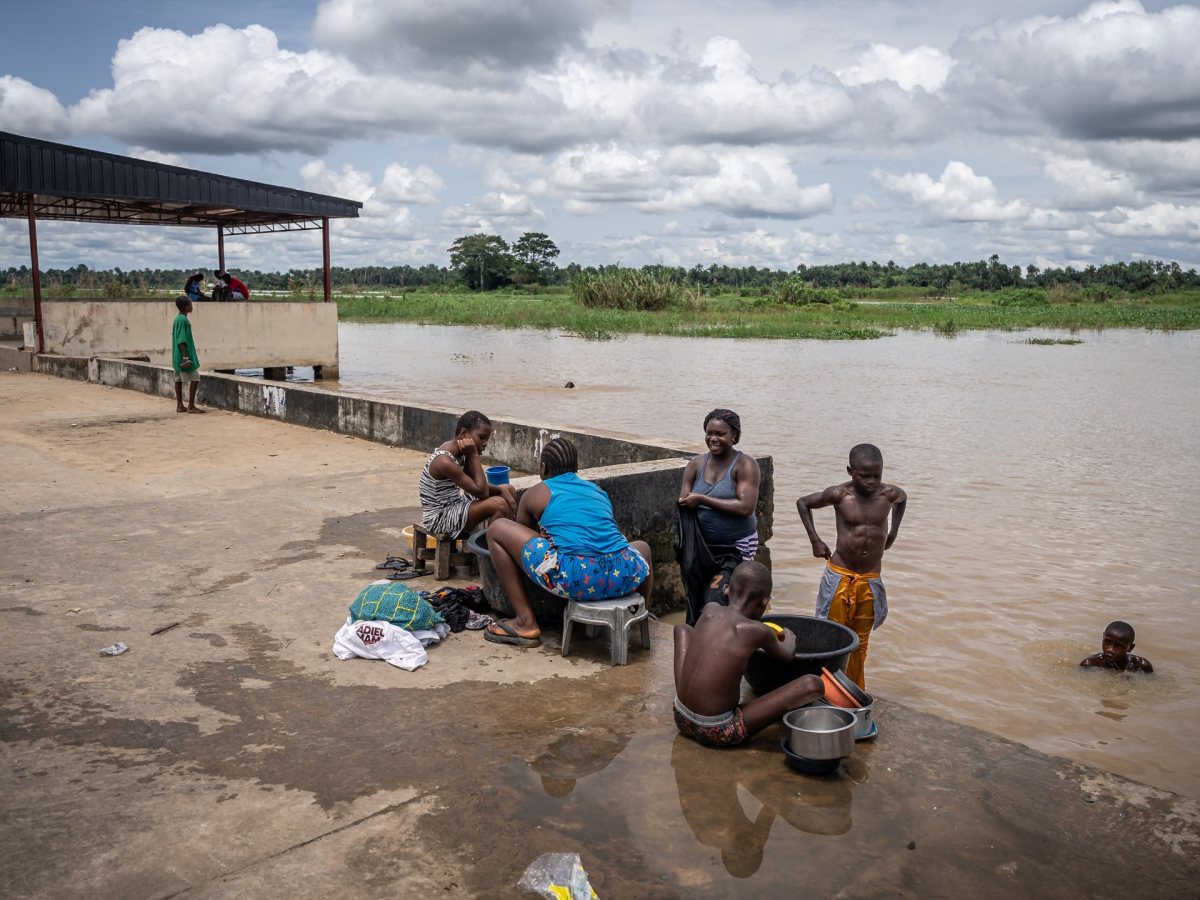
Boat carrying funeral mourners capsizes in Nigeria's Bayelsa, killing at least four
Global Community Remarks
0