
Chef Kwame Asie documents Gabon's razor clam tradition in bid to map Africa's food
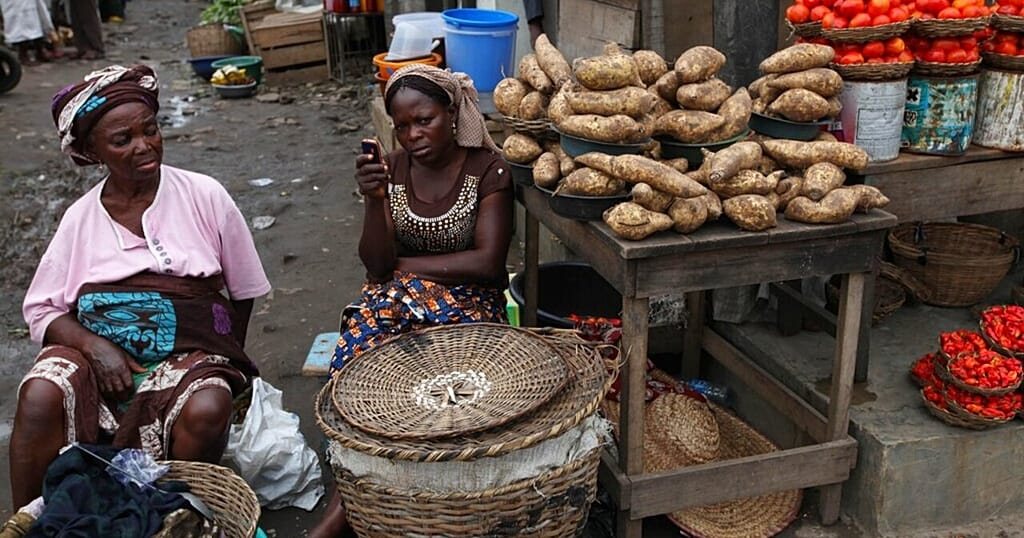
A Nigerian-Ghanaian chef who calls himself a food archivist has been recording the razor clam traditions of Gabon's Benga people, part of a wider effort to capture Africa's culinary knowledge before it is lost, according to Africanews.
Kwame Asie, 32, a chef and content creator, spent time with fisherwomen from the Lambi La Mbocka cooperative near Libreville, the Gabonese capital. Using a camera and a smartphone, he filmed how the women gather and prepare razor clams, a delicacy closely tied to the community's identity.
Knowledge passed down by word of mouth
Asie argues that a large share of African cooking knowledge has never been written down. Instead, he says, techniques and information about ingredients tend to be handed down orally and remain within indigenous communities.
He told Africanews that recording these practices was essential so that the information could reach the next generation, noting that most African techniques and food ingredients are not documented.
His work in Gabon focuses on one such tradition. For the Benga, razor clams are not simply something to eat but an inheritance that has been handed down over many generations.
"Razor clams are a legacy for the Benga people... it is part of our life." — Stella Ehebo Eyavo, Lambi La Mbocka cooperative
Stella Ehebo Eyavo, who harvests razor clams and belongs to the cooperative, described the shellfish as part of the community's roots, according to Africanews.
A journey across 54 countries
Gabon is one stop on a much larger journey. Asie has already travelled through West Africa and now aims to visit every one of the continent's 54 countries within three years. Along the way, he plans to document local ingredients, cooking methods and food customs.
His stated goal is to use food to draw links between communities in different regions. He said his work seeks to bridge the gap between West, Central and East Africa, pointing to what he called "gastrodiplomacy" — the way shared dishes and eating habits bring Africans together.
According to Africanews, Asie sees the continent as one large kitchen, with food serving as a common language through which Africans can protect their identity while celebrating the diversity of their cultures.
Why it matters
Asie's project reflects a broader concern that traditional food knowledge, often held by older members of rural and coastal communities, risks fading as it goes unrecorded. By filming harvesters and cooks in their own settings, he hopes to create a record that can be shared beyond the communities where the practices originated.
With East Africa named among the regions he hopes to link through his work, his journey across all 54 countries is expected to take him through the region in the coming years.
This story was prepared by the Hamasta Newsdesk with AI assistance, based on reporting by Africanews. Read the original report. Photo: Africanews.
Every moment, captured beautifully.
Events, corporate portraits, products and editorial shoots by our newsroom photographers.





More in Lifestyle
See all
UK travel blogger who has visited 165 countries ranks Nairobi among Africa's top 3 cities

KQ Flight Attendant Returns Ksh1.2 Million Bag Left on Johannesburg Flight

CELEBRATING THE MEN WHO MAKE A DIFFERENCE: A REFLECTION ON MANHOOD, CHARACTER AND PURPOSE

Huduma Kenya: Teen Mothers Without IDs Can Still Register Their Children's Births

Foreign Woman Seen Wandering Lodwar for a Week Draws Crowds and Questions

Global Community Remarks
0