
Kenya among 15 countries in talks with new African credit rating agency
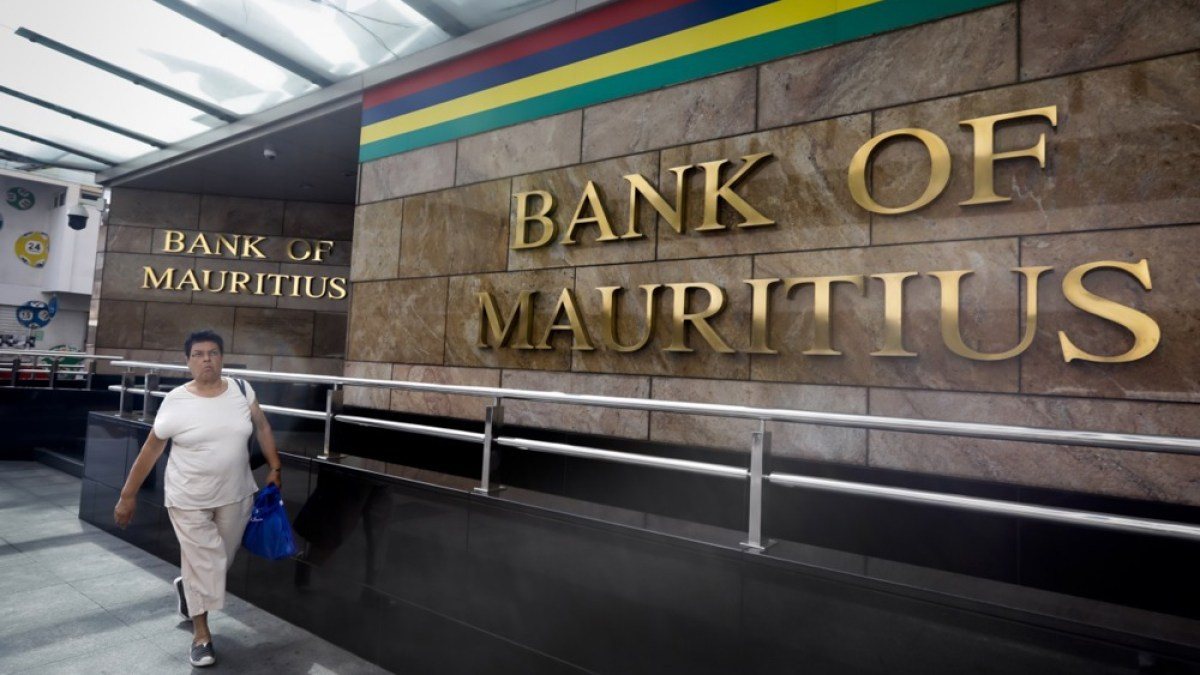
Kenya is among the countries where Africa's new continental credit rating agency plans to carry out research, as the body prepares to issue its first sovereign ratings by the end of March, according to Al Jazeera.
The Africa Credit Rating Agency (AfCRA) was officially launched by the African Union on October 7. It delivers on an initiative that African leaders first endorsed in 2017.
Its interim chief executive, Sifiso Falala, told Al Jazeera that the agency is already in discussions with 15 African governments. Research is planned in countries including Mauritius, Kenya, Togo, Seychelles and Burundi.
Local data, independent assessments
Headquartered in Port Louis, Mauritius, AfCRA is meant to provide independent assessments of African governments and corporate borrowers. It will draw on local data and expertise to complement the ratings issued by international agencies.
Beyond countries, the agency plans to rate companies, municipalities, banks and local-currency debt. That wider coverage could help domestic investors such as pension funds and banks, which need reliable information to judge local borrowers.
The cost of perception
African governments have long complained that international rating methods fail to reflect the continent's economic structures. A 2023 United Nations Development Programme study estimated that subjective elements in sovereign ratings cost African countries $74.5bn through excess interest payments and lending that never happened.
Falala argued that many African countries hold speculative-grade ratings even though they have never defaulted on sovereign debt, which he said raises valid questions about whether current models capture realities on the continent.
He stressed, however, that the aim is accuracy rather than generosity, and that AfCRA intends to work alongside established agencies rather than confront them. "Africa needs more credible assessments, not competing narratives," he said.
Big agencies push back
Moody's, S&P Global Ratings and Fitch Ratings have rejected claims that their assessments systematically disadvantage African borrowers.
Speaking at a Chatham House discussion in June, Moody's Marie Diron said four decades of global sovereign default data showed African countries with a given rating had broadly the same chance of default as similarly rated borrowers elsewhere. A B-rated sovereign, she said, carries an estimated one-year default probability of about 5 percent regardless of region.
Filling the information gap
Abdussalam Muazu, an associate chartered economist at the Institute of Chartered Economists of Nigeria, told Al Jazeera that investors often charge African borrowers more because they know too little about them. He noted that the major agencies have few analysts on the ground, while much economic activity runs through informal trade, mobile money and community finance that is difficult to measure from abroad.
Financial market professional Dayo Obisan told Al Jazeera that an Africa-focused agency could offer richer local data, contextual insight, wider coverage and support for domestic markets.
Questions over independence
Additional ratings will not automatically lower borrowing costs. Their influence will depend on whether investors find them credible.
AfCRA describes itself as privately owned and self-funded. Its sovereign ratings will be solicited, meaning governments pay for them and give the agency access to officials and financial data. Established agencies use the same model, which makes safeguards against conflicts of interest important.
The African Union says governments may not hold shares in the agency. Even so, AfCRA will need to show that its commercial ties with the borrowers it rates do not sway its conclusions, including when those conclusions are unwelcome to African governments.
Falala acknowledged scepticism around the rating industry, saying the agency has a chance to rebuild confidence through transparency and analytical independence.
This story was prepared by the Hamasta Newsdesk with AI assistance, based on reporting by Al Jazeera. Read the original report. Photo: Al Jazeera.

Tell your story on screen.
Commercials, documentaries, interviews and social video, from script to final cut.





More in Business
See all
US judge approves Bayer's $7.25bn settlement over Roundup cancer claims

Anthropic shares slide a day after record IPO as US tech sell-off deepens
Kenya taps private sector to develop embassy properties and cut KSh3bn rent bill
TikTok and ICC launch digital commerce training for Kenyan creators and small firms

Safaricom Warns Customers Against Unsolicited M-Pesa PIN Prompts as Fraud Losses Soar

Global Community Remarks
0