
UN 'killer robots' talks end without binding ban as states extend negotiations to 2028
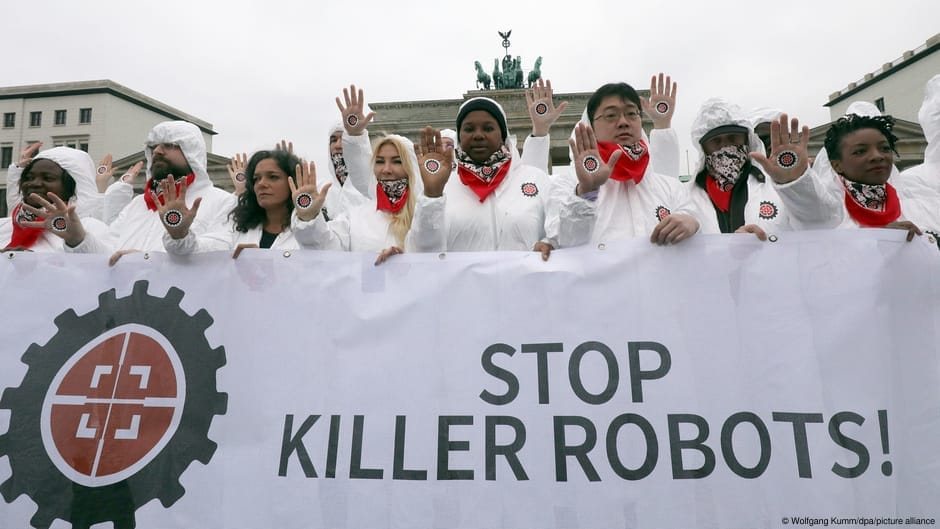
United Nations negotiations on how to control so-called killer robots closed in Geneva on Saturday without agreement on a legally binding ban. Instead, countries settled for two more years of talks aimed at producing new rules by 2028, according to DW News.
The outcome disappointed campaigners and the many governments that had pushed for a treaty on weapons that can select and kill targets without a human making the final decision to fire.
A week of talks ends overnight
Delegates from 128 states that are parties to the UN Convention on Certain Conventional Weapons (CCW) had met in the Swiss city from Monday. Concern has been growing over the use of lethal autonomous weapons systems in conflicts around the world.
The conference wrapped up early on Saturday after several hours of overnight bargaining, DW News reported.
The conference's Swiss chair, Julien Thoni, told journalists that the 128 countries had agreed to begin developing an international instrument on lethal autonomous weapons over the next two years. He presented the deal as evidence that multilateral diplomacy can still deliver concrete results in a deeply divided world.
Major powers resist a ban
Close to 100 nations had called for negotiations on a legally binding agreement covering the systems. That position was backed by UN Secretary-General António Guterres, Pope Leo XIV and the Red Cross, all of whom had supported a ban.
However, countries that already possess the technology were among those opposing such a mandate. According to DW News, these included major arms producers such as the United States, Russia and Israel.
The final agreement leaves unclear whether the document that emerges from the next round of work will carry legal force.
Campaigners voice disappointment
Rights groups said the result fell well short of what was needed. Stop Killer Robots, a global coalition of more than 300 organisations, criticised the final text in a statement carried by the AFP news agency.
"States adopted a watered-down mandate that fails to chart a clear path towards a legally binding instrument."
The coalition said more than 95 states had expressed support for a treaty, but that a small number of countries had diluted the mandate in the final hours of the talks. That late change, it argued, has created uncertainty over the legal status of whatever document is eventually produced.
Weapons already on the battlefield
The campaign group had warned before the conference closed that autonomous weapons were no longer a distant prospect. It said such systems were already reaching the battlefield and had been tested or deployed, including in the war in Ukraine.
Supporters of a ban argue that allowing machines to decide who lives and dies raises serious ethical and legal questions, particularly around accountability when civilians are harmed.
What happens next
Under the agreement reached in Geneva, CCW member states will now work over the next two years on drafting an international instrument on lethal autonomous weapons systems, with the aim of agreeing new rules by 2028.
Whether that process produces binding obligations or a looser set of guidelines is likely to remain a point of contention between the majority of states seeking a treaty and the technologically advanced military powers that have so far resisted one.
This story was prepared by the Hamasta Newsdesk with AI assistance, based on reporting by DW News. Read the original report. Photo: DW News.
Every moment, captured beautifully.
Events, corporate portraits, products and editorial shoots by our newsroom photographers.






More in International
See all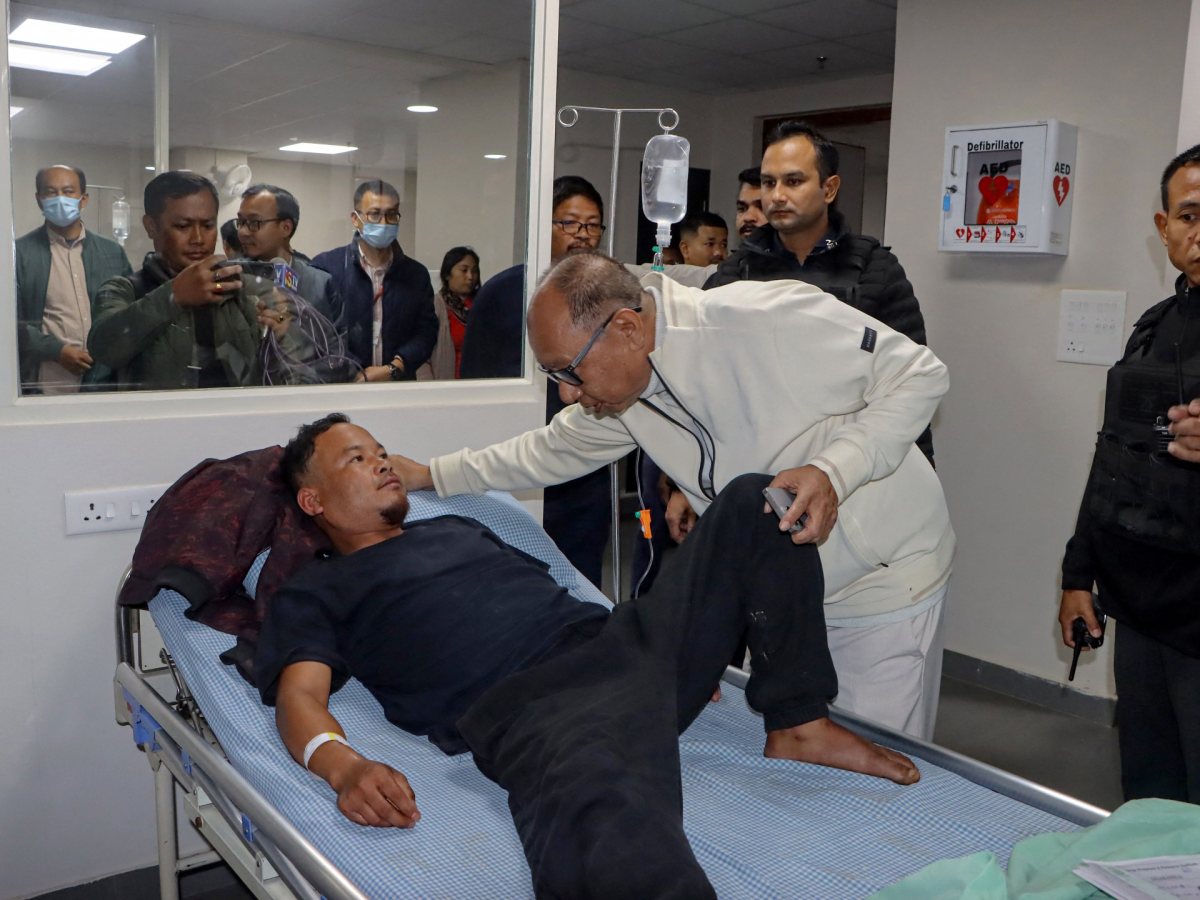
Toxic alcohol kills 11 and sends over 180 to hospital in India's Manipur
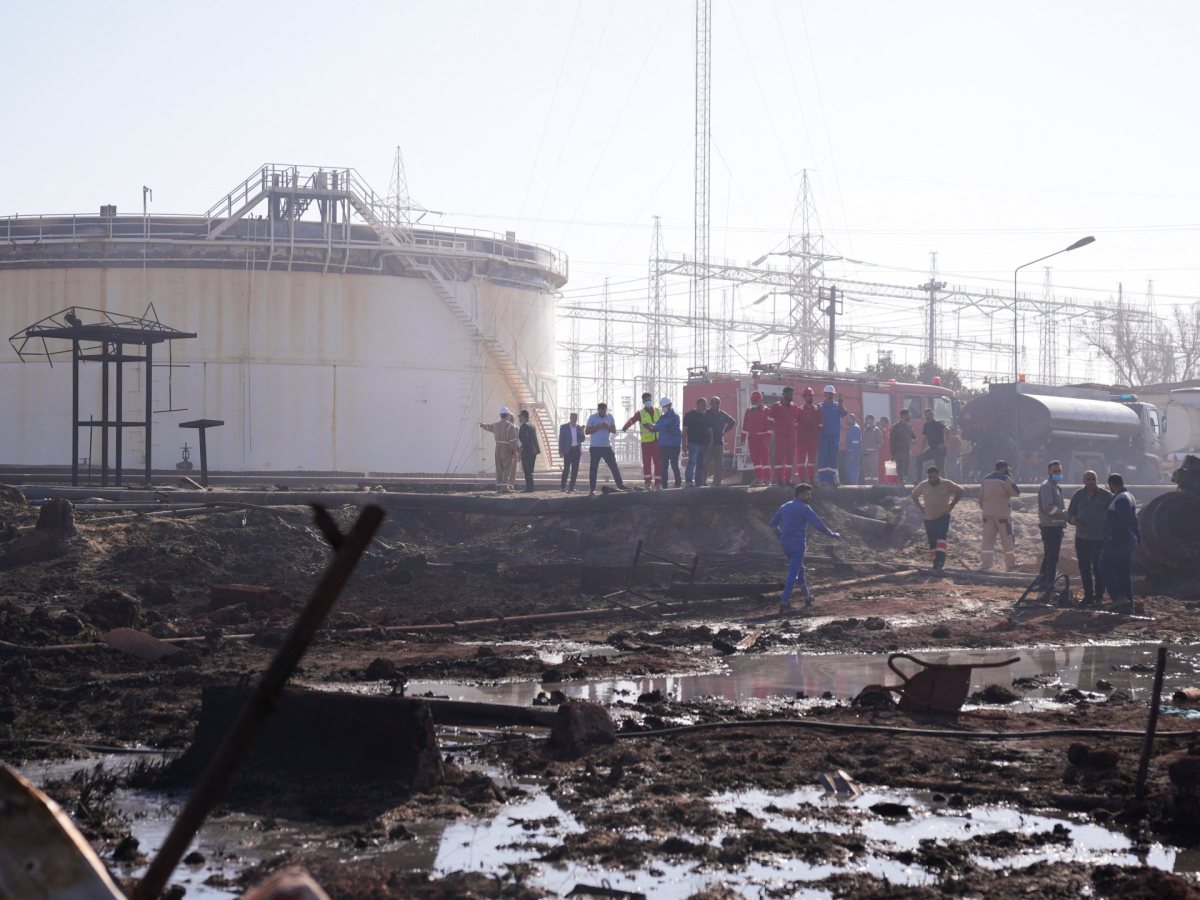
Deadly fire at Iraq's Hartha power station in Basra spreads to nearby homes
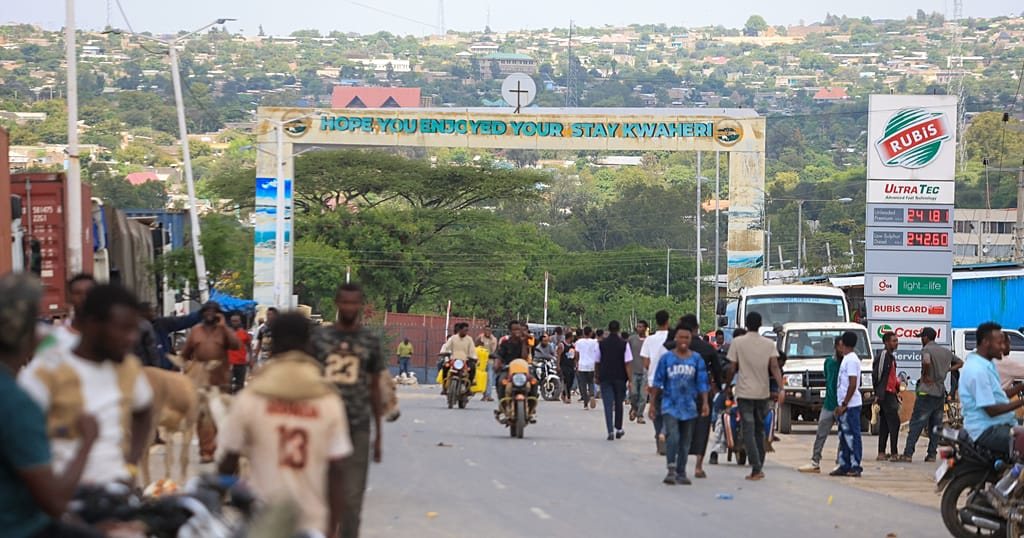
Moyale clashes displace about 700,000 in southern Ethiopia, 50,000 flee to Kenya

Honduras court convicts three Americans and a local in sex-trafficking network case
US Agriculture Department and FBI breached by hackers, US media report

Global Community Remarks
0