
Seed quality will decide fate of Eastern Africa's tree restoration drive, experts warn
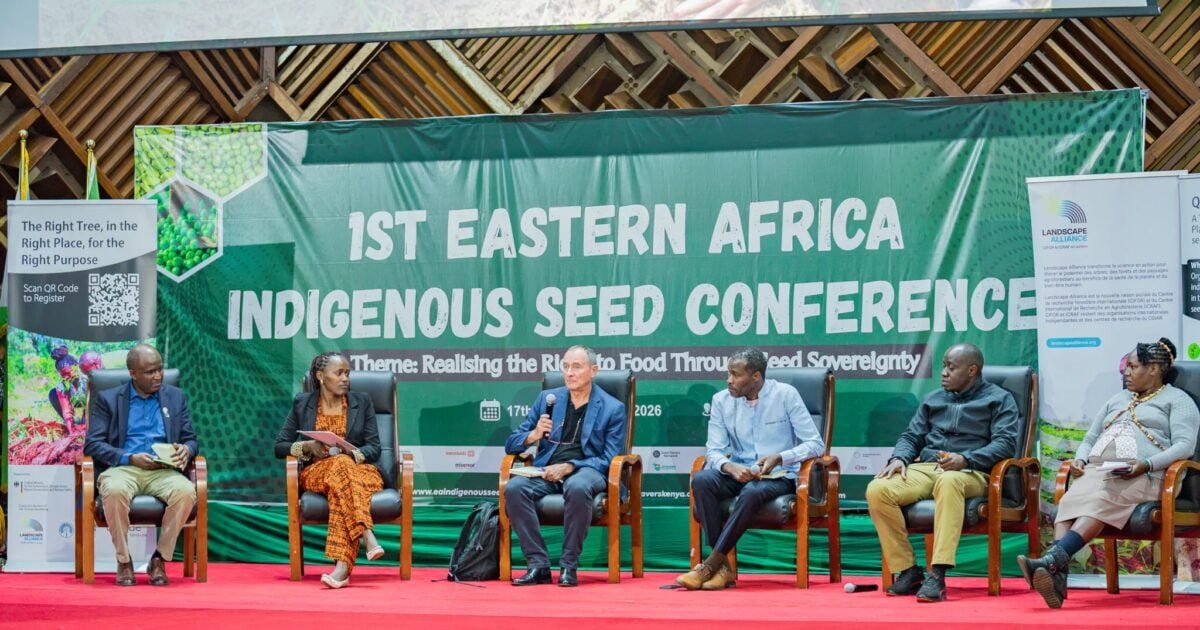
Efforts to restore degraded landscapes across Eastern Africa could falter unless more attention is paid to the quality and origin of the tree seeds being planted, experts have cautioned, as shifting rainfall patterns put young trees at growing risk.
The warning came out of the first Eastern Africa Indigenous Seed Conference, held at the Catholic University of Eastern Africa in Nairobi from November 17 to 20, according to Capital FM Kenya. The meeting drew farmers, researchers, policymakers, seed custodians and development partners seeking to strengthen farmer-managed seed systems in the region.
Participants argued that planting trees without weighing how well they will cope with future climatic conditions could waste restoration investments. They called for more funding for quality indigenous seed and a bigger role for communities in producing it.
Planting for tomorrow's climate
Sammy Carsan, an agroforestry specialist at Landscape Alliance, said the choice of seed source was central to whether trees planted now would endure in the decades ahead.
"The tree you plant today has to survive the climate of future years," Carsan said.
He urged restoration practitioners to factor in the traits of each species, local environmental conditions and projected changes in climate when sourcing seed. Poor choices, he warned, could leave restored areas exposed as temperatures climb and rains become less predictable.
Digital tools to match trees to places
Roeland Kindt, a senior ecologist at the same organisation, pointed to scientific research and digital technology as aids in identifying which indigenous species and seed sources suit particular locations.
He presented Landscape Alliance's Global Useful Native Trees (GlobUNT) database, which holds information on useful tree species and is designed to support evidence-based decisions on species selection and seed sourcing.
Kindt described the guiding idea as getting the right tree into the right place from the right seed source, adding that digital tools were helping to achieve this.
According to Capital FM Kenya, such tools allow practitioners to assess how native species might perform under different climatic conditions and to find appropriate seed for specific planting sites, a significant consideration given the region's wide ecological variety.
A business opportunity for rural communities
Speakers also stressed that indigenous tree seed is not only an environmental matter but an economic one. Seed collection, production and nursery enterprises can generate income and jobs while supplying planting material for conservation and restoration programmes.
Paul Mwanza, chief executive and co-founder of Palma Mukuyuni Tree Nursery, said indigenous trees gave communities a chance to build viable businesses while also contributing to conservation, and encouraged people to embrace the opportunity.
Discussions at the conference emphasised involving farmers and local communities throughout the seed value chain, from gathering and conserving seed to raising seedlings and supplying restoration projects.
Such involvement, participants said, could strengthen local seed supply, open up alternative livelihoods and ensure that communities share in the benefits of rising investment in landscape restoration.
Bridging science and tradition
The gathering further highlighted the need to link scientific research with traditional knowledge and hands-on conservation work.
Experts at the event agreed that successful restoration depends on close collaboration among researchers, farmers, policymakers and seed enterprises, rather than any one group acting alone.
This story was prepared by the Hamasta Newsdesk with AI assistance, based on reporting by Capital FM Kenya. Read the original report. Photo: Capital FM Kenya.


Grow an audience that listens.
Social media management, digital campaigns and online storytelling that converts.



More in Environment
See all
Kenya Met Forecasts Rain in Most Counties From Sunday, Uasin Gishu and Turkana Dry
NEMA Arrests Njiru Businessman in Nairobi Crackdown on Banned Plastic Bags

Kenya named in climate science row slowing talks at COP31 in Antalya
Kitui school gets solar-powered irrigation project as seven more set for county
.jpeg)
Activists chant 'shame' as COP31 climate talks stall in Turkey
Global Community Remarks
0