
Kenya among four African nations adding over 1GW of solar in 2025, IEA says
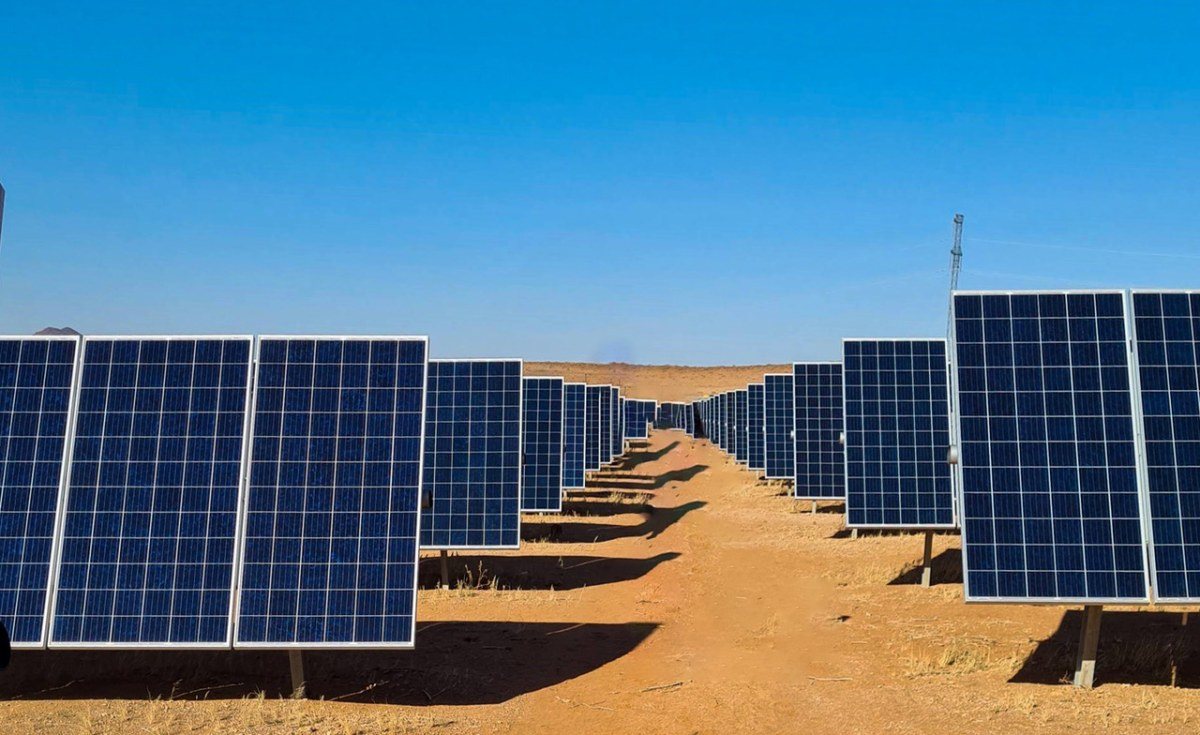
Kenya was one of four African countries that each added more than one gigawatt (GW) of solar power capacity in 2025, according to a new report by the International Energy Agency (IEA). The report says small-scale installations have overtaken large solar farms as the main engine of growth on the continent.
The IEA's World Energy Outlook, published on Thursday, names Algeria, Kenya, Nigeria and Senegal as the countries that passed the 1GW mark in new capacity last year, according to a Premium Times report carried by allAfrica Kenya.
From solar farms to rooftops
Ten years ago, solar deployment in Africa was concentrated in large utility-scale projects, mostly in established markets such as Egypt and South Africa. The IEA says the market is now increasingly shaped by smaller, decentralised systems serving households, businesses and industries looking for alternatives to unreliable power supply.
South Africa nonetheless remains a major player, accounting for more than one-third of the continent's total capacity additions over the period the agency examined.
Installed solar capacity across Africa has risen eightfold, helped by a surge in imports of photovoltaic (PV) equipment since 2017. Most of that growth has come from China, from which imports have increased 28-fold, the report says.
Where are the missing panels?
The data also reveal a striking gap. Trade figures show Africa imported about 26GW of solar PV equipment in 2025 alone, while reported installations stood at roughly 10GW.
Since 2020, Chinese solar equipment shipped to Africa has reached about 60GW, yet recorded installations amount to less than half of that. The IEA puts the gap between imported and officially installed capacity at about 35GW over the past five years.
The agency attributes the shortfall partly to equipment sitting in inventories for long periods, installations that are not captured in official statistics, and possible structural inconsistencies in trade and deployment data. It also raises the possibility that some equipment is being stockpiled or re-exported.
Using new tools that combine satellite imagery and remote sensing, the IEA found more than 50 per cent more utility-scale solar capacity across Africa than governments had officially recorded. Even so, after accounting for those unreported installations, a gap of nearly 30GW remains unexplained.
The findings suggest that Africa's solar market may be growing faster than conventional energy statistics can track, though the exact scale of stockpiling, re-exports and unrecorded use remains uncertain.
Early signs of local manufacturing
About 15 per cent of solar imports are solar cells rather than finished modules, some of which may be feeding Africa's emerging manufacturing sector. Module production capacity on the continent was still limited in 2025, but Egypt and Ethiopia have since emerged as leading producers, while other countries, including Nigeria, are pursuing plans to expand domestic manufacturing.
Nigeria's push away from generators
In Nigeria, households and businesses have turned to solar in growing numbers amid repeated grid collapses, ageing infrastructure, gas supply shortages and estimated billing. The removal of the petrol subsidy in 2023 by President Bola Tinubu's administration pushed up the cost of running generators, further strengthening the case for solar. Energy experts there have called for more local manufacturing, affordable financing and stronger regulation.
Sixfold growth projected
Under the IEA's Stated Policies Scenario, Africa's installed solar capacity is projected to grow sixfold over the next decade. The agency expects that growth to come from a mix of utility-scale plants, industrial energy systems and smaller distributed installations for homes and businesses.
The report comes as climate activists press world leaders at the ongoing climate talks in Turkey to phase out fossil fuels and pursue a fair transition to renewable energy.
The spread of smaller systems, the IEA suggests, could change how Africans access electricity, particularly in countries where grid reliability, affordability and access remain serious challenges.
This story was prepared by the Hamasta Newsdesk with AI assistance, based on reporting by allAfrica Kenya. Read the original report. Photo: allAfrica Kenya.


Grow an audience that listens.
Social media management, digital campaigns and online storytelling that converts.



More in Environment
See all.jpeg)
Activists chant 'shame' as COP31 climate talks stall in Turkey
Kenya says its push to delay IPCC climate report is about capacity, not politics
Africa presses for more climate cash at COP31 as EU insists on using existing pledges
Greenpeace protests at COP31 in Turkey, says climate finance push is stalling
Uganda presses rich nations for climate cash at COP31, defends oil and carbon plans
Global Community Remarks
0