
Africa presses for more climate cash at COP31 as EU insists on using existing pledges
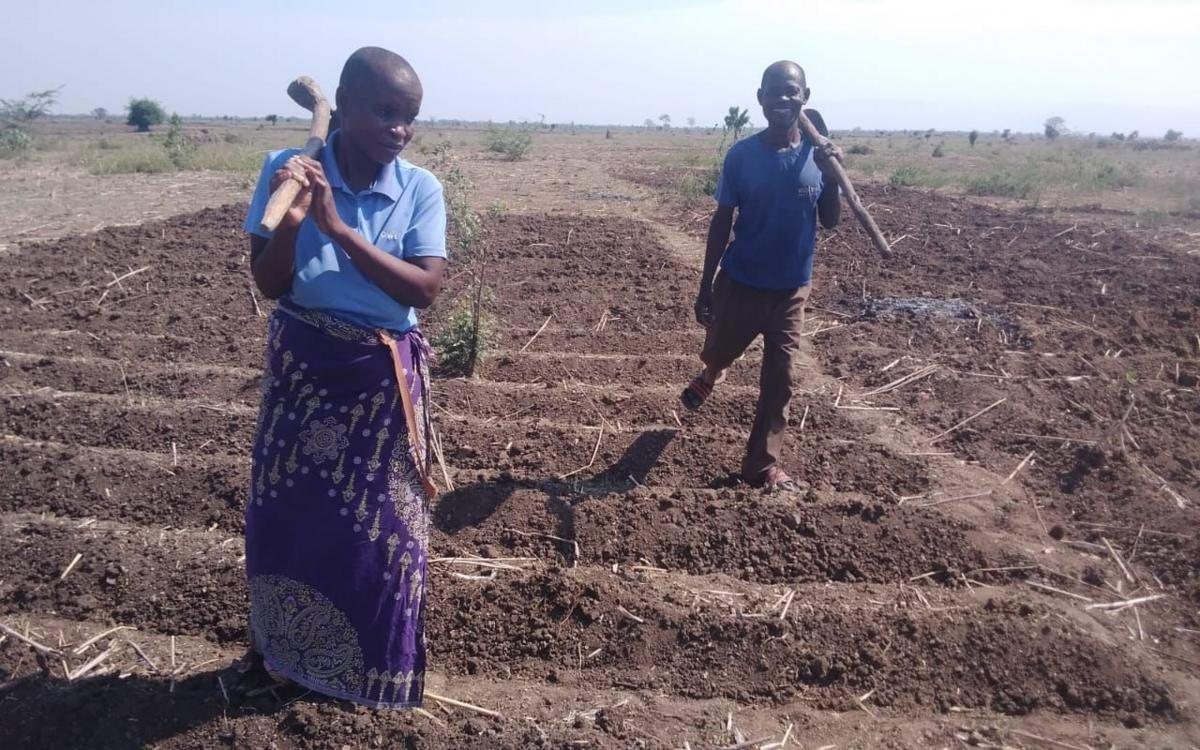
African countries at the UN climate summit in Turkey are pressing wealthy nations for a major increase in funding to help them adapt to climate change, but the European Union says the priority should be getting money already pledged to the communities that need it, according to BBC News Africa.
The African Group of Negotiators at COP31 wants adaptation finance tripled by 2035, using as a baseline the annual $40bn (£30bn) it says developed countries committed to providing by 2025. How that commitment should be interpreted remains disputed, and the proposal was not admitted for formal negotiations, although African delegates have kept pushing it.
EU: deliver what is already promised
The EU, one of the largest sources of climate finance, signalled it would not bring fresh money to the table. Darragh O'Brien, who leads the bloc's delegation on behalf of the Irish presidency of the Council of the EU, told a press conference the focus was on ensuring existing commitments are deployed. He conceded that developing countries struggle to access available funds and that the process needs improvement.
European climate commissioner Wopke Hoekstra made a similar argument, saying money that sits in the bank without reaching vulnerable nations is "effectively meaningless". He said the EU had supplied $30bn of the $100bn in climate finance committed by developed countries in recent years and urged other rich nations to contribute more.
A widening gap
The figures cited by BBC News Africa show the scale of the shortfall. The UN's Adaptation Gap Report, published last year, estimates sub-Saharan Africa needs about $51bn a year in adaptation finance, while the Middle East and North Africa needs $112bn. Developing countries globally will need around $300bn annually by 2035, yet received only about a tenth of that from developed nations in 2024.
Nairobi-based think tank Power Shift Africa projects climate-related loss and damage in Africa will cost $440bn between 2020 and 2030. Under the 2015 Paris Agreement, developed countries are obliged to provide financial support to developing nations, including for adaptation.
Missing plans, missing money
A complicating factor is that 23 African countries, including Uganda and Malawi, have yet to submit National Adaptation Plans (NAPs) to the UN climate secretariat. These documents set out climate risks and needs, and experts say their absence makes funding harder to secure.
David Abudho, climate justice lead at Oxfam, said many of the countries without plans were already battling debt distress and economic pressures. ActionAid's Sheila Apiny described a vicious cycle in which countries lack the support to draw up plans, and lack of plans then blocks funding. She added that even countries with completed plans have received far less than they need.
Amos Wemanya of Power Shift Africa warned that without planning and resources, governments end up diverting scarce money to emergency relief rather than early warning systems, resilient farming and flood protection.
Mahlet Eyassu Melkie, a senior adviser to Ethiopia's COP32 presidency, said Africa's financing needs rest on scientific assessments and vulnerability, not simply on whether every country has filed a particular document.
Lives on the frontline
In Uganda's Karamoja region, local officials say more than 90% of crops have failed after a drought that began in April. Farmer Elijah Lobur, 44, told the BBC his family now eats one meal a day. "Seven months without rain has brought us to this point where we now live in hunger," he said.
In Malawi's Chikwawa district, Mathews Nkhambala lost his home and harvest to floods in April 2024 and now fears drought will wipe out this season's crop. A government assessment found Malawi has faced more than 50 climate-linked disasters since 1980.
Kenya was cited as an example of adaptation at work. In the arid south-east, UK charity Sand Dams Worldwide and its local partner, the Africa Sand Dam Foundation, say they have built about 1,300 sand dams that store water underground for use in dry periods.
This story was prepared by the Hamasta Newsdesk with AI assistance, based on reporting by BBC News Africa. Read the original report. Photo: BBC News Africa.


Grow an audience that listens.
Social media management, digital campaigns and online storytelling that converts.



More in Environment
See all
Greenpeace protests at COP31 in Turkey, says climate finance push is stalling
Uganda presses rich nations for climate cash at COP31, defends oil and carbon plans
Kenya Red Cross gets 31 boat engines from ICRC to boost flood rescues
Kenya Met forecasts rain and thunderstorms across counties on November 20
COP31 draft deal drops all mention of fossil fuels as Turkey talks near deadline
.jpeg)
Global Community Remarks
0