
Kenya says its push to delay IPCC climate report is about capacity, not politics
Kenya has defended its support for a longer timeline for the next major United Nations climate science assessment, insisting its position stems from a lack of capacity among African scientists rather than any political or fossil-fuel interest, according to allAfrica Kenya.
The schedule for the Intergovernmental Panel on Climate Change (IPCC) Seventh Assessment Report, known as AR7, has emerged as one of the most divisive issues at this year's UN climate conference, COP31, in Türkiye.
The IPCC's assessment reports, issued every five to seven years, are used by governments to shape their climate policies.
Kenya cites under-representation
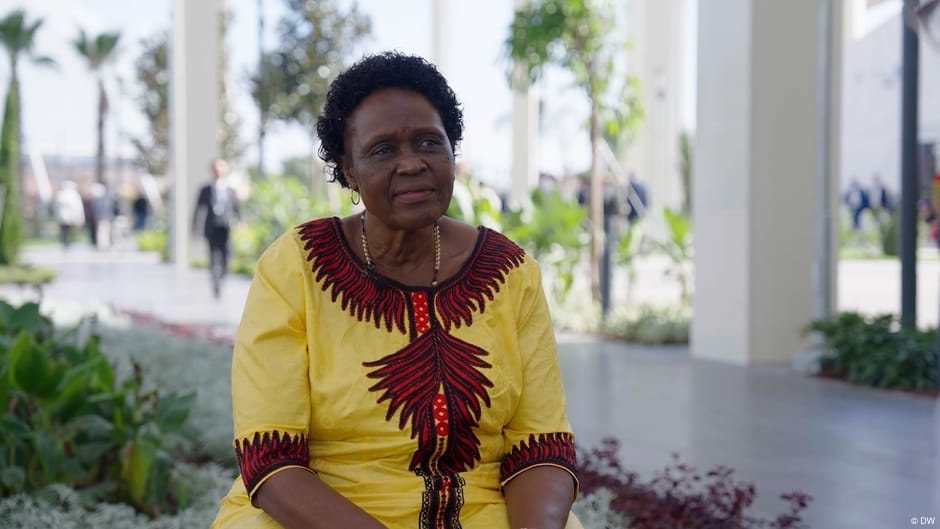
Patricia Achieng' Nying'uro, Kenya's IPCC Focal Point, told reporters at the conference that Kenya wants a schedule that allows its technical reviewers, negotiators and authors enough time and support to participate meaningfully in the process.
She said Africa has historically been under-represented across previous IPCC cycles and that AR7 offers a chance to partly correct that imbalance.
According to Nying'uro, several authors already working on AR7 have raised concerns about workload and time pressures. She noted that many scientists from developing countries, including members of focal point teams, do not receive dedicated time away from their regular jobs for IPCC work and must fit it around their other duties.
A compressed timeline, she argued, would add to that strain and risk leaving the region under-represented in the final report. She said Kenya's main concern is that the assessment remains robust and genuinely representative of the regions it covers.
Kenya's stance stands apart from that of major fossil-fuel producers, as the country generates about 90 per cent of its electricity from renewable sources, according to the International Energy Agency.
A deadlocked process
The AR7 cycle began in July 2023, but member governments have yet to agree on a final delivery date. At the IPCC's 65th plenary session in Addis Ababa, Ethiopia, in October, Chair Jim Skea suspended proceedings after delegates failed to reach agreement on the dates.
China, Saudi Arabia, India and Russia are pushing to move publication from 2028 to 2029, arguing that this would allow wider participation from developing nations. Chad and some island nations, on the other hand, want the report's timelines and budget aligned with the 2028 Global Stocktake, the periodic review of global progress under the Paris Agreement.
The upcoming report is expected to cover loss and damage for the first time.
Critics see political motives
Critics argue that China, Russia, Saudi Arabia and India, which earn billions of dollars from fossil fuels, are using the language of inclusivity to protect their own interests.
Mary Robinson, former president of Ireland and a founding member of The Elders, acknowledged that African countries have legitimate concerns about capacity building but said these should be addressed separately and are no reason to hold up the IPCC's work. She said developed nations could tackle the resource gap facing developing-country scientists without delaying the report, and stressed the importance of publishing AR7 in time for the next Global Stocktake.
Laurence Tubiana, chief executive of the European Climate Foundation, said the push for delay was political rather than scientific. While she agreed that contributions from Global South scientists were central and that resources must be mobilised to support them, she pointed out that vulnerable countries such as Nepal and small island states want the report released so they can plan.
"The most vulnerable of the developing countries badly want this report," Tubiana said.
She added that such countries lack the capacity to produce their own separate assessments and therefore depend on the IPCC's findings.
This story was prepared by the Hamasta Newsdesk with AI assistance, based on reporting by allAfrica Kenya. Read the original report.



Know what people say about you.
Media monitoring, audience insights and strategic communication for your brand.


More in Environment
See all
Africa presses for more climate cash at COP31 as EU insists on using existing pledges
Greenpeace protests at COP31 in Turkey, says climate finance push is stalling
Uganda presses rich nations for climate cash at COP31, defends oil and carbon plans
Kenya Red Cross gets 31 boat engines from ICRC to boost flood rescues

Kenya Met forecasts rain and thunderstorms across counties on November 20
Global Community Remarks
0