
German report warns religious freedom is worsening worldwide, singles out China
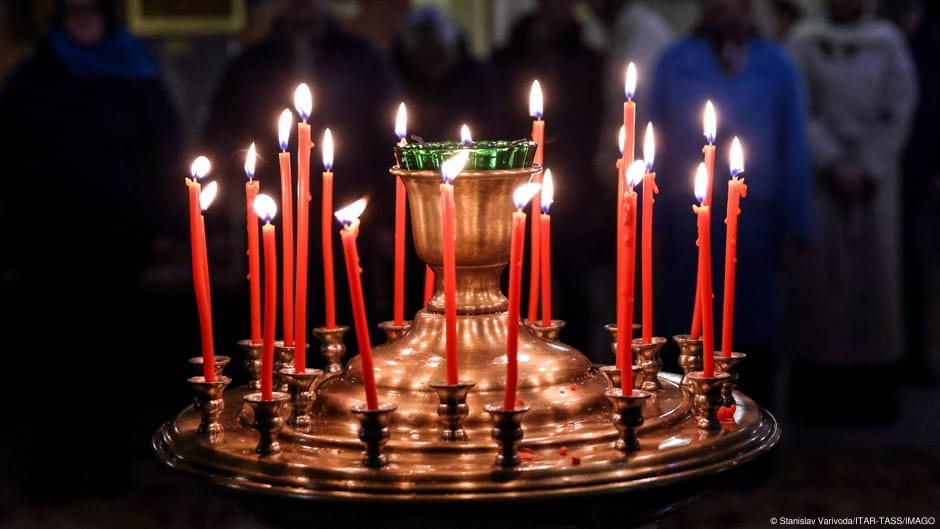
Freedom of religion and belief deteriorated across much of the world between 2023 and 2025, according to a new German government report that is unusually blunt in its criticism of China, DW News reports.
The report runs to more than 150 pages and was recently adopted by the Cabinet in Berlin. It is the government's fourth on the subject. Thomas Rachel, Germany's commissioner for freedom of religion and belief and a Christian Democratic Union (CDU) lawmaker, summed up its main finding: the global situation got worse during the period under review.
The report blames rising violent conflict, the spread of authoritarian rule and growing populism for what it calls "painful restrictions" on religious freedom. Its focus is less on pressure against religious institutions and more on individuals, whether they hold a faith or none.
Thirty countries examined
The report does not try to count attacks or the number of people persecuted. Instead, it looks closely at 30 countries where Berlin believes religious freedom is being curtailed. Roughly six each come from Africa, Asia and the Arab world.
In Europe, it examines Belarus, Russia, Ukraine and Turkey. In Latin America, it covers Mexico, Nicaragua and Cuba. It also points to shortcomings in five of the world's six most populous countries: China, India, Indonesia, Pakistan and Nigeria.
Rachel stressed why the issue matters, noting that faith is central to the identity of four in five people worldwide. Pew Research Center data puts the share of people who identify with a religion at about 84%.
China, India and Nicaragua
On China, the report describes a significant tightening of state control at the expense of religious freedom. Uyghurs, Tibetans and churches without official approval are among those most affected. It cites a law on the "Promotion of Ethnic Unity and Progress", which it says came into force on 1 July 2026 and places religion beneath national identity and patriotic education.
In India, the report warns that Hindu nationalist efforts threaten the equal treatment of recognised religions. It says Muslim and Christian communities report rising intolerance and hate speech, and that violent Hindu extremist groups have carried out many physical attacks on Muslims, often with an inadequate response from police and authorities.
Nicaragua is singled out as one of the sharpest declines. Restrictions since 2018 have mainly targeted the Catholic Church, and the report says intimidation, imprisonment and expulsion have forced about 130 priests and nuns out of the country.
A 'holy war' in Ukraine
Some of the strongest criticism is directed at Patriarch Kirill of the Russian Orthodox Church. The report says the church under his leadership has backed Russia's war against Ukraine and presented it as a holy war. It states that weapons are blessed, soldiers absolved of sins and donations gathered for the war effort.
Repression reaching into Germany
The report also highlights transnational repression, in which governments harass or intimidate people beyond their own borders. It calls this a growing global problem that also affects Germany, made easier by spyware and social media smear campaigns. Tactics range from physical attacks to online defamation and threats against relatives back home.
Russia and Iran are named as the main perpetrators in Germany. China is described as targeting Uyghurs, Tibetans and Falun Gong members living in Germany, while pressuring their families in China.
Shift in Berlin
Rachel said he hopes the report will be discussed in as many parliamentary committees as possible. Earlier reports were debated at least once in the full Bundestag.
The issue has also gained prominence under Chancellor Friedrich Merz's government. Rachel's post now sits in the Foreign Ministry rather than the development ministry, reversing a move by the previous coalition under Olaf Scholz that had lowered its profile. Foreign Minister Johann Wadephul, DW News notes, has already visited the Vatican more often than his two predecessors combined.
This story was prepared by the Hamasta Newsdesk with AI assistance, based on reporting by DW News. Read the original report. Photo: DW News.


Take your event live to thousands.
Multi-camera live streams, panel discussions and digital broadcasts with professional crews.




More in International
See all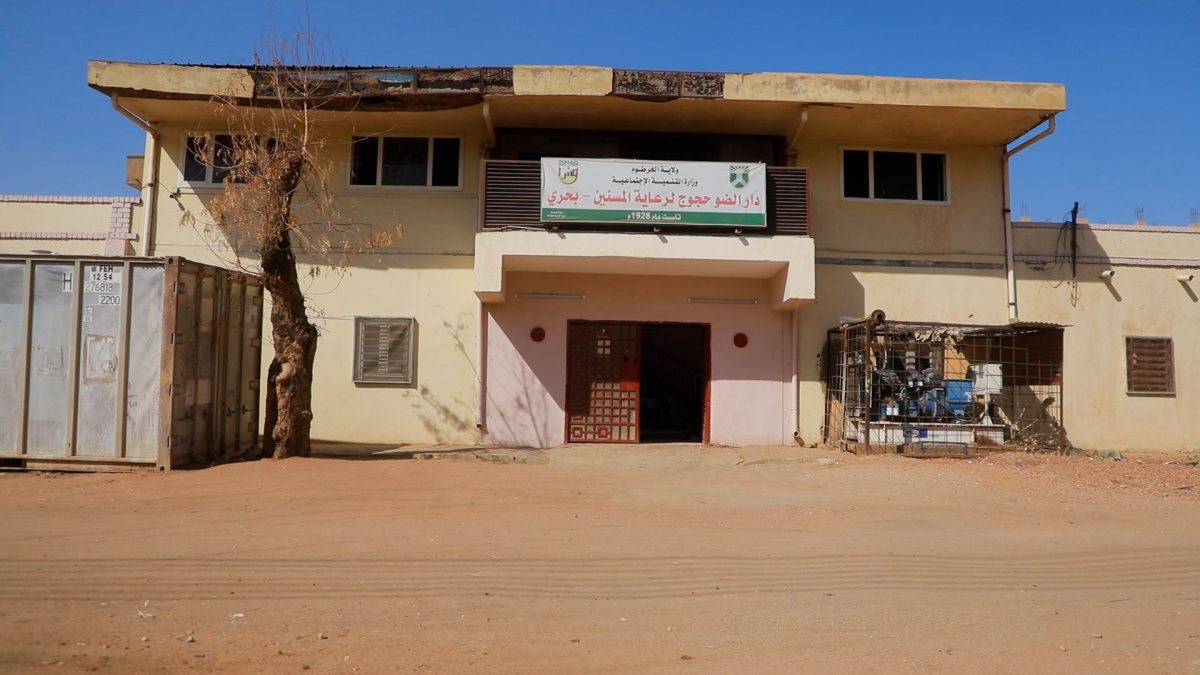
Sudan war leaves elderly displaced, separated from families and short of care

Drone strike sets Russian cargo ship on fire in Gulf of Finland
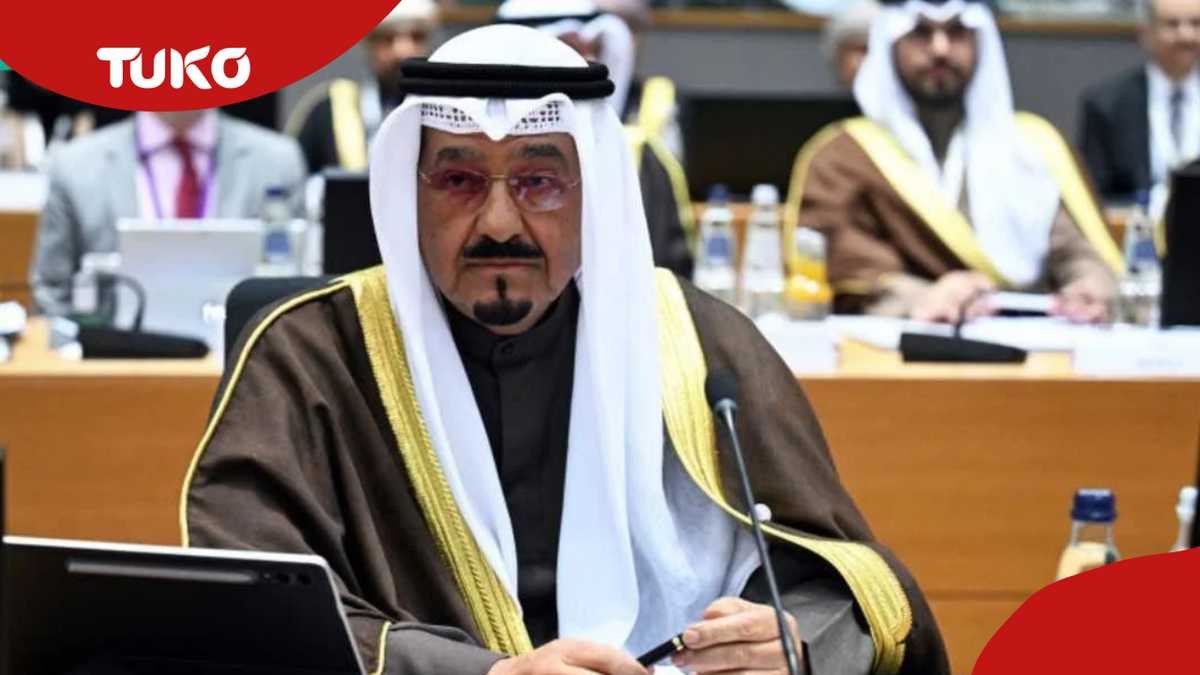
Kuwait Sets 18 as Minimum Working Age for Citizens and Foreign Jobseekers

US Bars Visa-Free Entry for Travellers Who Visited 8 Countries, Including Somalia
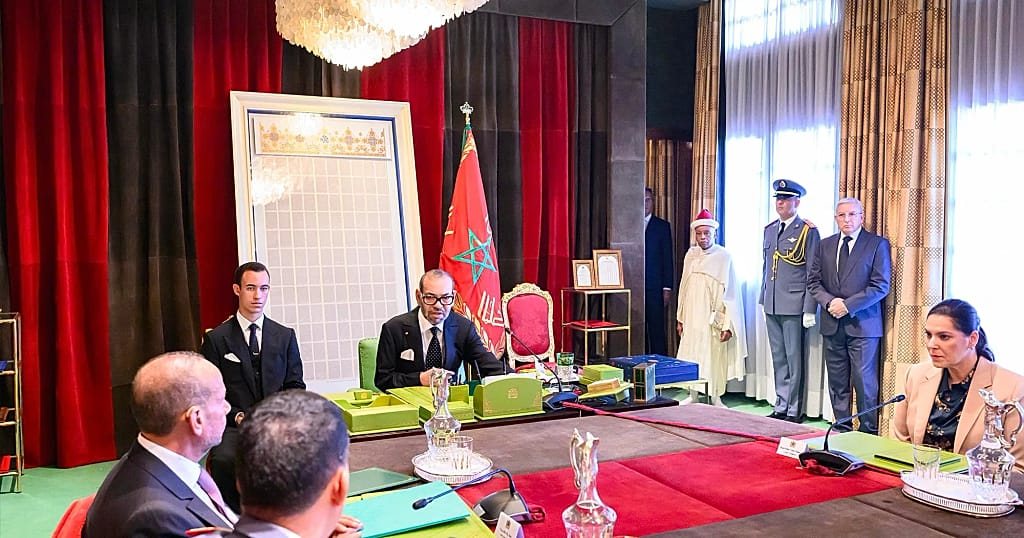
Morocco puts €366m behind plan to build home-grown defence industry by 2035

Global Community Remarks
0