
EU and Indonesia sign free trade deal after nearly a decade of talks
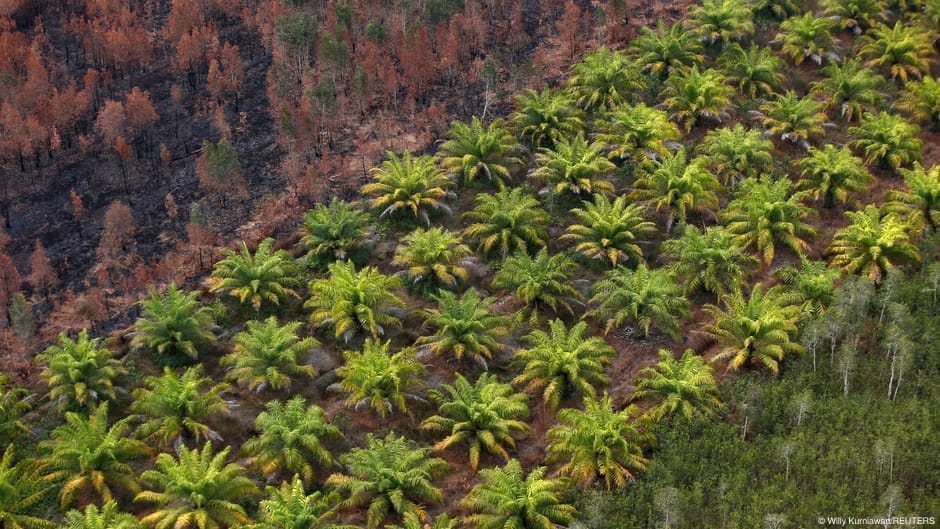
The European Union and Indonesia signed a free trade agreement on Saturday, ending close to ten years of negotiations and creating a combined market of some 730 million people, according to DW News.
The pact will remove tariffs on roughly 98% of goods the EU exports to Indonesia. Brussels estimates that European firms could save more than €600 million a year as a result.
The deal is made up of two parts: the Indonesia-European Union Comprehensive Economic Partnership Agreement (CEPA) and a separate Investment Protection Agreement (IPA). Together, they aim to lower trade barriers and draw investment into strategic industries, including electric vehicles, electronics and pharmaceuticals.
A push to diversify trade
European Commission President Ursula von der Leyen described the agreement at the signing ceremony as one of the most ambitious the bloc has concluded in Asia.
The deal forms part of a broader series of trade agreements the EU has been pursuing. The bloc is seeking to reduce its dependence on individual economic partners after trade relations with both China and the United States became more strained in recent years, DW News reported.
Von der Leyen framed the signing as a statement in favour of open commerce, saying that "in a time when others are closing their doors, we keep ours open."
Gains for Indonesian exporters
Indonesia's Minister of Economic Affairs, Airlangga Hartarto, welcomed the agreement as the start of a new chapter in relations with Europe. He said the benefits for exporters were tangible and could be measured.
According to the minister, the deal would favour Indonesia's main exports to the European market, among them palm oil, footwear and textiles.
Palm oil and deforestation concerns
Palm oil, and its link to deforestation, proved one of the hardest issues during the long negotiations. Indonesia is a leading producer of the commodity, while European regulators have raised environmental concerns about its production.
To address these tensions, the final text includes mechanisms for cooperation on regulatory and sustainability matters. It also contains a dedicated protocol on palm oil intended to respond to environmental worries.
What happens next
The agreement still has to clear several steps before it takes effect. The European Parliament is expected to approve it, while Indonesian authorities must complete their own ratification process.
If both sides finish these procedures as planned, the deal is set to enter into force in 2027.
Why it matters
The signing underlines the EU's drive to spread its trade relationships across more regions at a time of rising global economic tension. For Indonesia, Southeast Asia's largest economy, the pact offers wider access to a major consumer market for its key export goods.
The EU has pursued similar arrangements with countries and blocs elsewhere, including in Africa. Kenya, for example, signed its own Economic Partnership Agreement with the EU in 2023, giving Kenyan goods duty-free access to the European market.
This story was prepared by the Hamasta Newsdesk with AI assistance, based on reporting by DW News. Read the original report. Photo: DW News.


Grow an audience that listens.
Social media management, digital campaigns and online storytelling that converts.



More in Business
See all
KeNHA Announces Night Closures on Thika Superhighway for Kihunguro Footbridge Works
Kuwait Jobs Open to Foreigners Without Degrees: 15 Roles and What They Pay

Citizen, Inooro and Ramogi TV YouTube Livestreams Now Behind Ksh350 Monthly Paywall
Ruto unveils second NYOTA intake with Ksh 50,000 grants for 200,000 youths
David Ndii Blames Financing Costs for Ksh5.1 Billion Nairobi Expressway Loss

Global Community Remarks
0