
David Ndii Blames Financing Costs for Ksh5.1 Billion Nairobi Expressway Loss
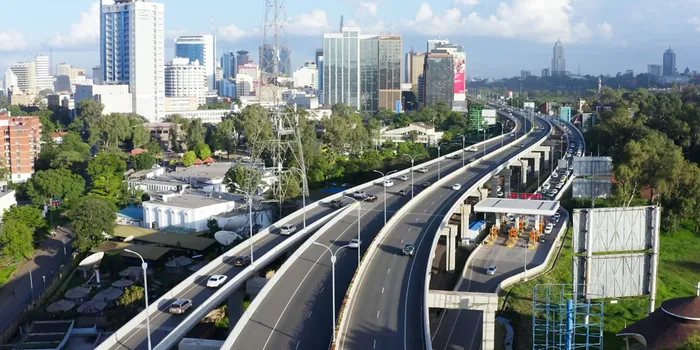
President William Ruto's chief economic adviser, David Ndii, has said the high cost of financing large infrastructure projects explains the Ksh5.1 billion loss reported by the operator of the Nairobi Expressway.
Ndii, who heads the Presidential Council of Economic Advisors, said in a statement on Saturday, November 21, that a large share of toll income collected during the first 10 to 15 years of such projects is used to repay the loans that funded their construction, according to Kenyans.co.ke.
Costs exceed revenue
His remarks follow figures showing that Moja Expressway Company recorded a net loss of Ksh5.1 billion for the year ended December 2025, even though it brought in Ksh9.63 billion in revenue.
The National Treasury's Fifth Annual Report on the State of Public-Private Partnerships (PPPs) shows that the company's direct costs for the period stood at Ksh14.73 billion, well above what it earned.
The numbers drew public scrutiny, with some Kenyans asking how running a relatively new 27-kilometre road could cost nearly Ksh15 billion in one year.
Among those raising the question was NTV journalist Eric Latiff, who asked on X whether routine tasks such as sweeping the road, powering its lights and staffing toll booths could add up to such a large bill.
Debt versus equity
In his response, Ndii said infrastructure projects are usually funded through a mix of investor capital and borrowed money, and that debt is the cheaper of the two.
He put the annual cost of borrowing at between 5 and 10 per cent, compared with 15 to 20 per cent for money raised from investors. As a result, he said, project developers aim to take on as much debt as the venture can support.
"The more debt it can carry, the lower the cost of capital," Ndii said.
He noted that such projects typically follow a structure of 30 per cent equity and 70 per cent debt.
According to the economist, the cash generated in the early years of operation is largely channelled towards clearing those loans, meaning shareholders must wait before they begin to see returns.
He argued that this is why long-term investors, such as pension funds, are well suited to backing infrastructure, since they can afford to wait 15 years or more for a payout.
About the expressway
The 27-kilometre Nairobi Expressway was built under a 30-year public-private partnership between the Kenya National Highways Authority (KeNHA) and Moja Expressway Company Limited.
The road opened to traffic in 2022. Motorists pay tolls that vary depending on where they enter and exit the elevated highway.
Under the terms of the concession, the facility will be handed over to the government once the 30-year period ends.
Ndii's explanation suggests that the reported loss reflects the project's financing structure rather than the day-to-day cost of maintaining and operating the road, although the Treasury report figures cited did not break down how the Ksh14.73 billion in direct costs was distributed.
This story was prepared by the Hamasta Newsdesk with AI assistance, based on reporting by Kenyans.co.ke. Read the original report. Photo: Kenyans.co.ke.



Know what people say about you.
Media monitoring, audience insights and strategic communication for your brand.


More in Business
See all
Citizen, Inooro and Ramogi TV YouTube Livestreams Now Behind Ksh350 Monthly Paywall
Ruto unveils second NYOTA intake with Ksh 50,000 grants for 200,000 youths
Winas, Kenya Police Sacco Top List of Kenya's Most Financially Stable DT-Saccos
PSSF assets jump 41.6pc to Sh343.8bn as civil servants get 17.99pc return
Completed Rironi-Naivasha Sections to Open Before Christmas, Transport Ministry Says

Global Community Remarks
0