
African traders turn to China's used smartphone markets as new phone prices rise
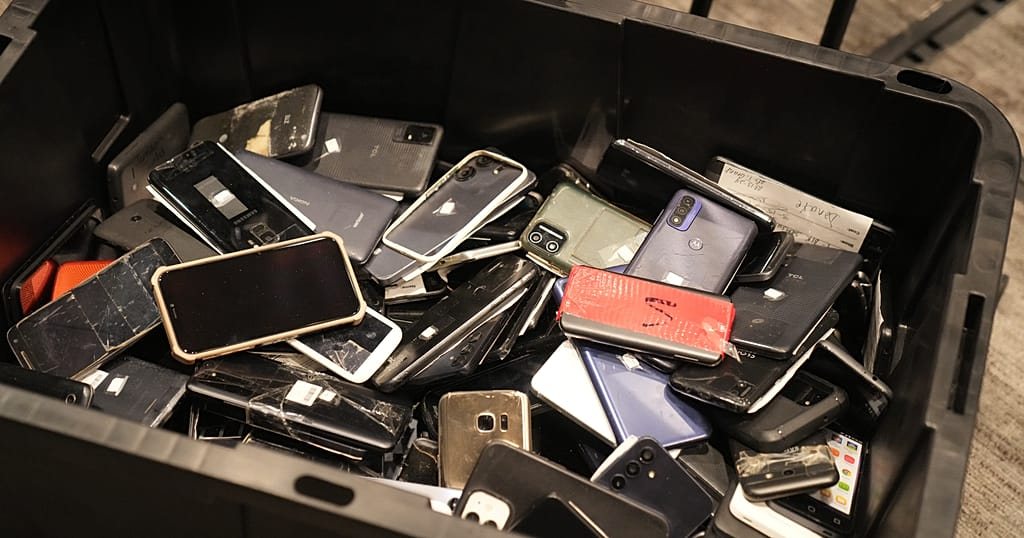
Traders from Africa and South Asia are travelling to southern China in growing numbers to buy second-hand smartphones in bulk, as chip shortages and rising prices put new handsets out of reach for many consumers in emerging markets, according to Africanews.
China, the world's biggest smartphone maker, discards more than 400 million devices a year. A large share of those phones is now finding buyers in markets such as Nigeria, Algeria, Pakistan and Bangladesh.
A growing global trade
Research firm Counterpoint Research says the worldwide market for used smartphones grew by 13 per cent year-on-year in the first half of 2026, reaching 150 million units.
Much of that trade passes through Shenzhen, where a busy electronics market draws foreign buyers who sort through piles of devices, many of them broken. Pakistani businessman Akhtar Muhammad told Africanews that damaged phones from across China end up there. He explained that his business buys new LCD screens and broken handsets in Shenzhen, then ships them home to Pakistan to be repaired.
A young Nigerian buyer identified as Mama said he had bought about 40 used phones in a single day. He told Africanews that phones cost more in Africa because the continent lacks large suppliers and markets of the kind found in Shenzhen. Shipping them home, he said, lets him make a profit.
Frequent trips from Algeria
Algerian shopkeeper Abdul Rahim said he flies to China as often as three times a month to restock his phone and accessories shop. He takes advantage of a price difference of between $110 and $132 on each device.
He said getting to China was simple for Algerians, adding that a visa is usually issued within two or three days of submitting papers.
A more formal marketplace
Close to the traditional Shenzhen market, a more organised model is gaining ground. PaiJiTang Mall, a self-service second-hand outlet operated by Chinese recycling firm ATRenew, displays more than 20,000 used phones.
Shoppers scan QR codes to get instant inspection reports and prices, test the handsets and buy in bulk. Store manager Zhang Xiaoming said the shop receives up to 1,000 visitors a day, with international traders accounting for roughly a third of them.
ATRenew's large processing centre in Dongguan, north of Shenzhen, takes in about 30,000 second-hand gadgets daily. More than 300 technicians inspect and pack the devices. Quality control manager Li Cankang said the centre ships out a similar number each day.
iPhones dominate
Apple devices make up between 70 and 80 per cent of ATRenew's sales, with Chinese brands accounting for the rest.
According to Counterpoint, older iPhone models such as the 11, 12 and 13 are losing out to cheap Android phones within China. Abroad, however, they still carry strong brand appeal, giving them a second life in markets where new iPhones remain expensive.
The trend points to a widening pipeline of refurbished and repaired devices flowing from China to developing economies, where demand for affordable smartphones continues to climb.
This story was prepared by the Hamasta Newsdesk with AI assistance, based on reporting by Africanews. Read the original report. Photo: Africanews.




Show the impact of your work.
Impact stories, campaign videos and community engagement for NGOs and programmes.

More in Business
See all
Easy Coach Sets New December Fares for Western Kenya and Nyanza Routes

Muhoozi Says Uganda Has Cancelled Ksh385bn SGR Deal, Raising Questions for Kenya

Vodafone lent Vodacom Sh68bn to buy its own Safaricom stake, filings show

Kenya among 15 countries in talks with new African credit rating agency

US judge approves Bayer's $7.25bn settlement over Roundup cancer claims

Global Community Remarks
0