
COP31 talks run into overtime as rows over fossil fuels and climate cash deepen
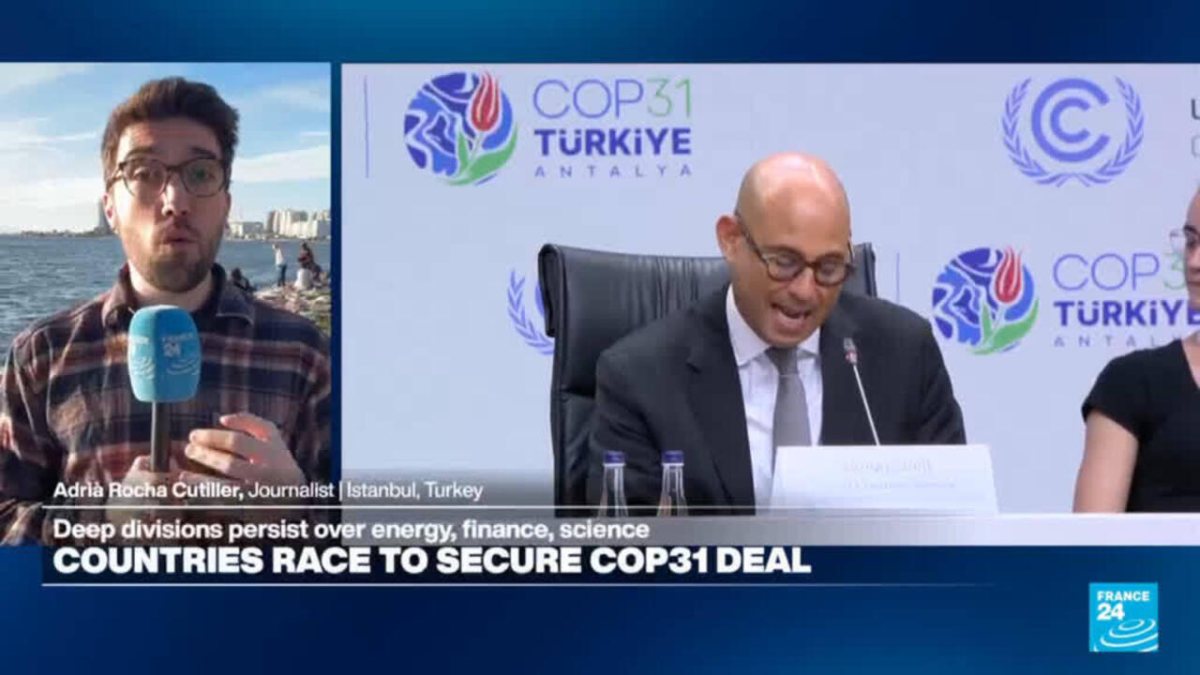
The COP31 climate talks in Turkey have gone past their scheduled close without a deal. Governments remain sharply divided over fossil fuels, climate finance and global warming targets, according to France 24.
Australia is now working against the clock to secure a revised agreement before delegates head home, the broadcaster reported.
Fossil fuels removed from draft
The main dispute centres on a revised draft text that removed every reference to fossil fuels. That change drew strong criticism from the European Union and about a dozen other countries. According to France 24, they are pressing for a clear commitment to phase out coal, oil and gas.
The omission matters because the language on fossil fuels has become one of the most closely watched parts of any UN climate agreement. Countries pushing for stronger action see a firm phase-out pledge as essential to keeping warming targets within reach.
Developing nations angered over finance
Finance is a second major source of tension. Developing nations have expressed anger at the removal of a $120 billion target for climate adaptation funding, France 24 reported.
Adaptation finance pays for measures that help communities cope with the effects of a warming planet. These include protection against floods, droughts and rising seas, rather than cutting emissions.
The issue is closely followed in Kenya and across Africa. The continent contributes a small share of global emissions but is highly exposed to climate shocks, including recurring droughts and floods. African negotiators have long argued that wealthy nations should provide more predictable support to help vulnerable countries adapt.
Splits over electrification, carbon capture and science
The disagreements extend beyond energy and money. Negotiators are also divided over three further issues:
- A proposed global target for electrification
- The role of carbon capture technology
- The future of UN climate science reports
Supporters of carbon capture present it as a way to reduce emissions from existing industry. Critics have often warned that it can be used to justify continued fossil fuel use. The source report did not say which countries took which positions on these questions.
The dispute over UN climate science reports is notable. These assessments are widely used to inform the targets and decisions agreed at the annual summits.
Race for a deal
With the talks in overtime, Australia is trying to bring the parties together around a revised text that can win consensus, according to France 24. UN climate agreements require all participating countries to accept the final wording. A single group of objectors can therefore hold up a deal.
It was not clear from the report when a new draft would be presented or how close negotiators were to bridging their differences.
The outcome will be closely watched by countries most at risk from climate change. For many developing nations, including those in East Africa, the size of adaptation funding and the strength of commitments on fossil fuels will determine how they judge the summit.
This story was prepared by the Hamasta Newsdesk with AI assistance, based on reporting by France 24. Read the original report. Photo: France 24.


Take your event live to thousands.
Multi-camera live streams, panel discussions and digital broadcasts with professional crews.




More in Environment
See all.jpeg)
Lewis Pugh swims 15km through Strait of Hormuz to spotlight war's damage to the sea

Seed quality will decide fate of Eastern Africa's tree restoration drive, experts warn
Kenya Met Forecasts Rain in Most Counties From Sunday, Uasin Gishu and Turkana Dry

NEMA Arrests Njiru Businessman in Nairobi Crackdown on Banned Plastic Bags

Kenya named in climate science row slowing talks at COP31 in Antalya

Global Community Remarks
0