
CAF adopts Kiswahili as official language alongside English, French, Arabic, Portuguese
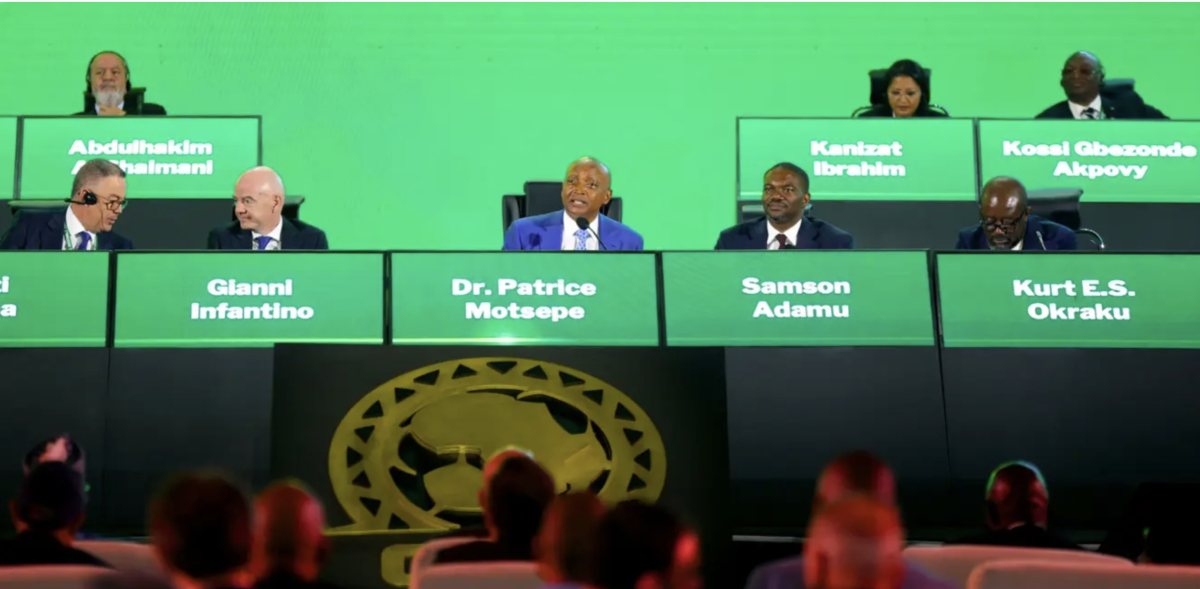
The Confederation of African Football (CAF) has adopted Kiswahili as one of its official languages, a move that gives the East African language formal standing in the running of the continent's game.
The decision was taken at CAF's 48th Ordinary General Assembly in Abuja, Nigeria, according to KBC.
Kiswahili now sits alongside French, English, Arabic and Portuguese as a language recognised under the CAF Statutes, the rules that govern how the confederation operates.
Recognising Africa's languages
According to KBC, the move reflects CAF's commitment to embracing the linguistic and cultural diversity of Africa. It is also intended to strengthen the place of African languages in football administration across the continent.
Until now, the official languages of African football's top body have mostly been those that arrived on the continent through colonial rule or trade, together with Arabic. Kiswahili is the first language of predominantly sub-Saharan origin to join the list.
For Kenya, the change carries particular weight. Kiswahili is a national language in both Kenya and Tanzania and is widely spoken across East and Central Africa. Kenya, Uganda and Tanzania are also set to co-host the 2027 Africa Cup of Nations.
Backing for Infantino
The Abuja meeting also turned to global football politics. CAF's 54 member associations and its Executive Committee reaffirmed their unanimous support for Gianni Infantino's bid to be re-elected as president of FIFA, KBC reported.
Infantino has led world football's governing body since February 2016. He is seeking another term at the 77th FIFA Congress, which is scheduled to take place in Rabat, Morocco, on 18 March 2027.
With 54 member associations, Africa forms one of the largest voting blocs within FIFA, making the continent's collective endorsement significant ahead of the election.
Who attended
According to KBC, the General Assembly brought together representatives of all 54 CAF member associations, members of the CAF Executive Committee and the confederation's vice-presidents.
Also present were CAF sponsors and partners, international football stakeholders and a number of African football legends.
What it means
The adoption of Kiswahili places the language within the formal structures of the body that organises the Africa Cup of Nations and other continental competitions.
CAF did not, according to the KBC report, set out details on how the change will be put into practice, such as which documents, communications or meetings will be offered in Kiswahili, or when that will begin.
The decision nonetheless marks a symbolic shift for a language that has steadily grown in regional and continental use, and comes as East Africa prepares to welcome the continent's biggest football tournament.
This story was prepared by the Hamasta Newsdesk with AI assistance, based on reporting by KBC. Read the original report. Photo: KBC.

Tell your story on screen.
Commercials, documentaries, interviews and social video, from script to final cut.





More in Sports
See all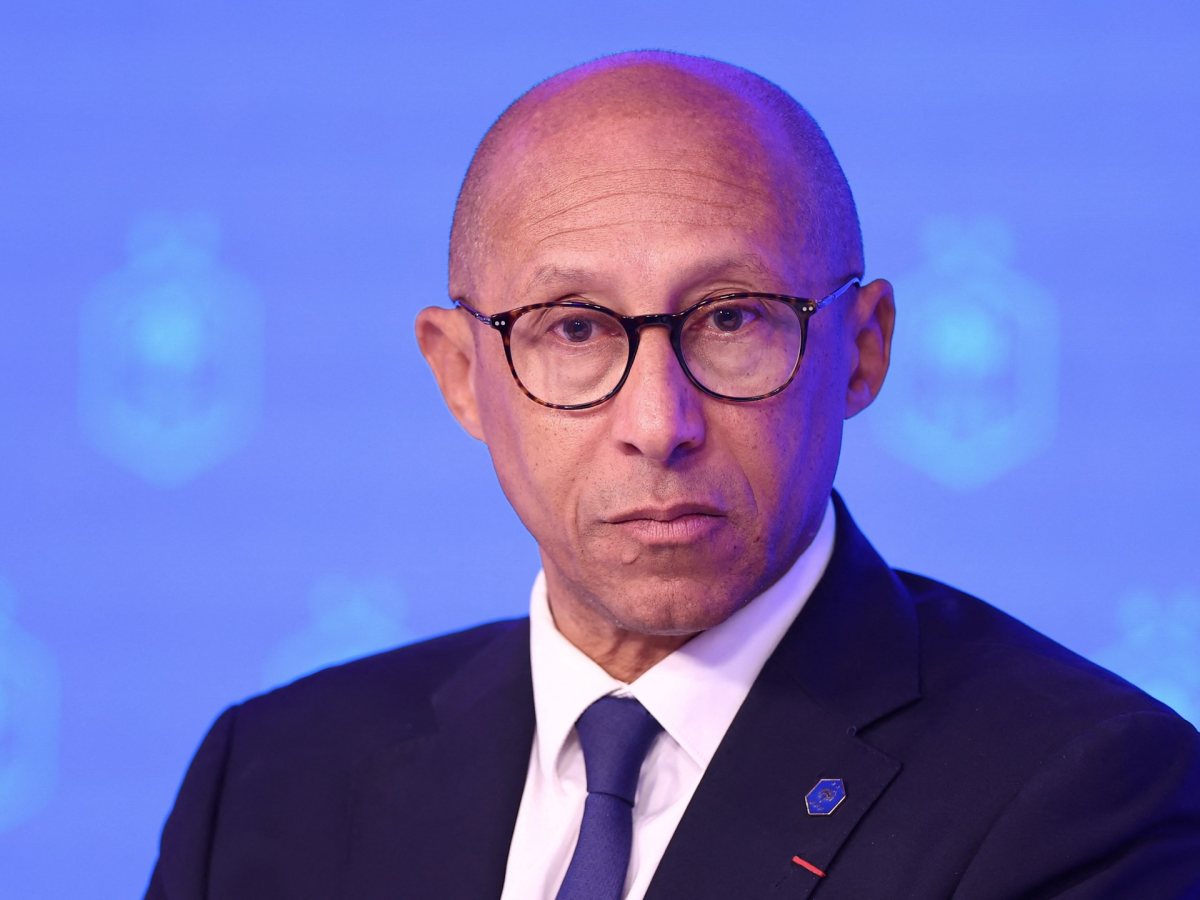
CAF backs Infantino's FIFA re-election bid as rival Diallo attends Abuja assembly
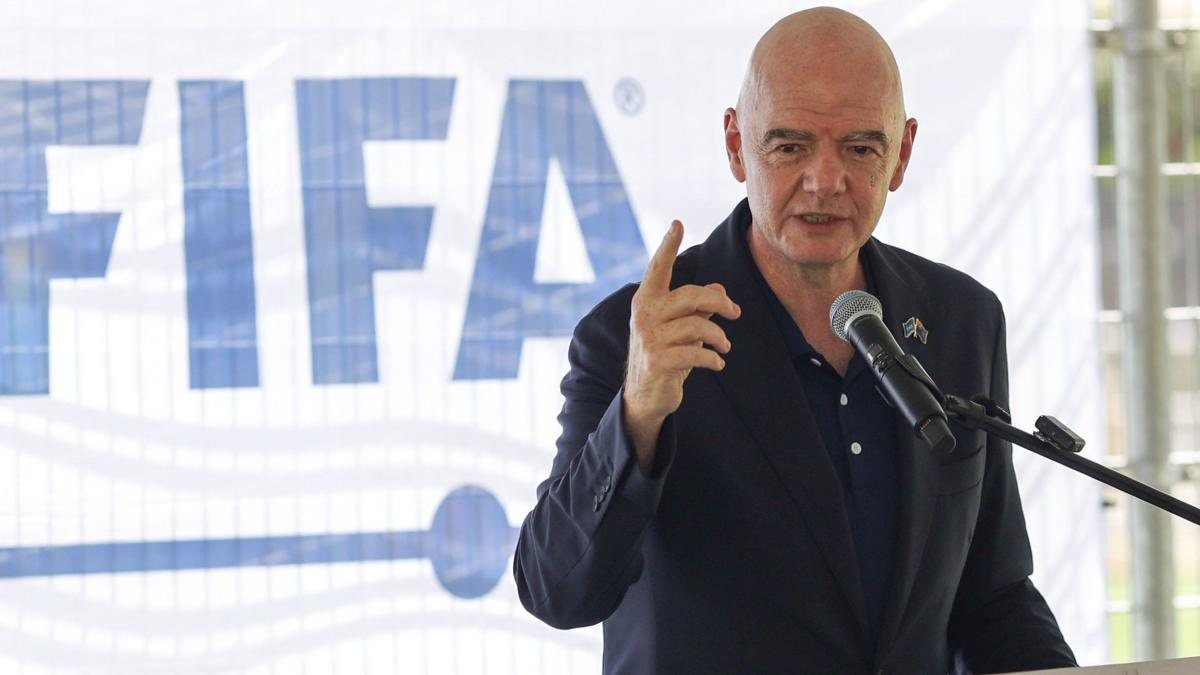
FA weighed legal challenge to Infantino's bid for fourth Fifa term but backed off
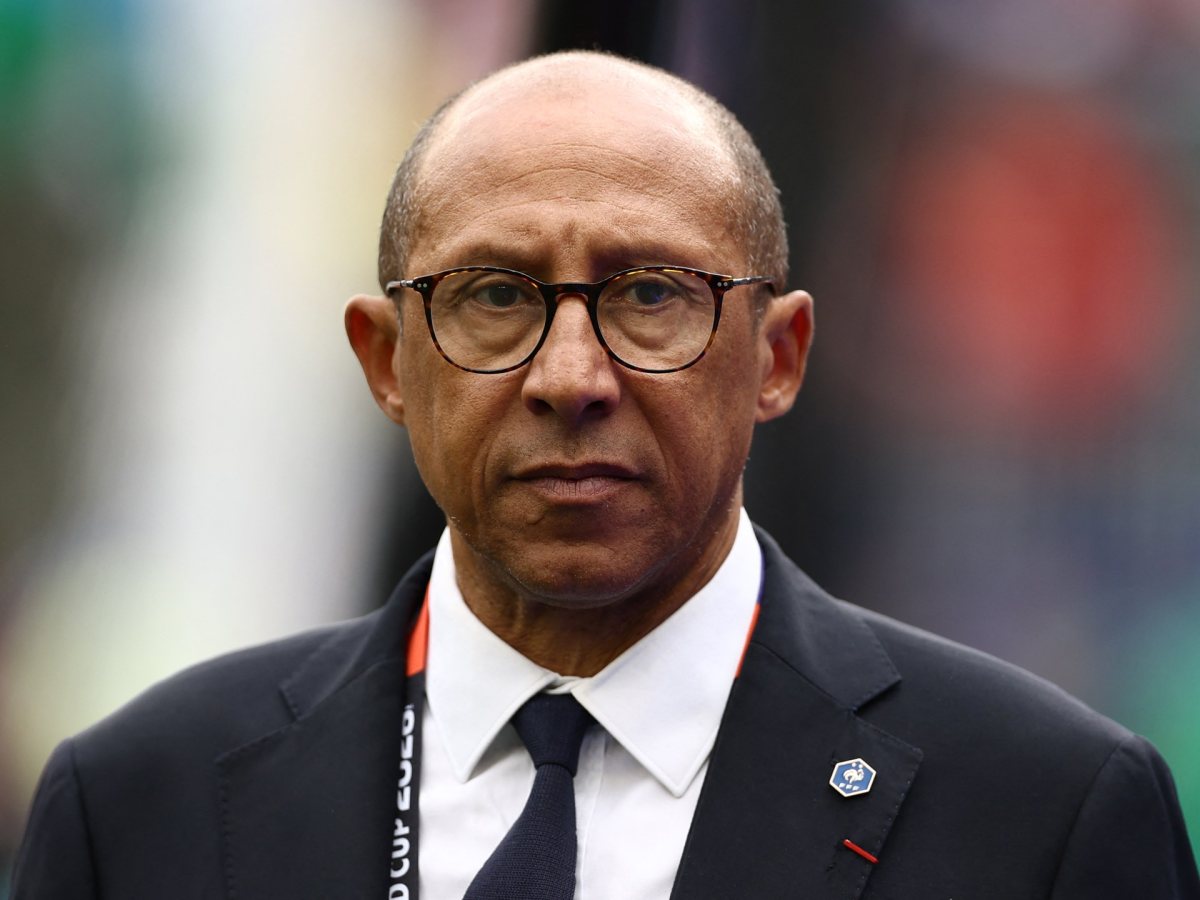
UEFA backs France's Philippe Diallo to take on Infantino for FIFA presidency
Diallo and Tashima confirmed as Infantino's rivals for 2027 FIFA presidency
Infantino, Diallo and Tashima in Three-Way Race for FIFA Presidency
Global Community Remarks
0